Thanks to Miroslav Kamenik for translating this letter from Milan Fabry to his godparents Pavel and Olga/Maminka Fabry, and for research assistance, narrowing down the date of this letter to “8-12/1948.” Milan is giving explicit instructions to Maminka to help “Sveto” escape Czechoslovakia, using the same route as General Frantisek Moravec – famous for his role in the assassination of Nazi architect Reinhard Heydrich in Prague. Another new discovery, with Miroslav’s help, is that “Sveto” is another name for Pavel – likely a code name!
Dear Godmother!
After a quarter of a week in bed – I had some kind of angina, which I treated with cibazol so badly that I ended up feeling sick from it – I return to my letter from Friday, to which I have not received an answer to today.
1/ On Sunday or Monday, a gentleman will arrive from Frankfurt to Switzerland, whom you will surely know at least from his story and by name. He is General Mirko Vesel. I will briefly describe his background, if you do not know him. He comes from the Vesel family in Zvolen. His father was a lawyer and chairman of the board of directors of the former Slovak National Bank /before Pauliny/. My mother used to stay with them, when she was still single, while she worked in the aforementioned bank in Zvolen. General Vesel is the one who, as a lieutenant colonel under the Slovak State, prepared the uprising and led it. Then he flew to London. From there he returned and for Czechoslovakia held the position of Chief of the General Staff of Artillery at the Ministry of National Defense in Prague. He has now been retired and fled here to Germany about four months ago. He is a 100 percent man, both in terms of his past and character, but also in terms of his performance and courage. A soldier-general in his place, who has his own organization and his own people. He has several urgent matters in Switzerland, but he promised me with certainty that he would get in touch with you to discuss the matter of the Sveto with you. I had to at least briefly describe to him what was going on and roughly make a deal with him. The matter would look something like this: The general’s agent would visit a trustworthy and close person to Sveto in Bratislava /I was thinking of Mária Vorlová – if you have someone better and more discreet, tell the general/. The agent would give this person a password from you /e.g. Sveto is referred to by Viera… or something else/ and ask that this intermediary person agree with Sveto when he would like to and could go /early evening/. Mária would give Sveto’s message to the agent, who would call Sveto at the appointed hour, put him in a car and drive him to a certain place near Morava (MK: river Morava). Near Morava, you have to walk about 150m on our side. There will be a person with a boat ready to take both of them to the other side. On the Austrian side, it is necessary to walk 1.5 km to a village and from there, by taxi with a fake kenkarta (MK: ID card), which the agent will have ready, he will get to Linz via Vienna. From Linz, it would then be very easy to go to the US zone in Germany and to Frankfurt, where he could wait with us until the necessary documents for Switzerland are processed. It would be necessary to instruct the godfather (MK: he talks about Sveto, but not sure about “krstný” as godfather of Milan) to take a passport with him, perhaps even an invalid one, or an old one from the former Czechoslovakia. The financial cost of the trip is 30,000 CZK to be paid in Bratislava to the agent for the maintenance of the organization, which otherwise has no funds, and 25,000 CZK to be paid to the ferryman across Moravia on the Austrian side.
2/ I do not consider the possibility that I described to you in Friday’s letter to be so certain – but still a good one. This would involve our Czechoslovak organization being affiliated with an American intelligence organization. The liaison between these organizations and the head of the Czechoslovakbranch is made by MP Dr. Michal Zibrín, a former Bratislava lawyer. This organization does not want to give a description of the route for reasons of its own security and revealing the route. They only guarantee that it is a route through Austria /Vienna/ to Linz and from there a transfer to Frankfurt. They further guarantee that they will take Sveto along the best route, which they reserve only for eminent persons. The following have so far traveled this route: General of the Intelligence Service Moravec and Zibrín’s wife with their children. This is a journey of about three hours on foot. They demand that a password be given to Sveto and that USD150 be paid in advance. The company is trustworthy and as far as payment is concerned, they agree that the money (one hundred and fifty dollars) should be deposited by Wednesday with Rudek in Switzerland, or Dr. Pal Glaser – also Rudek’s address with the indication that it is for Dr. Zibrin. By Friday morning (ten o’clock) there must be a telegram in Frankfurt to my address with the following text: I agree stop money deposited stop signature. Their people are leaving for Slovakia from Frankfurt on Friday and by then I would have to show them such a telegram.
Godmother, I did everything I could, it’s up to you to decide. It’s certainly hard to make a decision in such cases. You probably don’t have anyone there to consult with either, and I can understand how hard it must be for you to stifle everything inside yourself, unable to talk, when even the closest person is so far away. For my part, I advise you once again to seek out Rudek, who knows both people well, and to make a decision with him. However, I consider it my duty to warn you that if nothing is done, you can’t count on something coming by itself – you need to act. And decide – no matter how difficult it is.
Yesterday I received a package or voucher from you. Thank you very much for it, you don’t even know how good something better sometimes feels. Otherwise, life goes on as usual – we have enough work, if only there was as much bread! But we can’t complain because we still have a beautiful life as refugees.
Hand kisses Your Milan
P.S. I gave to general the phone number to Genéve 2-91-92. Please wait for his call.
With great respect to Army General Lev Prchala and to our grandfather Dr. Pavel Fabry – Czechoslovakian heroes, defenders of democratic freedom, symbols of resistance against nazis and fascists! These are the last letters between them, from 1960, with related documents included. Translations will be added later. Pavel died of a heart attack in Berlin on 19 December 1960, he was 69. Vlado took over the remaining legal work from his father, somehow finding time for it while also working for the UN in the Congo. Vlado’s letter to the General is sent from Hotel Le Royal, Leopoldville (now Kinshasa), 12 March 1961. It brings tears to my eyes how much love they had for their friends, the personal sacrifices they were willing to make for each other – my cup runs over in their memory.
Thanks to Miroslav Kamenik for transcribing and translating all the handwritten letters here!
17.5.60
Vážený pane doktore, drahý příteli,
byl bych Vám nesmírně vděčen, kdybyste mi alespoň několika slovy naznačil jak stojí záležitosti Vašich Londýnských klientů, resp. klientek, které mě svými dotazy stále bombardují.Také bych rád věděl, zda máte v úmyslu se se mnou v Německu viděti, poněvadž čas utíká a můj odlet do Mnichova se blíží. Počítám, že přiletím pravděpodobně 2 nebo 3 června a že se v Mnichově zdržím až týden. Pak bych Vám byl k dispozici a vše závisí z Vašich plánů, kdy a kde byste mě potřeboval.
Těším se na Vaši laskavou odpověď a jsem s ruky políbením milostivé paní a se srdečnými pozdravy
Váš oddaný
Prchala
Dear Doctor, my friend,
I would be extremely grateful if you could give me at least a few words about the state of cases of your London clients, who are constantly bombarding me with their inquiries. I would also like to know whether you intend to see me in Germany, as time is running out and my departure for Munich is approaching. I expect to arrive probably on the 2nd or 3rd of June and to stay in Munich for up to a week. Then I would be at your disposal, and it all depends on your plans, when and where you would need me.
I look forward to your kind reply and I am with a kiss on the hand of your wife and with warm regards
Faithfully your
Prchala
20.5.60
Velevážený pane doktore, drahý příteli,
dnes jsem obdržel letecký lístek London – Mnichov – London od Česko – Sud. Něm federálního výboru pro let dne 2. června 1960.
Poletím tedy ve čtvrtek dne 2. června do Mnichova a zdržím se tam asi týden. Zároveň jsem byl uvědoměn, že čestné pozvánky budou rozposlány v příštích dnech. Doufám, že pozvánku pro sebe a Vaši milostivou obdržíte co nejdříve.
A nyní mám k Vám, vzázcný příteli, jednu velikou prosbu. Abych zde měl pevný důkaz pro nutnost své jízdy do Německa, zašlete mně, prosím, telegram, v němž mě vyzýváte k schůzce v Německu. Dejž Bůh, aby taková schůzka se stala doopravdy možnou.
S ruky políbením velevážené milostivé paní a se srdečnými pozdravy jsem Váš oddaný,
Prchala
Dear Doctor, my friend,
today I received a London – Munich – London ticket from the Czech – SudetenGerman Federal Committee for the flight on June 2, 1960.
I will fly to Munich on Thursday, June 2, and will stay there for about a week. At the same time, I was informed that the honorary invitations will be sent out in the coming days. I hope that you will receive the invitation for yourself and your ladyship as soon as possible.
And now I have one great request for you, dear friend. So that I may have solid proof of the necessity of my journey to Germany, please send me a telegram in which you invite me to a meeting in Germany. God grant that such a meeting may actually become possible.
I am with a kiss on the hand of your wife and with warm regards
Faithfully your
Prchala
28.5.60
Velevážený pane doktore, drahý příteli,
dovolte, abych Vám srdečně poděkoval za telegram, který jsem právě obdržel. Telegrafoval jsem ihned do Mnichova, aby Vám zaslali čestnou pozvánku, o kterou jsem žádal již před několika týdny. Vysvětluji si tuto chybu jedině tím, že Ing. Simon je zavalen prací a pevně doufám, že tento faux pas okamžitě napraví.
Těším se velice na setkání s Vámi a Vaší milostivou paní, které uctivě líbám ruku.
Srdečně Vás zdraví
Váš oddaný
Prchala
P.S. Tatsachenbericht jsem odevzdal pí. S a pí. M. V Mnichově bydlím v hotelu „Esplanade“ naproti hl. nádraží.
Dear Doctor, my friend,
let me to thank you most cordially for the telegram I have just received. I immediately telegraphed to Munich to have the honorary invitation sent to you, which I had requested several weeks ago. I can only explain this mistake by saying that Ing. Simon is overwhelmed with work and I firmly hope that he will rectify this faux pas immediately.
I am very much looking forward to meeting you and your honorable wife, whose hand I respectfully kiss.
Yours sincerely
Prchala
P.S. I handed over the Tatsachenbericht to Mrs. S and Mrs. M. In Munich I live in the hotel “Esplanade” opposite the main station.
9.6.60, München, Hotel Esplanade
Velevážený pane doktore, drahý příteli,
srdečně děkuji za zavolání z Kolína a ze Ženevy. Zítra odjíždím k sestře do Rieneck bei Gemünden / M a tam budu čekat na další Váš rozkaz. Dovolíte-li, pak navrhuji, abychom jeli přímo do Bonnu kde příští týden zasedá Bundestag a ušetřili si zastávku ve Frankfurtu. Souhlasíte-li s tímto mým návrhem, pak očekávám v Rienecku Váš telegr. vzkaz.
Milostivé paní ruku líbám,
Vás, drahý příteli, srdečně zdravím.
Váš oddaný
Prchala
Dear Doctor, my friend,
thank you very much for your call from Cologne and Geneva. Tomorrow I am leaving for my sister in Rieneck bei Gemünden / M and there I will await your further orders. If you allow me, I suggest that we go directly to Bonn where the Bundestag is in session next week and save ourselves a stopover in Frankfurt. If you agree with this proposal of mine, I am expecting your telegram in Rieneck.
Kind kisses to your honorable wife’s hand,
I greet you warmly, my dear friend.
Yours faithfully
Prchala
17.6.60
Velevážený pane doktore, drahý příteli,
srdečné díky za Vaše telegramy z Berlna, z Kolína a z Frankfurtu a též za Váš ctěný dopis „expres“. Mám silné podezření, že jste můj dopis z Mnichova adresovaný Vám do Ženevy neobdržel a že zde vzniklo nedorozumění, jež z Vašeho telegramu z Frankfurtu vysvitá.
Domluvili jsme se sice telefonicky za mého pobytu v Mnichově, že se sejdeme ve Frankfurtu, ale pak jsem Vám poslal dopis, v němž navrhuji schůzku přímo v Bonnu, a to během tohoto týdne. Zapomněl jsem bohužel, že v tomto týdnu jsou 2 svátky, a to 16 a 17 a 18 je sobota a v Bonnu se neúřaduje.
Prosím Vás proto za prominutí a dovoluji si Vám navrhnouti, abychom se sešli v pondělí dne 20. t.m. večer v Bonnu v Bergischer Hof a nebo 21. t.m. ráno tamtéž.
Zaslal jsem Vám dnes telegr. zprávu a návrh a prosím o Vaše laskavé tel. rozhodnutí. Chci z Rienecku odjeti v poledne dne 20. t.m. Doufám, že bonnský parlament bude příští týden zasedat a těším se na shledání s Vámi.
Milostivé uctivě ruku líbá
Vás srdečně zdraví
Váš oddaný
Prchala
Dear Doctor, my friend,
Heartfelt thanks for your telegrams from Berlin, Cologne and Frankfurt and also for your esteemed “express” letter. I strongly suspect that you did not receive my letter from Munich addressed to you in Geneva and that there was a misunderstanding here, which will become clear from your telegram from Frankfurt.
We agreed by telephone during my stay in Munich that we would meet in Frankfurt, but then I sent you a letter in which I propose a meeting directly in Bonn, during this week. Unfortunately, I forgot that there are 2 holidays this week, namely the 16th and 17th and the 18th are Saturdays and there are no offices in Bonn.
Therefore, I beg your pardon and allow me to suggest that we meet on Monday, the 20th, in the evening in Bonn at the Bergischer Hof or on the 21st, in the morning there.
I sent you a telegram today. report and proposal and I ask for your kind decision. I want to leave Rieneck at noon on the 20th. I hope that the Bonn parliament will be in session next week and I look forward to seeing you.
Kind kisses to your honorable wife’s hand,
I greet you warmly, my dear friend.
Yours faithfully
Prchala
3.7.60 (Rieneck)
Velevážený pane doktore, drahý příteli,
sedím stále v Rienecku a čekám na Vaše zavolání. Mám zde již dlouhou chvíli a rád bych se již zas vrátil do Londýna, kde mě žena netrpělivě očekává. Píše mi zoufalé dopisy, poněvadž je nemocná a potřebuje důkladné lékařské vyšetření a léčení, které je v Londýně dosti drahé, když se tomu podrobujete u privátního lékaře a ne na health service, které je zdlouhavé a dosti povrchní. Chudinka nechápe, že zde nelze věci uspíšit více než to děláme a že je třeba míti velikou trpělivost. Doufám, že jste v Kolíně dobře pořídil a že i s našimi záležitostmi se dostaneme o krok dále a to dříve než pánové půjdou opět na svou dovolenou. Očekávám toužebně Vaši laskavou odpověď a jsem s ruky políbením milostivé paní, mému strážnému anděli, a se srdečnými pozdravy Vám, velevážený,
Váš oddaný
Prchala
Dear Doctor, my friend,
I am still sitting in Rieneck and waiting for your call. I have been here for a long time and I would like to return to London, where my wife is impatiently waiting for me. She writes me desperate letters because she is ill and needs a thorough medical examination and treatment, which is quite expensive in London if you undergo it with a private doctor and not with the health service, which is lengthy and rather superficial. My poor wife does not understand that things cannot be rushed here any more than we do and that great patience is needed. I hope that you have made good arrangements in Cologne and that we will also get a step further with our affairs before the gentlemen go on their vacation again. I eagerly await your kind answer, kind kisses to your honorable wife’s hand, my guardian angel,
I greet you warmly, my dear friend.
Yours faithfully
Prchala
8.7.60
Velevážený pane doktore, drahý příteli,
srdečný dík za Váš ctěný list z Baselu z 6. t.m. s přílohami. Včera jsem Vám odeslal dopis do Ženevy s odůvodněním, proč z Rienecku musím začátkem příštího týdne vypadnout (?) a navrhl jsem schůzku v Bonnu 11 nebo 12 t.m. večer. Domnívám se, že když 12 vyjedu, mohu 13 vyřídit svou věc u min. Seebohma a 14 je již beztak konec týdne, takže schůzka 13 večer s Vámi by byla podle mého skromného názoru nejvhodnějším dnem. Račte mi, prosím, ještě telegr. potvrdit, zda Vám 13 večer vyhovuje a já se podle toho zařídím. Milostivé paní uctivě ruku líbá,
Vás, drahý příteli, srdečně zdraví
Váš oddaný
Prchala
Dear Doctor, my friend,
heartfelt thanks for your esteemed letter from Basel of the 6th with attachments. Yesterday I sent you a letter to Geneva with the justification why I have to leave Rieneck at the beginning of next week (?) and I proposed a meeting in Bonn on the 11th or 12th in the evening. I believe that if I leave on the 12th, I can take care of my business with Minister Seebohm on the 13th and the 14th is already the end of the week anyway, so a meeting with you on the 13th evening would be, in my humble opinion, the most suitable day. Please confirm by telegram whether the 13th evening suits you and I will make arrangements accordingly.
Kind kisses to your honorable wife’s hand,
I greet you warmly, my dear friend.
Yours faithfully
Prchala
2.8.60
Velevážený pane doktore, drahý příteli,
potvrzuji s díky Váš ctěný dopis z 23.7.60 a sice teprve dnes, poněvadž jsem čekal, že se Kolín ozve. Bohužel se tak dosud nestalo. Mezitím jsem obdržel dopis od p. ministra Seebohma, jenž mi sděluje, že i jemu bylo A Amtem potvrzeno, že stanovisko AA bylo příznivé a odesláno Regierungspräsidentovi v Kolíně. Po obdržení této odpovědi A-amt spojil se ministr S. S panem Dr. Mirgelerem a žádal jej, aby moje věc byla uspíšena. M. mu to slíbil, ale podotkl, že Kolín se mne ještě jednou dotáže a požádá potvrzení, cituji: „der Staatenhorigkeit, die früher als 1956 vorhanden sein müsste, aber danach mit einer boldigen Entscheidung gerechnet werden könne“. Teď ale už tomu vůbec nerozumím. Vždyť v mé žádosti o rentu podle § 1 BEG výslovně stojí, kdo jsem a co jsem a také to že jsem od roku 1939 staatenlos.
Zlé je, že se jedná byrokratům v Kolíně o nový (???) mé záležitosti a proto Vás snažně prosím, abyste v Kolíně znovu intervenoval, třeba jen telefonicky. Podotýkám, že i na tento dotaz z Kolína dosud čekám. Jakmile se dozvíte, v čem dělo?, pak mi, prosím, ihned napište. Také Vás velmi prosím o sdělení, jak jste dopadl v Berlíně. Já osobně bych Vás s touto žádostí neobtěžoval, ale mí londýnští přátelé mě stále bombardují svými dotazy a moje žena stojí před úplným duševním zhroucením.
Milostivé paní ruku líbá, Vás srdečně zdraví
Váš oddaný
Prchala
Dear Doctor, my friend,
I confirm with thanks your esteemed letter of 23.7.60, replying today, because I was expecting Cologne to respond. Unfortunately, this has not happened yet. In the meantime, I have received a letter from Mr. Minister Seebohm, who informs me that he too was confirmed by the A-Amt that the AA’s opinion was favorable and sent to the Regierungspräsident in Cologne. After receiving this reply from the A-Amt, Minister S. contacted Dr. Mirgeler and asked him to expedite my case. M. promised him this, but pointed out that Cologne would ask me again and ask for confirmation, I quote: “der Staatenhorigkeit, die früher als 1956 vorhanden sein müsste, aber danach mit einer boldigen Entscheidung gerechnet werden könne”. But now I don’t understand it at all. After all, my application for a pension according to § 1 BEG explicitly states who I am and what I am and also that I have been stateless since 1939.
The bad thing is that this is a new (???) of my affairs for the bureaucrats in Cologne and therefore I strongly ask you to intervene again in Cologne, even if only by phone. I would like to point out that I am still waiting for this inquiry from Cologne. As soon as you find out what happened, please write to me immediately. I also ask you to tell me how you ended up in Berlin. I personally would not bother you with this request, but my London friends are constantly bombarding me with their questions and my wife is on the verge of a complete mental breakdown.
Kind kisses to your honorable wife’s hand,
I greet you warmly, my dear friend.
Yours faithfully
Prchala
26.8.60
Velevážený pane doktore, drahý příteli,
přijměte, prosím, můj srdečný dík za Váš dopis z 24.8.60 s přílohami. Upřímně lituji jménem svým jakož i jménem všech Vašich londýnských klientů, že Vám způsobujeme tolik starostí a škodíme Vašemu zdraví.
Dej Bože, abyste se co nejdříve zbavil těchto starostí o návrat a měl konečně trochu času pro léčení svého tak cenného zdraví.
Dr.Höniger obdržel přípis Regierungspräsidenta teprve 8.8.60 a ihned mi jej zaslal. Zařídil jsem okamžitě vše potřebné a včera dne 25.8. jsem již poslal Hönigerovi potvrzení Home Office, že jsem byl Flüchtling (ode) dne 1.10.53 ve smyslu Ženevské konvence z roku 51 a že moje residence je ve Velké Británii. Byl jsem také na zdejším německém velvyslanectví kvůli lékařské prohlídce. Ale tam mi bylo řečeno, že Köln musí znovu o ní požádat a to jsem také sdělil Hönigerovi s prosbou, aby Köln o tom ihned vyrozuměl. Vrátil jsem mu také přípis Regierungspräsidenta, který měl číslo: 14.II.-6-673-674 28.8.60. Napíšu mu ihned, aby Vám tento přípis poslal do Ženevy.
Přílohy pro paní Locherovou a paní Malíkovou jim co nejdříve odevzdám a s Dr. Paulínym si smluvím schůzku.
Ještě jednou Vám, drahý příteli, srdečně děkuji a vyprošuji si ruky políbení Vaší vzácné manželce.
Se srdečným pozdavem
jsem Váš oddaný
Prchala
Dear Doctor, my friend
please accept my heartfelt thanks for your letter of 24.8.60 with the enclosures. I sincerely regret, on my own behalf and on behalf of all your London clients, that we are causing you so much trouble and harming your health.
May God grant that you may be rid of these worries about returning as soon as possible and finally have some time to treat your precious health.
Dr. Höniger received the Regierungspräsident’s letter only on 8.8.60 and sent it to me immediately. I immediately arranged everything necessary and yesterday, 25.8. I already sent Höniger a confirmation from the Home Office that I was a Flüchtling (from) on 1.10.53 within the meaning of the Geneva Convention of 51 and that my residence is in Great Britain. I also went to the German embassy here for a medical examination. But I was told there that Cologne had to apply for it again and I also told Höniger about this, asking that Cologne understand this immediately. I also returned to him the letter from the Regierungspräsident, which had the number: 14.II.-6-673-674 28.8.60. I will write to him immediately to send this letter to you in Geneva.
I will hand over the enclosures for Mrs. Locherová and Mrs. Malíková to them as soon as possible and I will arrange a meeting with Dr. Paulíny.
Once again, my dear friend, I thank you heartily and with a hand kiss to your honorable wife
Yours faithfully
Prchala
16.9.60
Velevážený pane doktore, drahý příteli,
mám za to, že jste již opět v Ženevě a doufám, že Vás svým dopisem neobtěžuji. Doufám také, že jste si po tak namáhavé práci alespoň trochu odpočinul a že zdravotně se cítíte nyní lépe.
O obsahu Vašeho telegramu a dopisu nás již podrobně informoval přítel Dr. A a nezbývá než Vás obdivovat a Vám za Vaši obětavou práci mnohokráte děkovat. Zdá se, že to teď již dlouho trvat nebude a že vbrzku dojednáte věci definitivně.
Mě osobně velmi znepokojuje mlčení Kolína. Nedostal jsem dosud ani „Erklärung“, který jsem měl podepsat, ani povolání k lékařské prohlídce. Höniger sice slíbil, že po své dovolené, která končila 6.9., zajede do Kolína a o mé věci osobně pohovoří s Reg. Presidentem, ale dosud jsem bez zprávy jak z Kolína tak od Hönigera. A proto Vás prosím, abyste Vy se na to ještě jednou podíval, a to proto, poněvad6 Vám věří a vím, že bez Vaší intervence se nic nevyřídí.
Milostivé paní uctivě ruku líbám, Vás, drahý příteli, srdečně zdravím
a jsem Váš oddaný
Prchala
Dear Doctor, my friend,
I believe you are back in Geneva and I hope I am not bothering you with my letter. I also hope that you have at least rested a little after such strenuous work and that you are now feeling better in health.
We have already been informed in detail about the content of your telegram and letter by our friend Dr. A and there is nothing left but to admire you and thank you many times for your dedicated work. It seems that it will not be long now and that you will soon arrange things definitively.
I am personally very concerned about the silence of Cologne. I have not yet received either the “Erklalung” that I was supposed to sign or the summons for a medical examination. Honiger promised that after his vacation, which ended on September 6, he would go to Cologne and personally discuss my case with the Prime Minister, but I have still not heard from either Cologne or Honiger. And that’s why I’m asking you to take another look at it, because I trust you and I know that nothing will be resolved without your intervention.
Kind kisses to your honorable wife’s hand,
I greet you warmly, my dear friend.
Yours faithfully
Prchala
22.3.61
Vysoce vážená milostivá paní,
promiňte, když na Váš milý dopis ze 7. t.m. odpovídám teprve dnes, ale byl jsem v Německu a vrátil jsem se teprve koncem minulého týdne. Byl jsem v Bonnu, ve Stuttgartu a Mnichově a všude mě doprovázely vzpomínky na milovaného přítele Dr. Fábryho, jenž padl ve službě pro své blízké. Jen jeho genialitě a krajní obětavosti máme co děkovat, že byly dosažena výsledky, o nichž se nikomu z nás, jeho klientů, ani nesnilo. Ale co pak znamenají všechny poklady tohoto světa, které vždy možno nahradit, oproti ztrátě milovaného manžela, otce a přítele?
Stále ještě se nemohu smířit s jeho odchodem a mrzí mne, že jsem mu nemohl osobně poděkovat za jeho vzácnoua opravdu přátelskou službu, kterou prokázal mi a mé rodině.
V sobotu dne 20. t.m. obdržel jsem dopis od pana Dr. Vladimíra z Conga. Upřímně ho lituji a doufám, že se vrátí zdráv a co nejdříve z tohoto afrického pekla. Potvrzuje mi to, co mi před týdnem vyřídila telefonicky Vaše milostivá slečna dcera a paní Tágová, od níž jsem dostal dopis po svém příjezdu z Německa. Doufám, že koncem května budu opět v Bonnu a pak si dovolím zaslat Vám, milostivá, zbytek svého dluhu z druhé částky náhrady, která, jak předpokládám, bude do té doby už určitě v mé bance v Bonnu.
V červnu pak chci opět na léčení do Bad Kissingen. Žena tam chce také, ale teprve v srpnu, poněvadž někdo z nás zde musí zůstat. Takový je předpisCzech Trust Fundu, v jehož domě chceme bydlet i nadále. Do Ženevy se podívám až budu míti britský pas, což bude někdy na podzim.
Srdečně Vás, milostivá paní, oba zdravíme, já uctivě ruku líbám a jsem
Váš oddaný
Prchala
Dear Madam,
I apologize for only replying to your kind letter of the 7th, but I was in Germany and only returned at the end of last week. I was in Bonn, Stuttgart and Munich and everywhere I was accompanied by memories of my beloved friend Dr. Fábry, who fell in the service of his loved ones. It is only to his genius and extreme dedication that we have something to thank for that results were achieved that none of us, his clients, could even dream of. But what are all the treasures of this world, which can always be replaced, compared to the loss of a beloved husband, father and friend?
I still cannot come to terms with his passing and I regret that I was not able to thank him personally for his precious and truly friendly service that he rendered to me and my family.
On Saturday, the 20th, I received a letter from Dr. Vladimír from Congo. I sincerely feel sorry for him and hope that he will return safely and as soon as possible from this African hell. I am confirmed by what your gracious daughter and Mrs. Tágová told me by telephone a week ago, from whom I received a letter after my arrival from Germany. I hope that I will be in Bonn again at the end of May and then I will take the liberty of sending you, my lady, the rest of my debt from the second amount of compensation, which, as I assume, will certainly be in my bank in Bonn by then.
In June I want to go to Bad Kissingen again for treatment. My wife also wants to go there, but not until August, because one of us has to stay here. This is the regulation of the Czech Trust Fund, in whose house we want to continue living. I will travel to Geneva when I have a British passport, which will be sometime in the autumn.
We both warmly greet you, dear Madam, I respectfully kiss your hand and I am
Yours faithfully
Prchala
From Gen. Lev Prchala to Vladimir Fabry, 22 March 1961:
22.3.61
Dear Doctor,
Thank you very much for your esteemed letter of 12.3.61, which I received only on the 20th of this month, just after sending my letter to Mrs. Tagova. She sent me the letter on 7.3.61, while I was in Germany, and asked me only for a short statement that I agreed with the expert’s estimate of 6,425DM. I sent this to her immediately after my return, i.e. on the 20th of this month, with my notarized signature. She did not ask for a power of attorney from me, because she hopes that it will be possible to do without a “Vergleich”. I also promised her a special reward for the work connected with this case, which I will pay her as soon as I am back in Germany at the end of May.
I hope that you will also return soon from this African hell and that we will see each other either here in London or in Germany. Just in case, I would ask you to kindly tell me how much I still owe you, so that I can transfer the money to your gracious mother from my account in Bonn, where I will be during the Whitsun holidays. By then, another order from Berlin will probably be there and I will be given the opportunity to pay my debt.
Excuse me if I do not ask you how you are doing in Congo, because I can imagine what you are going through there.
I wish you much success and good health and send you my warmest regards
Yours faithfully
Prchala
From Prchala to Madam Olga Fabry-Palka, 23 February 1961:
Bonn, Hotel Krone. 23.2.61
Dear Madam,
I am in Bonn. I could be happy, but the memories of my dear friend, Dr. Fabry, do not leave me and sadness returns to my heart.
Thank you very much for your telegram, which I received in London before my departure. Without your kind permission, I took the liberty of sending to your address a small sum as a contribution to the monument to a dear and esteemed friend. I hope you will forgive me and with a hand kiss I am
Happy birthday to Czechoslovak politician and Army General Lev Prchala, born on 23 March 1892! He sent this handwritten letter and his Curriculum Vitae to Pavel Fabry in 1956 from London, where he was living in exile. I have included the typewritten response from Pavel confirming that he will represent General Prchala for “Compensation for Persecution”.
*Update 14 May 2025: This post has been moved to the top of the page, the previous post was deleted. My sincere appreciation to Miroslav Kamenik, who kindly sent me his translation of Gen. Prchala’s letter and C.V., which I have transcribed here – thank you!
“11 Oct 1956 Dear Doctor, First of all, let me kindly thank you for your warm greetings forwarded to me by our friend Dr. Pauliny-Toth. He also stated you were ready to take care about my case by West-German offices. As you know, it is about a compensation for losses suffered in my property, service pension [MK – soldier], health of myself and my wife and possible some kind of pension. Attached is my CV as well, let me kindly ask you about the estimated costs related with my case. My personal circumstances are not such that I could send you the usual fee and advance payment for expenses. Of course, I am ready to cover your fee and all costs when the result of my case will be positive [MK – i.e. from future profit]. Awaiting your kind reply, Yours faithfully, Prchala”
“C.V.
*23 March 1892 [born] in Polska Ostrava, Frydek area, Silesia [MK – Empire of Austria-Hungary]
Roman Catholic, married with Lucie Seebode *9 August 1901 Kuokkala Finland, resident in St. Petersburg (Russia), evangelical
Children – son Ladislav Vladimir *5 Feb 1920 in Batarejnaja, Siberia (Russia), now resident in Buenos Aires, Argentina; daughter Lucie Marie *29 July 1921, died 9 Oct 1936 in Kosice [MK – Slovakia today]
Education – Gymnazium [MK – classic high school] with exam; 4 semesters of Law in Vienna; Military school in Paris 1921-23
April 1914 – activated in Inf. Regiment 13 in Krakow [MK – Cracovia, Poland today], sergeant.
August 1914 till June 1916 in the field/ eastern front of WWI
Since June 1916 in Russian captivity, in rank of lieutenant
June 1917 till August 1920 in Czechoslovak legion in Russia (or Siberia), then returned to newly established Czechoslovakia in rank of Colonel, as the commander of the III. Czechoslovak division in Russia [MK – in charge of retreating battles, towards to Vladivostok]
Autumn 1923 till autumn 1925 commander of the 1st mountain brigade in Ruzomberok [MK – Slovakia today], since autumn 1924 in rank of Brigade General
1925 till 1931 Commander of the XII. Inf. Division in Uzhorad [MK – or Uzhhorod, in Ruthenia/Subcarpathian Ukraine/Russia in Czechoslovak times, now part of Ukraine], since 1927 in rank of Division General
Autumn 1931 till autumn 1933 Deputy Chief of Staff in Prague
Nov 1933 till 1938 Army Commander in Kosice [MK – Provincial/Land’s military commander in Slovakia +Ruthenia], since January 1935 in rank of Army General [MK – highest rank]
September 1938 Commander of IV. Army in Brno in time of Munich [MK – expected attack from 3rd Reich, Prchala in the area of most expected fights]
Since 5 October 1938 till till 19 January 1939 Commander of Army in Slovakia
19 Jan 1939 appointed minister of the II. Czechoslovak Republic for Subcarpathia [MK – 1 of 3 ministers of this part of CZ]
16 March 1939, after 15th when Czechoslovakia had been occupied by Germans, Lev Prchala turns back to Prague to newly established so-called Protektorat Bohmen und Mahren and has been forced into retirement. It is prohibited to leave the Protektorat, possible only with special approval by German Military office.
25 May 1939 fled secretly to Poland, with wife and son, where he organized the Czechoslovak Legion for the fight against Hitler.
17 September 1939 arrested by Soviets in eatern Galicia [MK – most probably Zalishchyky in todays Ukraine, history was not very kind in/to this area…], then released and passed to Romania.
27 October 1939 till June 1940 in France, in June fled to England – since 26 June 1940 in UK, living in London [MK – next words not fully legible, probably meaning “stateless, on state support”, this corresponds with the date of Prchala’s naturalization officially done by UK in 1961]
Army general had to escape from Protektorat in May 1939 in order to avoid capture/avoid death by execution, because he was the only General of Czechoslovak army strongly against the capitulation to Hitler, well known to the people of Czech lands, and Gestapo as well. Many personal damages and harm are connected to the escape. He left all his belongings which he had acquired and saved in 20 years, and was exposed to persecution and harassment by the Czechoslovak capitulators like Dr. Benes and his followers, even in friendly foreign countries. The result is not only material but also in the matter of the failing health, including his wife. She had to pass two operations and suffers nervous disease [MK-?], he suffers from angina pectoris.
Material losses: Four room flat + kitchen + office equipment: furniture, carpets, clothes, silver, porcelain, glass incl. Crystal glass, piano, paintings, books, 6 Persian carpets – 150,000Kc [MK – Czechoslovak Crowns in 1938 prices] and 40,000Kc in shares and cash.
Losses due to the forced retirement between May 1939 and May 1945 about 600,000Kc [MK – other potential losses unknown, not legible]
Real photo postcard from Dr. Ivan Krno, 22 Feb. 1935, sent from Wengen, Switzerland, to “Mr. and Mrs. Dr. Pavel Fabry, advokat, Bratislava, Hafnerova, Czechoslovakia”. Ivan Krno stands at center, with his wife and three sons. Translation of letter from Dr. Ivan Krno in New York to Dr. Pavel Fabry in Geneva, certified in Geneva on 12 May 1958. Ivan lived in exile from 1948 until his death in 1961.
“New York, 7 May 1958
Dear Friend,
In accordance with your request, I confirm that you have always financially helped my mother, Mrs. Emilia Krno nee Fajnor, when communications between her and me was interrupted. You supported her until her death. Due to my severe nervous illness from which I suffered as a result of Nazi persecution, I only learned of her death a few weeks after her funeral.
You took care of her as a loyal friend and as godfather to my sons.
Vlado with his “Maminka” Olga Fabry, Geneva, circa 1948, after she had fled Czechoslovakia.Letter from World’s YWCA Associate General Secretary Jacq van Stoetwegen, confirming the testimony of Olga Fabry.
“To Whom It May Concern
This is to certify that Mrs. Olga Fabry, of Bratislava, Haffnerweg 4, who is at present a refugee in Geneva, was formerly President of the Y.W.C.A. in Bratislava, Slovakia. Before and during the war, she carried faithfully and efficiently this important office in the Y.W.C.A. in Czechoslovakia. During the German occupation and Nazi domination, she was threatened and was sent away from Bratislava. In spite of protests made by Mrs. Fabry and others, no educational activities were permitted in the Y.W.C.A after the occupation, and although certain other services continued for a short time, the buildings were then confiscated, and the Association dissolved by the Nazis.”
I have received some mysterious emails over the years, but none as mysterious as this one, sent November 26th. I have not included the photos that were attached in the message from Mrs. Anna Hrabovska, a Slovak diplomat working at the Slovak Permanent Mission to the UN in Geneva, but, if they are legitimate, it shows that the Fabry family grave has been removed and replaced with two very plain crosses made of wood – I don’t know who those crosses are for, but where are our relatives? Victor and I visited the grave in 2009, and 2013 was the last time I visited (I posted the above photo here in 2013). The grave was in Cimetiere du Petit-Saconnex.
This document for Pavel Fabry, and the document below, confirms that the Fabry grave is in Cimetiere du Petit-Saconnex. There are also 3 documents from the designer of the gravestone, Jacques Colliard.Screenshot of the cemetery. When you zoom on the 2013 photo I took of the grave, you can see a large and distinct grave behind on the right. To the right of the grave and across the one-lane road, there is a sign post with a number “5”, and you can see a building further to right. I have circled the building and the location of the Fabry family grave.Zoomed in further, the large and distinctive grave seen in my 2013 photo is circled, and the location of the Fabry grave is circled and marked with an “X”.
I am presenting Anna’s message publicly, to ask for help from friends living in Geneva and in the United Nations – would someone please confirm if the Fabry family grave is missing? How can this even happen?
With good wishes and thanks for detective help! – Tara
………………………………………………………………………………..
Dear Tara,
My name is Anna, and I am a Slovak diplomat currently serving at the Slovak Permanent Mission to the United Nations in Geneva. I want to express my heartfelt gratitude for the remarkable work you’ve done with the blog about Vladimir Fabry. It’s a beautifully crafted tribute that truly honors his memory and legacy.
As you may know, November 23rd would have marked his 104th birthday. To pay my respects to this brave and inspiring man from Slovakia, I decided to visit his grave and light a candle in his honor. I printed a photo from your blog and went to the cemetery in Petit-Saconnex, only to discover, to my surprise, that the Fabry family grave was no longer there.
The following day, I contacted the Cemetery Administration for guidance. The representative informed me that Vladimir Fabry, listed as being from New York, is buried at the Saint George Cemetery, section 5. However, despite my efforts to locate the grave today, I was unable to find it. Please see in the attachment current photos from both cemeteries.
Since you are close to the family, may I kindly ask if his remains have been relocated or if there is additional information about the exact location of his grave? I couldn’t find any articles or updates regarding this matter.
Thank you so much for your time and assistance. I deeply appreciate any help you can provide.
My husband Victor is the nephew of Vlado Fabry, the only child of Vlado’s sister Olinka. When Olinka passed away in 2009, we discovered a trove of papers and photos stuffed in old suitcases in the house in New York; we packed them up and brought them to Washington state, and since then I have made it my mission to share the family story with the world. The photo above shows one of these suitcases, which was originally owned by Ivan S. Kerno – Slovak lawyer and family friend, who was Assistant to Secretary-General Trygve Lie and was head of the United Nations Legal Department. We have many letters from Ivan Kerno, but here is one from Garden City, Long Island, New York, from 1946, the year Vlado joined the Legal Department of the United Nations; addressed to Vlado’s father, Pavel Fabry, in Bratislava, Czechoslovakia, to our family home that is still illegally occupied by the Russian Federation, since the coup d’etat of 1948.
In June 1946, Vlado Fabry left his position as Personal Secretary to the Minister of the Interior in Prague, to join the Secretariat of the United Nations in New York. He packed his bags, said farewell to his friends and family, and said good bye forever to Czechoslovakia. The following photos are from Prague, showing Vlado at an undated political gathering, and his departure in June at the airport on a Swissair flight to Zurich.
The following documents and photos are from November 1918 to December 1920, they are in Hungarian and I am not able to translate them – I will return later to transcribe some of these. I hope to give a clearer picture of why Pavel Fabry, and his family, were the target of retaliation and revenge by Hungary and Russia, and why Russia still occupies our home in Bratislava – the house belongs to the city of Bratislava now, my husband and I donated it!
Marked on reverse: “Luhačovice August 1918″. Pavel Fabry sits front and center, Olga Fabry is second woman on the right; the two men standing far left and far right appear to be our relatives, Igor and Miloš Makovický, but I have not identified the others, yet.Unidentified Slovak ladies, with our grandmother Olga Fabry-Palka far right, circa 1918.Tomáš Garrigue Masaryk, 1st President of Czechoslovakia, 1918-1935. Photo plate from “Zlata Knihá Slovenska: 1918-1928” (“Golden Book of Slovakia”)Our copy of “Golden Book of Slovakia”; published 1929.From “Golden Book of Slovakia”, Dr. Pavel Fabry.Document from 15 November 1918.Budapest, 16 November 1918.Letter from Budapest, 17 November 1918.Reverse of letter from Budapest, 17 November 1918; with cancellation stamps, December 6 and 7, 1918.Prague, December 10, 1918Letter from Zilina, 24 December 1918.Letter from Prague, 28 December 1918.Political flyer from Presov, 8 July 1919.This photo is marked in pen on reverse “Saris, Tatuskova, slavnost 11 jan. 1920”. Pavel Fabry(Tatuskova) at center, speaking to the crowd; “slavnost” is Slovak for ‘celebration’.Presov, 8 June 1920.
Letter from Russian Consulate, Bratislava, to my mother-in-law Olga Fabry-Burgett; June 1992.Letter from the Secretary of the Gen. consulate S. Rakitin, admitting that our home was taken in 1948; which corroborates the personal testimony of Pavel Fabry.
“After the Communist coup [February 1948] performed by Russian Deputy Foreign Minister [Valerian] Zorin for the Communists, the time is broken up with invoices to settle for my work against Communism as High Commissioner in 1919. And on the instructions of the insulted Mátyás Rákosi I was first of all relieved of all my functions and representatives, and subjected to all possible harassment, interrogations, etc. When I went to the delegation, as elected President of the Financial and Economic Committee of the General Assembly of the World Council of Churches, in Amsterdam, and was asked for my passport, I was arrested on the pretext of excessive imaginary charges. My whole fortune was taken, all accounts were confiscated and my Villa locked with furnishings, clothes, supplies, and everything, since it was the Consul-General of Russia; and on the same evening I was arrested as a “National Gift”, the nation was taken over, and in the night the Russians transferred the land register.”
My mother-in-law Olinka spent her whole life fighting to get the family home back from the Russians, but I will not be following in her footsteps – I want peace and to be happy! It is the sincere wish of myself and my family, that the Fabry home be donated to the city of Bratislava, as a gift to the people of Slovakia; to be of good use and service for the community, and that the garden be enjoyed by all people, as a memorial to our beloved ancestors.
The time has come for Russia to find a new home in Bratislava for their Consulate, obtained by legal means and not by brute force.
Grandpa Pavel Fabry made a lot of powerful enemies when he was a Governor in Czechoslovakia, he was not afraid to stand up to stark raving mad lunatics in power, and to make himself the target of Nazis and Communists. He also made many friends because he was a man of integrity, he loved and fought for his country, and he cared about the health and well-being of all Czechoslovakians. In his memory, I send my heartfelt appreciation to Washington state Governor Jay Inslee, for his strong and compassionate leadership – thank you!
There is a story connected to Pavel’s escape from the prison hospital in January 1949 I have not written about here, but it comes from his daughter Olinka Fabry; which was recorded by Olinka’s son, Victor(my husband), December 2008, several months before she passed away.
Many years before 1949, she does not recall what year exactly, her father Pavel was out driving in his car, when he saw a young girl lying hurt on the side of the road. He did not know who she was or what was wrong with her, but he picked her up and drove her to his own doctor. He told the doctor to give her anything she needed and he would pay for it. By some twist of fate, the father of this girl was the jailer in charge of the keys of the prison hospital, and he did not forget Pavel and his kindness – he helped him escape, in the words of Olinka, in a “uniform of a nun with an enormous hat”.
To refresh the memory, short excerpts from Pavel Fabry’s Curriculum Vitae, 11 September 1952:
[…]
During World-War-I, Mr. Fabry served as officer in an artillery division as well as in the service of the Army’s Judge Advocate-General. He became the first Secretary of the Provisional National Council established to prepare the liberation of Slovakia and the orderly transfer of its administration to the Czechoslovak Government. After the foundation of the Czechoslovak Republic, he was appointed Prefect (chief Government official) for the Eastern part of Slovakia.
When the Communist armies of the Hungarian Government of Bela Kun attacked Slovakia in 1919, Mr. Fabry was named High Commissioner Plenipotentiary for the defense of Eastern Slovakia. In this function he was entrusted with the co-ordination of the civil administration with the military actions of the Czechoslovak Army and of the Allied Military Command of General Mittelhauser. His determined and successful effort to prevent Eastern Slovakia to fall under the domination of Communist Armies – the victorious results of which contributed to the fall of the Communist regime in Hungary – drew on Mr. Fabry the wrath of the Communist leaders; they declared him the “mortal enemy of the people”, led violent press campaigns against him and attacked him overtly and covertly continually and at every opportunity.
[…]
Among civic functions, Mr. Fabry devoted his services particularly to Church, acting as Inspector (lay-head) of his local parish and as member of the Executive Committee of the Lutheran Church of Czechoslovakia. His appointment as delegate to the World Council of Churches’ meeting in Amsterdam in 1948 prompted his arrest by the Communist Government.
Although Mr. Fabry never stood for political office nor for any political party function, he was well known for his democratic and liberal convictions, and for the defense of these principles whenever his activities gave him the opportunity to do so. He earned himself a reputation in this respect which brought him the enmity of the adversaries of democracy from both the right and the left. He became one of the first Slovaks to be sent to a concentration camp following the establishment of a Pro-German fascist regime in 1939. His release could later be arranged and he was able to take active part in the underground resistance movement against the occupant; for this activity the German secret police (Gestapo) ordered his pursuit and execution in 1945, but he was able to escape the death sentence. In spite of his resistance record (or perhaps because of it), Mr. Fabry was among those arrested by the Russian Army, on the instigation of the Communist Party which could not forget his anti-Communist activities dating back all the way to 1919. Due to pressure of public opinion Mr. Fabry’s imprisonment at that time was very short; but when Communist seized power in Czechoslovakia in 1948, they did not miss the opportunity to settle accounts with him. He was removed from all his offices, his property was confiscated, he was imprisoned and subjected to a third degree cross-examination taking six months. No confessions of an admission which could have served as a basis for the formulation of an accusation could, however, be elicited from Mr. Fabry, and he managed to escape from the prison hospital where he was recovering from injuries inflicted during the examination. He succeeded to reach Switzerland in January 1949, where he has continued in his economic activities as member of the Board of Directors, and later President, of an enterprise for the development of new technologies in the field of bottling and food conservation. He was also active in assisting refugees and was appointed as member of the Czechoslovak National Council-in-exile.
From Pavel Fabry’s CV from 1955, translated from German:
“My parlous state of health has not allowed me to carry my work further. The law firm I have has only a limited representation of associates, and these are only my best performing workers.
After the Communist coup performed by Russian Deputy Foreign Minister [Valerian] Zorin for the Communists, the time is broken up with invoices to settle for my work against Communism as High Commissioner in 1919. And on the instructions of the insulted Mátyás Rákosi I was first of all relieved of all my functions and representatives, and subjected to all possible harassment, interrogations, etc. When I went to the delegation, as elected President of the Financial and Economic Committee of the General Assembly of the World Council of Churches, in Amsterdam, and was asked for my passport, I was arrested on the pretext of excessive imaginary charges. My whole fortune was taken, all accounts were confiscated and my Villa locked with furnishings, clothes, supplies, and everything, since it was the Consul-General of Russia; and on the same evening I was arrested as a “National Gift”, the nation was taken over, and in the night the Russians transferred the land register.
And so, my health still shattered by the persecution these Nazi monsters caused, they transferred me to the locked section of the hospital to make interrogations there. After seven months detention the workers and employees of some companies succeeded to liberate me in the night on January 21-22, 1949, and led me to a kamion near the border. I had foreseen that the police would know about my escape during the night, and that’s why I escaped (uberschreitete ?) to the Hungarian border with Austria, and again by the Austrian border, since I was immediately searched with many dogs.
I managed with the help of my friends to leave the Soviet zone disguised, and made it to Switzerland where I anticipated my wife and daughter.
The Swiss authorities immediately received me as a political refugee and assured me of asylum, and issued all the necessary travel documents.”
Our grandfather Pavel “Tata/Tatusko” Fabry, sharing his love of photography with his son, Vladimir “Vlado” Fabry; circa 1920s.
Baby Vlado held by unidentified person, with “Maminka”, our grandmother Olga Fabry-Palka. Vlado was born on 23 November 1920, in Liptovský svätý mikuláš, Czechoslovakia.
Baby Vlado – those ears!
Vlado having a nap.
Vlado’s only sibling, sister Olga “Olinka”, arrives home; she was born 5 October 1927, in Bratislava, Czechoslovakia. Their mother, Olga Fabry-Palka, on far right, dressed in black; brother Vlado is on the left, wearing knee socks and black buckled shoes. This photo, and the rest that follow, show the home our family built in Bratislava – it was seized by the Communists in the coup d’état of 1948, handed over as a gift to Russia, and has ever since been occupied as their embassy. You can see recent photos of our home by searching for “Russian Embassy Bratislava”.
Olinka and Vlado with a nanny.
Maminka, Vlado and Olinka playing in the garden.
Olinka with Tatusko.
Admiring the long stemmed roses that Maminka planted.
This photo, and the two following, were taken around 1930.
Olinka with a friend, Maminka in background.
Mother and daughter, so happy!
These two photos are undated, but it looks like Vlado got what he wanted for his birthday! I’m so glad that these photos were saved, but some of them have curled from improper storage. The American Library Association(ALA) website has advice here, for those of you wondering how to safely flatten your old photos.
Bambi! This was Vlado and Olinka’s pet deer – Olinka told us the story about their deer, that it jumped the fence and crashed the neighbor’s wedding party, eating all the cake – and then the police were chasing it all over town!
Olinka and friend.
Pavel Fabry very likely colorized these photos with his set of Caran d’Ache pencils, some of which we are still using! Dated July 1927.
Vlado and his sister had pretty much the same haircut for a while, but this is Vlado on the stairs.
Marked on back “rodina Fabry v Bratislava” – Fabry family in Bratislava. I recognize Olga Fabry-Palka and her mother, but I am unable to identify the others at this time. The next few photos, showing guests visiting the house, are unmarked – help with identification is appreciated!
Here is one of Vlado, the hat and beard don’t disguise!
Pavel, Vlado, Olga, and Olinka, and a chocolate cake, in the dining room.
Vlado with unidentified guests, waiting for cake!
The family all together!
There are more photos, but first, here are important documents which tell the story of our family and home in Bratislava:
Drafts of Pavel Fabry’s Curriculum Vitae, 11 September 1952, printed here:
“Pavel Svetozar FABRY, LLD, was born on January 14th, 1891 of an old family of industrialists and businessmen. After graduating in business administration, he studied law, attaining the degree of Doctor of Law; passed the bar examinations; and successfully completed the examinations required to qualify for judgeship.
During World-War-I, Mr. Fabry served as officer in an artillery division as well as in the service of the Army’s Judge Advocate-General. He became the first Secretary of the Provisional National Council established to prepare the liberation of Slovakia and the orderly transfer of its administration to the Czechoslovak Government. After the foundation of the Czechoslovak Republic, he was appointed Prefect (chief Government official) for the Eastern part of Slovakia.
When the Communist armies of the Hungarian Government of Bela Kun attacked Slovakia in 1919, Mr. Fabry was named High Commissioner Plenipotentiary for the defense of Eastern Slovakia. In this function he was entrusted with the co-ordination of the civil administration with the military actions of the Czechoslovak Army and of the Allied Military Command of General Mittelhauser. His determined and successful effort to prevent Eastern Slovakia to fall under the domination of Communist Armies – the victorious results of which contributed to the fall of the Communist regime in Hungary – drew on Mr. Fabry the wrath of the Communist leaders; they declared him the “mortal enemy of the people”, led violent press campaigns against him and attacked him overtly and covertly continually and at every opportunity.
After the consolidation of the administrative and political situation of Slovakia, Mr. Fabry left the Government service and returned to his private practice as barrister. He specialized in corporation law and his assistance was instrumental in the founding and expansion of a number of industrial enterprises. He became Chairman or one of the Directors of Trade Associations of several industrial sectors, particularly those concerned with the production of sugar, alcohol, malt and beer. He was elected Chairman of the Economic Committee of the Federation of Industries, and played the leading role in several other organizations. He also was accredited as Counsel to the International Arbitration Tribunal in Paris.
Among civic functions, Mr. Fabry devoted his services particularly to Church, acting as Inspector (lay-head) of his local parish and as member of the Executive Committee of the Lutheran Church of Czechoslovakia. His appointment as delegate to the World Council of Churches’ meeting in Amsterdam in 1948 prompted his arrest by the Communist Government.
Although Mr. Fabry never stood for political office nor for any political party function, he was well known for his democratic and liberal convictions, and for the defense of these principles whenever his activities gave him the opportunity to do so. He earned himself a reputation in this respect which brought him the enmity of the adversaries of democracy from both the right and the left. He became one of the first Slovaks to be sent to a concentration camp following the establishment of a Pro-German fascist regime in 1939. His release could later be arranged and he was able to take active part in the underground resistance movement against the occupant; for this activity the German secret police (Gestapo) ordered his pursuit and execution in 1945, but he was able to escape the death sentence. In spite of his resistance record (or perhaps because of it), Mr. Fabry was among those arrested by the Russian Army, on the instigation of the Communist Party which could not forget his anti-Communist activities dating back all the way to 1919. Due to pressure of public opinion Mr. Fabry’s imprisonment at that time was very short; but when Communist seized power in Czechoslovakia in 1948, they did not miss the opportunity to settle accounts with him. He was removed from all his offices, his property was confiscated, he was imprisoned and subjected to a third degree cross-examination taking six months. No confessions of an admission which could have served as a basis for the formulation of an accusation could, however, be elicited from Mr. Fabry, and he managed to escape from the prison hospital where he was recovering from injuries inflicted during the examination. He succeeded to reach Switzerland in January 1949, where he has continued in his economic activities as member of the Board of Directors, and later President, of an enterprise for the development of new technologies in the field of bottling and food conservation. He was also active in assisting refugees and was appointed as member of the Czechoslovak National Council-in-exile.”
And this, from the September 25, 1961 Congressional Record: “Extension of Remarks of Hon. William W. Scranton of Pennsylvania in the House of Representatives”:
“Mr. SCRANTON. Mr. Speaker, in the tragic air crash in which the world lost the life of Dag Hammarskjold, we also suffered the loss of the life of Dr. Vladimir Fabry, the legal adviser to the United Nations operations in the Congo.
In the following statement by John C. Sciranka, a prominent American Slovak journalist, many of Dr. Fabry’s and his esteemed father’s attributes and good deeds are described. Dr. Fabry’s death is a great loss not only for all Slovaks, but for the whole free world.
Mr Sciranka’s statement follows:
Governor Fabry (Dr. Fabry’s father) was born in Turciansky sv. Martin, known as the cultural center of Slovakia. The Communists dropped the prefix svaty (saint) and call the city only Martin.
The late assistant to Secretary General Hammarskjold, Dr. Vladimir Fabry, inherited his legal talents from his father who studied law in the law school at Banska Stavnica, Budapest, and Berlin. The old Governor before the creation of Czechoslovakia fought for the rights of the Slovak nation during the Austro-Hungarian regime and was imprisoned on several occasions. His first experience as an agitator for Slovak independence proved costly during his student days when he was arrested for advocating freedom for his nation. Later the military officials arrested him on August 7, 1914, for advocating a higher institute of education for the Slovakian youth in Moravia. This act kept him away from the front and held him back as clerk of the Bratislava court.
He was well equipped to aid the founders of the first Republic of Czechoslovakia, which was created on American soil under the guidance and aid of the late President Woodrow Wilson. After the creation of the new republic he was made Governor (zupan) of the County of Saris, from which came the first Slovak pioneers to this city and county. Here he was confronted with the notorious Communist Bela Kun, who made desperate efforts to get control of Czechoslovakia. This successful career of elder Governor Fabry was followed by elevation as federal commissioner of the city of Kosice in eastern Slovakia.
But soon he resigned this post and opened a law office in Bratislava, with a branch office in Paris and Switzerland. The Governor’s experience at the international court gave a good start to his son Vladimir, who followed in the footsteps of his father. During World War II the elder Fabry was imprisoned by the Nazi regime and young Vladimir was an underground resistance fighter.
Dr. Vladimir Fabry, 40-year-old legal adviser to Secretary Dag Hammarskjold with the United Nations operation in Congo, who perished in the air tragedy, was born in Liptovsky Svaty Mikulas Slovakia. He received his doctor’s degree in law and political science from the Slovak University in Bratislava in 1942 and was admitted to the bar the following year. He was called to the United Nations Secretariat in 1946 by his famous countryman and statesman, Dr. Ivan Kerno, who died last winter in New York City after a successful career as international lawyer and diplomat and who served with the United Nations since its inception. Dr. Vladimir Fabry helped to organize postwar Czechoslovakia. His family left the country after the Communist putsch in February 1948. His sister Olga is also in the service of the United Nations in New York City [as a Librarian.-T]. His father, the former Governor, died during a visit to Berlin before his 70th birthday, which the family was planning to celebrate on January 14, 1961, in Geneva.
Before going to the Congo in February, Dr. Fabry had been for a year and a half the legal and political adviser with the United Nations Emergency Force in the Middle East. In 1948, he was appointed legal officer with the Security Council’s Good Offices Committee on the Indonesian question. He later helped prepare legal studies for a Jordan Valley development proposal. He also participated in the organization of the International Atomic Energy Agency. After serving with the staff that conducted the United Nations Togaland plebiscite in 1956, he was detailed to the Suez Canal clearance operation, winning a commendation for his service.
Dr. Vladimir Fabry became a U.S. citizen 2 years ago. He was proud of his Slovak heritage, considering the fact that his father served his clerkship with such famous Slovak statesmen as Paul Mudron, Andrew Halasa, Jan Vanovic, and Jan Rumann, who played important roles in modern Slovak history.
American Slovaks mourn his tragic death and they find consolation only in the fact that he worked with, and died for the preservation of world peace and democracy with such great a leader as the late Dag Hammarskjold.”
The C.V. of Pavel Fabry from 17 December 1955, which I translated a while back; the letterhead on this first page is from the Consulate General of the Federal Republic of Germany, Geneva.
This is the C.V. of our grandmother Olga Fabry, which I have not yet translated. The following statement was made on her behalf, from 30 November 1956:
“I, Samuel Bellus, of 339 East 58th Street, New York 22, New York, hereby state and depose as follows:
That this statement is being prepared by me at the request of Mrs. Olga Viera Fabry, nee Palka, who formerly resided in Bratislava, Czechoslovakia, but since 1948 has become a political refugee and at present resides at 14, Chemin Thury, Geneva, Switzerland;
That I have known personally the said Mrs. Olga Viera Fabry and other members of her family and have maintained a close association with them since the year 1938, and that I had opportunity to observe directly, or obtain first hand information on, the events hereinafter referred to, relating to the persecution which Mrs. Olga Viera Fabry and the members of her family had to suffer at the hands of exponents of the Nazi regime;
That in connection with repeated arrests of her husband, the said Mrs. Fabry has been during the years 1939 – 1944 on several occasions subject to interrogations, examinations and searches, which were carried out in a brutal and inhumane manner by members of the police and of the “Sicherheitsdienst” with the object of terrorizing and humiliating her;
That on a certain night on or about November 1940 Mrs. Fabry, together with other members of her family, was forcibly expelled and deported under police escort from her residence at 4 Haffner Street, Bratislava, where she was forced to leave behind all her personal belongings except one small suitcase with clothing;
That on or about January 1941 Mrs. Fabry was ordered to proceed to Bratislava and to wait in front of the entrance to her residence for further instructions, which latter order was repeated for several days in succession with the object of exposing Mrs. Fabry to the discomforts of standing long hours without protection from the intense cold weather and subjecting her to the shame of making a public show of her distress; and that during that time humiliating and derisive comments were made about her situation in public broadcasts;
That the constant fear, nervous tension and worry and the recurring shocks caused by the arrests and deportations to unknown destinations of her husband by exponents of the Nazi regime had seriously affected the health and well-being of Mrs. Fabry during the years 1939 – 1944, so that on several such occasions of increased strain she had to be placed under medical care to prevent a complete nervous breakdown; and
That the facts stated herein are true to the best of my knowledge and belief.”
The first page of Pavel’s C.V., 1955.
This is my translation of the last three pages of Pavel’s C.V., pages 11-13, with photos included to compare and help improve the translation:
“After the Persecution Today
“As the so-called Russian Liberation Army in Slovakia – consuming (raubend) more than liberating – invaded our city, I was immediately arrested and led into the basement of the NKVD, where I found quite a few others arrested. The public, especially the workers in awareness that I freed from deportation a few days before, chose to stand up and with the deputation of workers demanded the immediate release from liability. But the commander of the NKVD also had the deputation arrested and had me lead them into the cellar. The workers union had accumulated in front of the Villa and vigorously demanded the release from liability, whereupon the commander turned to the High command in Kosice, whereupon we were released – seven and a few, but the rest were to be deported to Siberia. The NKVD commander later said I was arrested on the basis of the request of the Hungarian Communists, because I, as High Commissioner in 1919, acted so harshly (so schroff) against the troops of Bela Kun. And he said that if I was released now, I would not be spared Siberia.
The public had reacted sharply. I immediately became an honorary citizen of the circle and an honorary member of the National Committee, elected unanimously, and I was given the two highest honors.
The spontaneous demonstrations of the public gave me the strength to forcefully intervene against many attacks, and also to help my fellow Germans and give confirmation that they behaved decently during the Hitler era, and to stifle all individual personal attacks of vengeance in the bud. As I have already mentioned, I was able to help the internees that they not go to the Soviet zone, as was planned, but were sent to West Germany and Austria. I was a daily visitor to collection centers and in prisons, to help where help was justified.”
“My parlous state of health has not allowed me to carry my work further. The law firm I have has only a limited representation of associates, and these are only my best performing workers.
After the Communist coup performed by Russian Deputy Foreign Minister [Valerian] Zorin for the Communists, the time is broken up with invoices to settle for my work against Communism as High Commissioner in 1919. And on the instructions of the insulted Mátyás Rákosi I was first of all relieved of all my functions and representatives, and subjected to all possible harassment, interrogations, etc. When I went to the delegation, as elected President of the Financial and Economic Committee of the General Assembly of the World Council of Churches, in Amsterdam, and was asked for my passport, I was arrested on the pretext of excessive imaginary charges. My whole fortune was taken, all accounts were confiscated and my Villa locked with furnishings, clothes, supplies, and everything, since it was the Consul-General of Russia; and on the same evening I was arrested as a “National Gift”, the nation was taken over, and in the night the Russians transferred the land register.
And so, my health still shattered by the persecution these Nazi monsters caused, they transferred me to the locked section of the hospital to make interrogations there. After seven months detention [In another document it says only 6 months, which I will include here, after this testimony.-T] the workers and employees of some companies succeeded to liberate me in the night on January 21-22, 1949, and led me to a kamion near the border. I had foreseen that the police would know about my escape during the night, and that’s why I escaped (uberschreitete ?) to the Hungarian border with Austria, and again by the Austrian border, since I was immediately searched with many dogs.
I managed with the help of my friends to leave the Soviet zone disguised, and made it to Switzerland where I anticipated my wife and daughter. [I have an audio recording of Olga Fabry, Pavel’s daughter, where she says that her father escaped from the prison hospital dressed as a nun, and made it across the Swiss border by train, hiding inside a beer barrel.-T]
The Swiss authorities immediately received me as a political refugee and assured me of asylum, and issued all the necessary travel documents.”
“To this day I am constantly witness to the most amiable concessions by the Swiss authorities.
In my description of illness, my activity in Switzerland is already cited.
Accustomed to the work of life, and since my health no longer permits regular employment, I have adopted the assistance of refugees. Since Geneva was the center of the most important refugee organizations, I was flooded with requests by the refugees of Western Europe.
I took part on the board of the Refugee Committee in Zurich and Austria, after most refugees came from Slovakia to Austria, and I had to check very carefully if there were any refugees that had been disguised. I was then elected as President of the Refugee Committee, but on the advice of the doctors treating me I had to adjust this activity, because through this work my health did not improve. Nevertheless, I succeeded in helping assist 1200 refugees in the decisive path of new existence.
Otherwise, I remain active in the Church organizations. All this human activity I naturally consider to be honorary work, and for this and for travel I never asked for a centime.
Since I am more than 62 years old, all my attempts to find international employment failed, because regulations prohibit taking on an employee at my age. It was the same case with domestic institutions.
My profession as a lawyer I can exercise nowhere, since at my age nostrification of law diplomas was not permitted. To start a business or involvement I lacked the necessary capital – since I have lost everything after my arrests by the Communists, what had remained from the persecution.
And so I expect at least the compensation for my damages in accordance with the provisions applicable to political refugees.”
Credentials for Pavel Fabry to attend the First Assembly of the World Council of Churches in Amsterdam, as a representative of the Evangelical church in Slovakia, signed by the bishop of the general church, dated 22 March 1948.
This is a photocopy of a photostatic copy, a statement written by the General Secretary and the Assistant General Secretary of the World Council of Churches, Geneva, dated 25 March 1948:
“To whom it may concern: This is to certify that Dr. Pavel FABRY, Czechoslovakian, born 14.1.1891[14 January] at Turčiansky Sv Martin, has been appointed as participant in the First General Assembly of the World Council of Churches, to be held in Amsterdam, Holland, from August 22nd to September 4th 1948.
We shall appreciate any courtesy on the part of Dutch and other consular authorities shown to participants in order to facilitate their coming to Amsterdam.”
From what I am able to translate, these next two documents seem to be asking Pavel to ‘voluntarily’ give up a lot of money or else, dated 1 March and 1 April 1948:
Attacks against Pavel Fabry were made in the communist newspaper PRAVDA, all clippings are from 1948, one is dated by hand 26th of August:
From 4 October 1948, this letter was written to Olinka, who was a student in 1947 at St. George’s School, Clarens, Switzerland:
“[…]We had Czech visitors a few days ago, a Mr. and Mrs. Debnar [sp?] from Bratislava, and we were deeply distressed to hear from him that Mr. Fabry had been taken off to a camp. Very, very much sympathy to you all[…]”
This is a letter from Vlado to Constantin Stavropoulos, written while he was on assignment for the United Nations in Indonesia, dated 10 October 1948. Vlado was asking for help in getting another assignment, so he could be closer to his family who needed him. I am appreciating more and more the emotional strain Vlado was under while writing this. Trygve Lie was the Secretary-General of the United Nations at this time.
“It’s more than a month now, that I received your cable that there is a possibility of an assigment for me in the Palestine commision, and that you will write me more about it – but I didn’t hear about the assignment anything since. The news which here and there trickle through from Paris or Geneva are not too good. They seem to indicate that I am not welcome there, not only as official, but not even as a visitor and that I should wander around or hide myself as a criminal. It looks as if the administration of my department /and from what they say, the administration of the whole organization as well/ would consider me as an outcast, who in addition to his other sins adds a really unforgivable one – that he behaves and expects treatment as if he would not be an outcast /at least that is what I understood from a letter written to my mother, that I should have voluntarily resigned a long time ago/. Excuse my bitterness – but I am simply not able to understand the attitude which is still taken against me – neither from the legal point of view of my rights and obligations under my existing contract, neither from a moral and ethical point of view which an organization representing such high aims to the outside must surely have towards itself. Sometimes I am [wondering], if the best would not be to let it come to a showdown and have it over once and for ever – it really is getting and obsession under which I have to live and to work all the time, specially since the UN employment means not only mine, but also my mothers and sisters /and maybe my fathers/ security and status. But exactly this consideration of my family’s dependence on it make me cautious and give me patience to try to get along without too much push. But, on the other hand, my cautiousness and fear to risk too much put me in the position of a beggar for favour, which is ipso facto a very bad one -/people who don’t care, or at least don’t show that they care, achieve things so much easier/- and which in addition I do not know how to act properly.[…]”
Further evidence comes from Washington state, U.S.A., from the Spokane Daily Chronicle 19 September 1961, “Crash Victim Known in City”:
“Vladimir Fabry, killed in the plane crash that claimed the life of Dag Hammarskjold yesterday in Northern Rhodesia, visited Spokane three years ago.
Fabry, U.S. legal adviser to the United Nations in the Congo is a close friend of Teckla M Carlson, N1727 Atlantic, and he and his sister, Olga, also a UN employee, were her house guests in 1958.
A travel agent, Mrs. Carlson first met Fabry in 1949 at Geneva after he had succeeded in having his father released from a concentration camp. The Spokane woman said they have exchanged letters since that time.”
Vaclav Havel, 17 November 1989, honoring Jan Opletal and others who died in the Prague protests of 1939. This was the start of the Velvet Revolution, which ended on 29 December 1989 with Vaclav Havel elected as President of Czechoslovakia, the end of 41 years of Communist rule.
Before continuing with the next documents and photos from 1990 to 2002, here is a copy of a letter dated 14 April 1948, from Dr. Ivan Kerno, who was Assistant to the Secretary-General Trygve Lie at the United Nations, and head of the legal department, giving his commendation of Vlado’s work. Dr. Kerno was instrumental in Vlado getting his position at the U.N., and was a good friend to the family.
Dr. Kerno’s son, Ivan, who was also a lawyer, would later help Vlado’s sister Olga in 1990, as they were both seeking restitution, and needed someone to investigate the status of their houses in Prague and Bratislava. This fax from Prague is addressed to Mr. Krno, dated 20 November 1990, from lawyer Dr. Jaroslav Sodomka. Dr. Sodomka writes that the Fabry house was “taken in 1951-52[the dates are handwritten over an area that looks whited-out] and later donated to the USSR (1955)[the date and parentheses are also handwritten over a whited-out area].”
“[…]As for Mrs. Burgett I shall also get the remaining extracts; here the problem is clear, be it under the small restitution law or under the rehabilitation law, the house will not be restituted as it became property of the USSR and the Czechoslovak government – probably the Ministry of Foreign Affairs – will have to provide the compensation.”
In response to this fax, Ivan Kerno writes to Sodomka, 7 December 1990:
“[…]please do not take any action with the authorities in connection with her house. She wants a restitution of her house, namely, to receive possession of the house, and is not interested in receiving a monetary compensation.
I have read in the New York Times this morning that the Czechoslovakian government has announced that it will compensate persons who have been politically persecuted or jailed under the former regime. This is a clear indication that the present government considers the actions of the former Communist government to have been illegal. It is also a definite precedent for the restitution of family homes which were illegally taken by the previous government and handed over to a foreign government.[…]”
This map shows our property in Bratislava, outlined in red:
From 3 January 1991, Sodomka once again writes to confirm that the house was confiscated in 1951, and donated to USSR in 1955:
“[…]As for your client Fabry, I think that it would be appropriate to address the demand for the restitution directly to the Chairman of the Slovak Government as it was the Slovak Government which has donated the house in 1955 to the USSR Government. This matter also is not touched by the small Restitution Law, the confiscation took place already in 1951 but I think that it would be appropriate to start to speak already now with the Slovak Government.[…]”
Olga Fabry returned to Czechoslovakia with her husband in June 1992, for the first time since her exile, to see the house. This next letter is dated 27 April 1992, and is addressed to Consul General Mr. Vladimir Michajlovic Polakov, Russian Consulate General, Bratislava:
“Dear Sir,
I would like to request an appointment with you on June 17th or 18th 1992 whichever would be convenient.
I plan to be in Bratislava at that time and would like to discuss with you matters pertaining to the villa that my parents built, where I was born and grew up and which now houses your Consulate.
I would greatly appreciate it if you would be kind enough to let me know in writing when I can see you. Thank you.
Sincerely,
Olga Burgett nee Fabry”
This is an undated letter from the Russian embassy in Bratislava(our house), the postal cancellation is hard to decipher but appears to be from June 5 1992, and there is a written note to “HOLD Away or on Vacation”. This may have arrived while Olga and her husband were already in Czechoslovakia – finding this waiting back home in New York, I can only imagine how she must have felt! This contradicts what Lawyer Sodomka told her, but it confirms Pavel’s testimony: the house was taken in 1948.
“Dear Mrs. Burgett,
With reference to your letter dated 27.04.1992 we inform you that at your request you have the opportunity to survey the villa while your stay in Bratislava. But we attract your attention to the fact that all the matters, pertaining to the right of property for the villa you should discuss with C.S.F.R. Foreign Office. Since 1948 the villa is the property of the Russian Federation and houses now Gen. cosulate[sic] of Russia.
Yours faithfully
Secretary of the Gen. consulate of Russia in Bratislava
S. Rakitin”
These photos were taken in June 1992, during Olga’s visit. The roses Maminka planted were still growing strong.
These two are undated, unmarked.
Lastly, the most recent photos I have, dated 25 July 2002, and the roses were still blooming.
When you search for images of the “Russian Embassy Bratislava”, you see the roses have all been removed now, and there is a new tiered fountain, but if you can ignore the flag of Russia and the gilded emblem of the federation hanging off the balustrade, it still looks like our house!
And now, because love is the reason I tell this story for my family, I leave you with my favorite photos of Pavel and Olga Fabry, who did so much good out of love!
On November 4, 1959, while Vlado was working in Beirut as Legal and Political Adviser to the UNEF in the Middle East, there was a fight between four Egyptian and six Israeli jets at the border of the two countries. Here is a letter from Vlado’s father, Pavel, written the following day, which has a news clipping in German referencing this event. I can’t properly translate the Slovak, but it shows Pavel’s usual sense of humor, in the format of a mock newspaper front page – especially the magazine image he altered to look like Vlado, with his nose in a book at the beach, surrounded by women trying to get his attention, ha! He was so funny. I’ve included a couple photos of Pavel, showing what he looked like around this time.
Who was Fraňo Tiso? When I first posted the image of his postcard to Vlado here, back in March of 2013, I was frankly too horrified to consider that he could be any relation to Jozef Tiso, that there were probably lots of people with the last name of Tiso. But considering the political connections that Vlado and Pavel had, that Fraňo was the former Slovak Ambassador to the Soviet Union, and that I also have letters from Fraňo to Pavel concerning his communication with Franz Karmasin (letters from Karmasin posted here), this Fraňo was very likely the cousin of Jozef Tiso; he is mentioned briefly in James Mace Ward’s “Priest, Politician, Collaborator: Jozef Tiso and the Making of Fascist Slovakia” (published 2013, Cornell University Press); from chapter 7, “Sacred Convictions, 1939-44”, page 206:
“Although still pro-German, [Jozef] Tiso also wanted greater independence, a desire that led to a sharp foreign policy turn: détente with the Soviet Union. In addition to general issues of sovereignty, the economics of German domination increasingly troubled him. His idea of the state was for “national” property to come into Slovak hands. Instead, German-held shares in Slovakia’s industry exploded to over half in 1942. The Reich meanwhile consumed around three-quarters of Slovak exports, paying in devalued credits instead of hard cash. Seeking relief from such economic dependence and exploitation, Ďurčanský as foreign minister looked east. Diplomatic ties with the Communist state offered markets, an ally for revising the Vienna Award, and the prestige of Great Power recognition. Despite a lifetime of anti-bolshevism, Tiso supported the strategy. He later claimed to have welcomed the 1939 Hitler-Stalin Pact, expecting it to facilitate the solution of “European questions” on the basis of the ethnic principle. In his first presidential address, he proposed Slovakia as “a mediator…between…the Slavic and German worlds.” Soon, he was courting “extensive economic relations” with the Soviets not only by exchanging ambassadors (sending to Moscow his cousin Fraňo) but even by congratulating Stalin on the anniversary of the October Revolution.”
“The fate of the Jewish population had been given more attention in Slovakia than in the Czech lands, mainly because of the involvement and complicity of the clero-fascist Slovak regime, headed by the Catholic priest-president Dr. Jozef Tiso. The role played by the Catholic clergy in Slovakia during World War II conformed with the antireligious propaganda of the Communist Party.
The initial attempt to review the birth of the Slovak state was made by the pre-war minister of justice Ivan Dérer, in his Slovenský vývoj a ľudácká zrada, fakta, vzpomínky a úvahy (The Slovak state and the treachery of the L’udaks: Facts, memories, and thoughts). The first writer to set a novel against the backdrop of the years of Slovak independence was Dominik Tatarka in his Farská republika (The Parish republic). Tatarka depicted the misguided policy and the corrupt leadership that ultimately led to the wholesale deportation and destruction of the Jewish population. Other authors, such as Hela Volanská and Katerína Lazarová, portrayed the heroic stance of Jewish participants in the Slovak National Uprising. The History of Modern Slovakia, the first in-depth study to disclose the policy of the Nazi puppet regime and to describe at great length the persecution of Slovak Jewry, was published in New York in 1955 by Dr. Jozef Lettrich, a chairman of the Slovak National Council who had fled after the Communist coup. The role of the Hlinka Guard and the Jewish plight were analyzed by Imrich Staňek, himself a survivor, in the 1958 Zrada a pád: hlinkovští separatisté a tak zvaný Slovenský stát (Treachery and downfall: The Hlinka separatists and the so-called Slovak state), written from a strictly Marxist-Leninist viewpoint.
The capture of Adolf Eichmann in May 1960 by the Mossad and his subsequent trial in Jerusalem were widely covered in the national press and media. Eichmann, notorious for engineering the deportation of both Czech and Slovak Jewry, was of major interest to the local population. (He had commuted between Berlin and Prague, where he resided in the elegant, confiscated Rosenthal villa, in the Střešovice district.) The Czech and Slovak press sent special reporters to cover the proceedings of the trial. One of these reporters, the writer Ladislav Mňačko, later published a book portraying Eichmann’s satanic role in the Holocaust. The testimonies given at the trial by survivors appeared frequently in the press and in Věstník ŽNO, the weekly bulletin of the Jewish Religious Communities in Prague. Many of these related to the wholesale deportation of Slovak Jewry orchestrated by the [Jozef] Tiso regime. During one of the sessions of the trial Eichmann’s claim that “the Slovaks gave away their Jews as one spills sour beer,” from Life magazine’s interview with him, was quoted. Widely repeated in the international press, this assertion provoked reactions among leading Slovak figures in exile. The Munich-based Fraňo Tiso, in an effort to whitewash the Slovak wartime leadership, published an article in which he stressed the endeavors of the “moderate parish regime” to save Jews from deportation. In response, Edo Friš took up the topic in the article “In the Background was Heydrich,” published in the Bratislava weekly Kultúrny život. The controversy focused on the visit of SS Obergruppenführer Reinhard Heydrich to Bratislava on April 10, 1942. Friš challenged [Frano] Tiso’s claim that the reason for Heydrich’s visit was to pressure the Slovak government to continue implementing the Final Solution. Citing documents referred to in The Destruction of Slovak Jewry, published some months earlier, Friš stressed the initiative and involvement of the Slovak leaders in the mass deportation of Jews; the aim of Heydrich’s visit, Friš added, was to assist the Slovak government in formulating a fallacious reply to the Vatican’s March 14, 1942, protest against the deportation of Jews. This was the first discussion of this sensitive issue in more than a decade.”
Here is another perspective of Fraňo Tiso, from the article “Slovak Historians In Exile In North America, 1945-1992” (published 1996), written by M. Mark Stolarik, Chair of Slovak History and Culture, University of Ottawa, Canada:
“Finally, another émigré journalist briefly settled in the Dominion and produced a significant work of scholarship. He was Dr. Fraňo Tiso (1894-1974), the former Slovak Ambassador to the Soviet Union between 1939 and 1941. Tiso fled Slovakia in 1945 and settled in Canada in 1950. In spite of his advanced age, he studied at the University of Montreal and in 1956 earned a Ph.D. in history. He published a portion of his dissertation on “The Empire of Samo, 623-658” in 1960. In 1957 he moved to West Germany where he edited the newspaper Slobodné Slovensko until his death.”
Obviously, I am very unsettled that I have these letters, I don’t know what to make of them yet, but I am publishing them here because I want to know the truth about the Fabrys, even if it shatters my whole lovely narrative about them – this is about history and not fiction.
ZÁPIS
V snahe, v terajšej vážnej, pre vývin udalostí v Strednej Europe smerodatnej dobe, podniknúť všetko, čo by nášmu ujarmenému slov národu pre jeho budúcnosť zo štátotvorného stanoviska prospešné bolo a v snahe vyjasniť si mnohé nesprávné tvrdenia, ba i obvinenia vedúcich činiteľov počas trvania Slovenského štátu – stretli sa v Mníchove v dňoch 18. a 19. februára 1959 v Hoteli Bayerischer Hof členovia Exilu a to Frant. TISO, predseda Slov. Národnej Rady v Zahraničí, odb. pre Spolkovú Nem. Republiku so sídlom v Mníchove a Dr. Pavel FABRY, t.č. v Ženeve a vo voľnej, viac hodín trvajúcej rozprave prejednali všetky aspekty vážnejších udalostí, ktoré od roku 1918 na osud slov. národa vliv maly.
Uľahčila tento rozhovor tá okolnosť, že sa Dr Fabrymu podarilo zachrániť vážne, pôvodné dokumenty historického významu z rokov 1918 – 1920, poťažne z rokov 1944 – 1948., a ktoré v jeho, v práve chystanej knihe prejednávané budú.
V rámci tohoto rozhovoru oboznámil Dr Fábry, Frant. Tisu s niektorými vážnými dokladmi, pri čom váhu kládol na dokumenty jeho jednania ako Povereníka Slov. Národnej Rady v roku 1918 o zabezpečenia samobytosti Slov. národa.
Taktiež si držal za vážnu povinnosť oboznámiť Fr. Tisu s pôvodnou dokumentáciou zásahou nácistických orgánov z Nemecka, Gestapa a Sicherheitsdienstu ako i nem. nácistických Sekretariátov, ktoré náležite vyvracajú v konkretných prípadoch, menovite posledne sa javiacu tendenciu, akoby tieto zásahy smerujúce na osbné prenasledovania slovenských občanov, sihajúce na ích slobodu, na ích životy a mučenia, páchané boly iniciatívov vládz a jej orgánov v Slov. štáte, čo Fr. Tiso so zadosťučinením berie na vedomie a potvrdzuje niektorými konkretnými prípadmi, ako Dr. Fábry, a udalostiami, ako na príklad, že Prezident Tiso trikráť odmietol podpísať zákon o prenasledovaní židov a nikdy ho nepodpísal. Týmito vyjasneniami budú môcť byť na pravú mieru uvedené mnohé mýlne trdenia a mýlné stanoviská a uľahčiť cestu ku mnohému dorozumeniu.
Táto rozprava vedená bola v prvom rade prehlásením, že obaja súčastnení, ktorých v ích doterajšom konaní viedla vždy úprimná snaha, za v dobe daných okolností pomôcť svojmu rodu a berú za toto pred Bohom, národom a vlastným svedomím vždy a všade zodpovednosť.
Preto sa rozhodli, na základe v rozprave zistených okolností všetko potrebné podniknúť, aby vytýčený cieľ mohol byť uskutočnený, ktorého podrobností a postup pripravia do stretnutia najbližšej príležitosti.
Do tej doby overia tento záp-is svojím parafom a prosia Všemohúceho aby žehnal ďalšie kroky ích úsilia.
Dané v Mníchove, dňa 19. februára 1959.
Dr. Pavel Fabry parafuje:
Frant. Tiso parafuje:
Napísané v dvoch exemplároch parafom potvrdených.
————————————————————————————————–
München, 28.februára 1959
Veľavážený pán Advokát!
S priateľom ing.Filom som sa mohol v Bonne dobre porozprávať, čo – chvála Bohu – tiež prispelo k vzájomnému porozumeniu.
Bola v reči aj Vaša vec. V najbližších dňoch stretnem sa s pánom Birknerom / nie Brinker, ako ste ho Vy spomínali pri našom rozhovore / v Stuttgarte a dozviem sa, aké úzadie má jeho podanie a čo by sa dalo vo veci robiť. Poznám ho ako charakterného človeka, ktorý istotne nie je pod vplyvom Vami spomínaného človeka. Podanie muselo sa stať na zaklade nejakéko omylu alebo podfuku. On sám ho istotne nekoncipoval. Mám dobrú nádej, že aj táto vec príde do poriadku.
Prosím Vás pekne, pán Advokát, napíšte mi dôverne, kde a za akých okolností povedal pán súdruh Mikojan to, čo ste mi tu spomínali /47 – 24 – 32 – – 50 miliardov dol. / Stojím ešte stále pod dojmom počutého a jeho aspektov. Raz ma zalieva horúca vlna radosti a nádeje, po nej zasa pochybovania, či to vôbec bolo povedané pánom súdruhom Mikojanom, či je to vôbec pravda, či Vás niekto nepodviedol, alebo či to nepovedal vo forme a podstate celkom inej. Upokojte ma, prosím, udaním prameňa!
Rád by som počuť, že zdravie Vám a Vašim milým dobre slúzi.
V očakávaní Vašich zpráv pozdravujem Vás srdečne.
Keďže prem mojim odchodom do Pariza nemohol som sa stretnúť s p. št. sekretárom Karmasinom, aby som s ním pohovoril v zmysle toho, na čom sa dohodli pán Filo a Birkner, napísal som mu list a vysvetlil, že nemôže byť ani v jeho záujme, aby povstal proces a aby sa rozprestierali pred nepritaeľskou verejnosťou veci, ktoré najradšej zabudnúť treba.
Odpoveďou napísal mi p. št. sekr. Karmasin toto:
“Die Beilage in Angelegenheit Dr. Fabry habe ich erhalten. Ich bin an Dr. Fabry weder positiv noch negativ interessiert, ich war es auch nie. Nun hat aber Dr. Fabry behauptet, dass er über meine Veranlassung von der Gestapo verhaftet wurde. Das ist eine glatte Unwahreit und ich kann nun keine Erklärung adgeben, dass ich ihn tatsächlich verhaften liess. Ich habe im ganzen Leben niemenden verhaften lassen, also auch Dr. Fabry nicht, ganz abgesehen davon, dass ich gar nicht die Möglichkeit hatte, jemanden verhaften zu lassen. Es müsste also erst Dr. Fabry seine Behauptung widerrufen, dass er über meine Veranlassung verhaftet wurde, denn ich kann Ihnen nicht zustimmen, wenn Sie schreiben, dass mit einer Zurückziehung niemand zu Schaden kommen kann. Ich z. B. Schon! Denn wenn ich meine Erklärung zurückziehe, heisst das, dass ich Weisungsbefugnis an die Gestapo hatte, was nie und nimmer stimmt, und ich komme in Teufels Küche.
Ich lege bestimmt keinen Wert darauf, in einen Prozess verwickkelt zu werden und aus diesem Grunde zusätzlich noch in die Öffentlichkeit gezerrt zu werden, aber mit einer einseitigen Zustimmung von mir ist es nicht getan.
Ich halte es für das zweckmässigste, wenn die beteiligten Herren sich zu einer Aussprache zusammenfinden würden, damit man gemeinsam Mittel und Wege suchen kann, um die Angelegenheit zu bereinigen.”
Z listu vidno, že aj Vy ste spravili chybu, keď ste p.Karmasinovi imputovali čin, ktorý on nespáchal. Ale aj to vysvitá z listu, že sa neuzatvára pred pokojným riešením veci. Hodno by bolo, uskutočniť jeho návrh.
V Bonne som Vás hľadal! Už ste boli odcestovaný. S týmto v súvislosti rád by som Vás usistiť, že nijako sa Vám nenatískam ani vo veci vypísania otáznych statí z “Grenzbote”; ale mohol som očakávať, že mi dáte alebo Vy, alebo priateľ Filo na vedomie, že to už nie aktuálne. Bol by som si moj opravdu drahý a takmer na hodiny rozpočítaný čas ináč zariadil. Takto som odmietol 15 prednášok.
Nie je to však nešťastím. Som Vám rád napomoci aj v budúcnosti, len prosím o dodržanie dohovoreného; či už priamo medzi nami, alebo cestou tretej osoby dohovoreneho.
Byt chvála Pánu Bohu už mám! Dobrí priatelia mi ho sprostredkovali, začo som im hlboko povďačný!
Prosiac, aby ste Milostivej panej Manželke odovzdali úctivý rukybozk, pozdravujem Vás srdečne.
Last August, I took another look through the family collection of books about Czechoslovakia. What I found was a copy of “HISTORY OF MODERN SLOVAKIA” by Jozef Lettrich, which had, sadly, been overlooked in a damp corner of the house.
But in spite of mold damage, I put it in a mylar sleeve and kept it nearby, because the book mentioned Pavel Fabry (Vladimir Fabry’s father) as one of the first to be imprisoned in a concentration camp on March 30, 1939, in the state prison of Ilava.
I recognized the book immediately, since I had seen at least a half dozen photostatic copies in my archive from page 144, underlined in the same places, which Pavel must have referred to in his case for reparations in Germany.
From Chapter Two, “Under the Swastika”, pages 143-144:
“When prisons were no longer adequate, the Slovak Government issued an order on March 24, 1939, “concerning the imprisonment of the enemies of the Slovak State.” […] This order authorized the Minister of Interior to “arrange for the jailing of persons whose past and present activities give reason to fear that they would continue to obstruct the building of the Slovak State.” The Minister of the Interior was further authorized to create “a camp for the detention of such persons in which prisoners would be compelled to perform physical labor.” Vojtech Tuka lost no time in transforming the old state prison in Ilava into a “security camp,” the first concentration camp in Slovak history. The Ilava prison thus became the home of Slovak democrats–of authors, priests, teachers, newspapermen and statesmen, as well as of simple farmers, workmen and students. The first inmates of this camp, brought there on March 30, 1939, were: Anton Štefánek, Ján Ursíny, František Zimák, Ján Pocisk, Ferdinand Benda, Karol Hušek, Ján Paulíny-Toth, Jozef Rudinský, Pavel Fábry, Andrej Djuračka, František Třešnák, Hana Styková, Vinco Mihalus and Jozef Lettrich, three Members of Parliament, two Senators, three journalists, the Chairman of the Slovak National Party, and an actress from the Slovak National Theater. Others soon followed. In the few years of existence of the Slovak State more than 3,000 persons were to pass through the gates of the Ilava concentration camp. Some remained a few days, some for months, and others for several years. They were all sent to Ilava without trial , without judgement, without indictment, merely upon a denunciation and by administrative order of the Ministry of Interior. Tuka, on April 15, 1939, made the following characteristic statement, “Those who spread alarming rumors and false reports are obstructing our way. We have made arrangements to handle all of them in Ilava. Many of them are there now and many others will follow them there. It is your duty to denounce these instigators to the police and the Hlinka Guards, and the Slovak Government will take care of them.”
I now have another copy of this book, in very good condition, signed and inscribed by Jozef Lettrich on the title page. It was only after this that I looked at the title page of the copy I found, and it was also inscribed.
Title page from second copy.
From the copy that belonged to Pavel Fabry.
When I finally started to read it, it dawned on me that this book was written by the same Jozef Lettrich that was in prison with Pavel, and that I had letters from Lettrich – Chairman of the Slovak National Council in Czechoslovakia, who was an exile living in the United States. So I went back to the boxes. I was amazed by how this one book began to illuminate what I had missed before: letters to and from Milan Hodza – Prime Minister of Czechoslovakia; Jan Pauliny-Toth – lawyer and politician; Peter Pridavok – Chairman of the Slovak National Council in London; Juraj Slavik – Czechoslovak Ambassador to the United States; General Lev Prchala; Emil Stodola, and Kornel Filo. Pavel Fabry was seeking reparations for many of these people and others in Berlin, as their lawyer, so I have some of their testimonies, in Slovak, German and French.
But then I found two letters from Franz Karmasin, one of them signed. Franz Karmasin was state secretary for the German Minority, under President of Slovakia and Catholic Priest Jozef Tiso: an anti-semite who collaborated with Hitler and was key in making the Slovak State the first Nazi ally in the Final Solution, deporting tens of thousands of Jewish people to their extermination – he was hanged after WWII; Karmasin was also senticed to death but escaped prosecution and was living in exile in Munich. From what I was able to translate, Karmasin seems to be arguing against something Pavel said about him – and he begins his first letter in praising Pavel on his son Vlado – The Hague and Nuremberg are also mentioned. There were no letters from Pavel to Karmasin. I’ve transcribed the letters here for others to translate.
Dipl. Ing. Franz Karmasin
München 8
Trogerstaße 32
München, den 8-7. 1959
Herrn
Dr. Paul Fabry
14 Chemin Thury
Geneve
Sehr geehrter Herr Dr. Fabry!
Unsere gestrige Aussprache hat mich sehr stark an Aussprachen in der Heimat erinnert. Ich glaube, diese angenehme Atmosphäre gibt es nur jenseits der Karpaten. Ich bitte, es nicht als Anmassung zu betrachten, wenn ich Sie zu Ihrem prächtigen Sohn beglückwünsche. Er hat großen Eindruck auf mich gemacht und ich freue mich wirklich von ganzem Herzen, dass die slowakische Sache so einen hervorragenden Vertreter ihrer Interessen besitzt.
In der Kanzlei habe ich mir dann den sehr dicken Akt “Dr. Fabry” vorgenommen. Ich war froh, dass ich dies erst nachher getan habe, ich wäre sonst kaum zu der Besprechung gekommen. Ich habe sehr stark den Eindruck, dass Sie in der Darstellung und Beurteilung der Situation der Deutschen Volksgruppe in der Slowakei sich weniger von Tatsachen, als vielmehr von Gefühlen leiten liessen. Ich kann es verstehen, umsomehr, als die Grenzen zwischen Reichsdeutschen und Volksdeutschen von Aussen her nicht immer sichtbar waren und vor allem die Situation der Volksgruppe und der Volksgruppenführung nicht für eine öffentliche Diskussion geeignet war. Aber in Ihren Ausführungen sind Sie doch etwas hart, ich darf Ihnen das in aller fahrens mit Ihnen und Ihrem Herrn Sohn über diese Dinge diskutieren, jetzt ist nicht der geeignete Zeitpunkt dazu. Ich will Ihren nur zu bedenken geben, dass der deutsche evangelische Bischof Scherer, für dessen Ernennung ich mich übrigens sehr stark eingesetzt habe und fast alle evangelischen u. katholischen Pfarrer Mitglieder der Deutschen Partei waren und dass die Deutsche Partei bei den Nürnberger Verfahren ausgeklammert wurde, obwohl man den Aliierten bestimmt nicht Unkenntnis der Lage vorwerfen konnte. Auch das Dokumentenmaterial, wenn man es vollinhaltlich zur Kenntnis nimmt, spricht eine andere Sprache als Ihre Darstellungen. Die Offenheit, mit der wir gestern gesprochen haben, verpflichtet mich, Ihnen das zu schreiben.
Die Zusatzerklärung habe ich lt. Durchschlag an das Regierungspräsidium, an Dr. Virgano, Herrn Minister Dr. Tiso und Herrn Birkner geschickt. Ich bin gespannt, wie sich die Angelegenheit weiter entwickeln wird.
Hochachtungsvoll!
(Karmasin)
Copy
Dipl. Ing. Franz Karmasin
München 8
Trogerstaße 32
München, den. 8.7.1959
An das
Regierungspräsidium
Köln
Zeughausstr. 2-4
Sehr geehrte Herren!
Betr.: Dr. Paul Fabry
Ich habe die verschiedenen Schriftstücke im Falle Dr. Paul Fabry, soweit sie mir zur Verfügung stehen, nochmals durchgesehen und darf meine seinerzeitige Darstellung wie folgt ergänzen:
Ich habe dargelegt, dass die Behauptung, Dr. Fabry sei durch die Gestapo verhaften worden, falsch sei, da sich auf dem Gebiete der Slowakei keine Gestapo befunden hat. Dagegen hatten z.Zt. der Besetzung des slowakischen Staatsgebietes rechts der Waag während der Tschechenkrise durch deutsche Truppen Organe des Sicherheitsdienst Dienst gemacht. Ich glaube mich erinnern zu können – ohne es allerdings beschwören zu können -, dass durch die deutschen militärischen Kommandostellen Angehörige der Hlinkagarde (HG) und der Freiwilligen Schutzstaffel (FS) diesen Organen als Hilfskräfte zugeteilt wurden. Inwieweit sich diese im Zuge der revolutionären Ereignisse Übergriffe zuschulden kommen ließen, entzieht sich meiner Kenntnis, vor allem aber meiner und meiner Mitarbeiter Verantwortung. Sie unterstanden, falls sie sich in die Dienst der Deutschen Wehrmacht oder des SD begeben hatten, nicht mehr der Befehlsgewalt der Volksgruppe.
Zu dieser Ergänzung fühle ich mich verpflichtet einerseits, weil Aussenstehende die Unterschiede zwischen SD und Gestapo nicht ganz klar waren, andererseits weil mir im Interesse meiner ehemaligen Mitarbeiter selbst sehr viel an der Klärung dieser Angelegenheit liegt. Ich bitte, die Ergänzung in diesem sinne zur Kenntnis zu nehmen.
Couldn’t wait to share the treasure I found this summer, film footage of Vlado with his family in Switzerland. It may not be the best home movie ever made, but it gives me a lot of happiness to see these charming people all come to life, and to see Vlado skiing.
From 1949 to 1951, Vlado was working for the United Nations in Indonesia, during the time of independence from the Dutch. Due to the complications of being a political exile from Czechoslovakia, Vlado had only a temporary passport – until October 1952, when he finally received his UN Laissez-Passer. Here is one alternative ID, a ‘Tourist Introduction Card’ from the Government of India: Sumitro Djojohadikusumo (not to be confused with General Sumitro)was the only Indonesian with a doctorate in economics after independence in 1949, and had been Deputy Head of the Indonesian delegation to the UN Security Council, so he and Vlado were colleagues. While going through the 1951 box of papers again, I found two letters – one for Vlado’s sister and one for his mother, with Indonesian letterhead, handwritten and signed by Sumitro. It shouldn’t surprise me that Sumitro came to be friends with Vlado and his family, and that their example of kindness moved him to open his heart to others, but I had no idea how fond he was of Vlado’s sister!
Stockholm, June 15, 1951
Merea Guerida,
Enfant-terrible? Non, – enfant cherie with eyes as lovely as ever to remember and a voice as sweet as ever can be: sweet, soft and gentle –
You asked me (“a penny?”), when I wrote those words in my brochure what I referred to: a general truth, people in Indonesia or personal reflections? I think it was a combination of all three. You see, I have long learned to see situations of Indonesia always as an integral part of a general trend, the strive for betterment, the urge of mankind for improvement and progress, although many times specimens of mankind itself seem to turn the clock back more or less deliberately. Nonetheless, all of us individually have our responsibility as to the fate of others —
Then, general truth has particular significance only if one can attach to it, personal reflections. I told you that evening (la ultima noche) alongside the lake looking towards Geneva, against the background of mountains and twinkling stars, the lesson I learned from you and your parents. I do not exaggerate – your brother I think can tell you how much under control, reserved and reticent I usually am when meeting people – but how strikingly touched I was, when I met with such generous welcome and kindheartedness from all of you. And I compared my own attitude in the recent past, shying away from gatherings and from people (- though many of them were out for quick profits and complaints, maybe you remember I told you.) My time in Geneve taught me that only through kindness and understanding can you make people understand. Needless to say that my time in Geneva is inextricably connected with the shining, lovely personality of Olga Irene. (remember again, I do not exaggerate, wherever you are concerned.) Now, Carisima[sp?], till next time, for I hope you will continue writing me from time to time, for never shall I forget….
Ever Yours,
Sumitro
Here is the letter he wrote to Mrs. Fabry, with an apology regarding Vlado’s sister:
Dear Mrs Fabry,
Having arrived in Stockholm yesterday I hasten to send you and the other members of your family, my greetings and best wishes. By this time Dr Vladimir, your son must already be with you and I do hope that all of you will have a lovely time together. I think back of my sojourn in Geneva with more than a great deal of pleasure and gratitude towards you all.
Also, I would like to take this opportunity to extend to you my profound apologies for the fact that Olga came home so late that Monday-evening. I have no justifiable excuse really and should have been wiser at my age — With kindest personal regards and all my best wishes for you, Dr Pavel Fabry, Vladimir and Olga,
Sincerely yours,
Sumitro
I wonder if Sumitro got a scolding at the door from Maminka? He didn’t sound very sorry about coming home late in his letter to Olga!
One thing I really admire about Pavel Fabry, is how affectionate he was in the letters he wrote to his family. Here is a little sketch of Pavel’s, with him in a hospital bed, a graph behind him that says in Slovak “Curve of Longing For Family”. The doctors are saying they have no cure for this “curve”, and Professor Fabry says he thinks a “Javaensis-Genevensis” tincture is what he needs. This was likely drawn during the late 40’s – early 50’s – when Vlado was working for Independence in Indonesia, Olinka and Maminka were refugees in Switzerland, and Pavel was in a hospital recovering from torture in a concentration camp, in the now former Czechoslovakia. Pavel’s sense of humor here shows he was living life on his terms, that he followed his convictions, and that he was willing to endure suffering for a just cause – a true romantic.
Then there are times when I am a little annoyed with him, like with this undated letter, sent to Vlado around the time he was working on the Suez Canal Clearance project in 1957, most likely before the project was finished. Pavel is telling him that he has to lose weight in two weeks, before their family vacation together (which would end with Vlado coming down with Hepatitis, and the weight loss that came with his illness). Then he says with all the tempting food of the Norwegians, Swedes, Canadians and Indians in the desert, that he would have to ride a horse at full gallop all day just to keep fit. He gives Vlado the advice to fall in love to lose weight, but not too happily, so he doesn’t fall apart at the end of it. Really, as if Vlado didn’t have enough to worry about, he has his father telling him he is too fat and needs to go on a diet! He is right though, that falling in love is great for weight loss, but he must have thought Vlado had some kind of superpowers to find a girl to fall in love with on the spot!
If Vlado was a romantic, it was because Pavel set quite an example for him. Romance was never far from Pavel’s mind, as can be seen in this little boudoir sketch (click to enlarge): What is she whispering in his ear, I wonder?
Sometimes, thoughts of love and food were in competition, like in his surreal sketch of a fish woman:
Keeping to the subject of romance, in another post, we read the love letters of Vlado and Mary Liz, with the last letter written in September 1957. There are no more love letters written by Vlado after that, but I found a portion of a Mr. America magazine, from January 1958, with a cover banner that reads “USE YOUR SEX URGE FOR BUILDING A HANDSOME BODY”:
Who knows if Vlado was trying to control his “urge”, or what, but romance may have been distracting him from larger goals in his life. I think Pavel was not much different than Maminka, in that he wanted Vlado to find a nice girl to marry – but I also think he took vicarious pleasure in hearing about Vlado’s carefree romantic life as a bachelor.
Vlado left some heart-sick women in his wake, as is shown in this last letter from 1959, written by a woman who wasn’t over Vlado at all, and whose impending marriage brought to mind funerals and drowning. This letter is more a distress call than anything else, which makes it a very funny read!
March 4, 1959
Dear Vlado,
Now it looks as if I may be in NY at last, but for the most unexpected of reasons – on a honeymoon! Probably, April 12-25.
I’ve been so interested to notice in how many ways marriage is like death! First, probably the only reason so barbarous a rite as a wedding has lasted so long in our streamlined society is probably the same reason the funeral has – i.e. sociologists say that all the transactions involved in planning a funeral take the bereaved’s mind out of the depths & the same goes for the bride, bereaved of her freedom!
Marrying is also like drowning in that you suddenly relive your past – at least your past loves & all my former boyfriends have come parading their images across my minds eye – & I must say, Vlado, that as I go through my card file, choosing addresses to send announcements to, each card brings up a little doubt, but the most difficult card to process was yours! Isn’t that funny, because I had dated other boys a lot more than you & I was just as inflamed over them.
It’s just that when I think of me settling down to air force protocol (he’s in for 10 more years!) I think of your verve; & when I think of those forever churning conversation on the base about TDY’s, PFR’s, ER reports etc., I dream of the day you, Otto & I went to the woods and captured those flagstones in such a unique way!
When I ask my 3 F’s (friends, family, fiance) what they would think of my sort of going to NY to get my trousseau & choose my silver pattern & all, they retort “and get that Czech at the U.N. out of your system? You’d never come back.” I shall always wonder if I couldn’t have made you come crawling & writhing out of your shell (if there’d been time) like a tortoise does when the Indians tie him above the fire so he will squirm into the soup pot! But my fiance says I’d better marry him without travelling to NY, because regrets are better than despair….
This stationary is a memento from our bi-family conclave to plan the bash (it will be April 11 at the ——City Community Christian Church – I dare you to come & stand up when the preacher asks “If there be anyone who denies that they should be married…”). His family is from Texarkana, long time friends of my folks, but we conclaved on neutral ground – in Fayetteville!
I do hope some sort of wife won’t open this letter, although I’m sure she would be understanding; otherwise she couldn’t have married you! But just in case I wish there was something I could say which would make me sure you’d know who sent the letter, so I wouldn’t have to sign my name, but I have a strong suspicion that you’ve taken many a girl hiking in the rain, driven her to help her pack on Bank Street – & even many admirers have sent you wooden pigs & sustenance pills when you were in Africa! So I’ll just have to say,
Here is a very special letter, written by Pavel Fabry to his son Vlado, when he learned that Vlado was leaving for the U.S. to join the United Nations Secretariat, in 1946. My sincere gratitude to the friends who translated this for me.
Zurich 28/V/946
Our Dear Vladinko,
It was one of the most beautiful moments of my life when I read your [one word cannot be deciphered] telegram. I don’t know if it was so constructed that even I could understand it – but I think it was God’s blessing that made it possible for me to understand it word for word.
I know that one of Maminka’s eyes was tearing with pleasure and the other with the worries of a mother (but I know she will carry even this sacrifice for you thankfully) – when I conveyed the telegram to her over the phone.
And throughout my trip in the heights of the airplane I was thinking of you – for in a few weeks you too will be flying…and not into the unknown.
The entire world is opening up for you in the real sense of the word. I have been in my room for only a few minutes and already am grabbing a pen, so that at least this way you can feel how warmly I hug you and bless your future journey.
Perhaps it is The Almighty’s way of rewarding you for having been such a good son to us, that so far you have followed the course of life that made us proud and that he wants to reward us for all the parental love and worries which we have always and at every step shown toward you, just as to our other child, Olicka!
Vladinko dearest! Cherish this gift – it being merely one link in the chain of your life, which was wrought by a lot of hard work.
And I beg you – while you are still at home, donate as much time as possible to your dearest Mother (who donated the biggest part of her life to you). She first of all deserves it in full measure.
Hopefully God will help to make it possible for her to visit you in your new lovely position – even with Olicka!
I pray that The Almighty bless your journey and keep you in good health and strength – for the honor and glory of your nation – and for our parental happiness.
With kisses for you from your Tatusko
And here are three more documents pertaining to Vlado’s appointment with the United Nations: A confirmation letter from the Ministry of Foreign Affairs in Prague; an application for a non-immigrant visa from the American Embassy in Prague; and last, the letter of appointment from the United Nations, signed by Trygve Lie.
Here are just a few photos of Vlado’s “Tatusko”, Pavel Fabry, and some more of his charming illustrations. He didn’t seem to lose his enjoyment for living, or his sense of humor, even after all he had been through in Czechoslovakia. I have re-posted the C.V. of Pavel at the end of this, for those of you unfamiliar with this heroic human. I recommend you click on the drawings to enlarge – they are hilarious.
Pavel Svetozar FABRY, LLD, was born on January 14th, 1891 of an old family of industrialists and businessmen. After graduating in business administration, he studied law, attaining the degree of Doctor of Law; passed the bar examinations; and successfully completed the examinations required to qualify for judgeship.
During World-War-I, Mr. Fabry served as officer in an artillery division as well as in the service of the Army’s Judge Advocate-General. He became the first Secretary of the Provisional National Council established to prepare the liberation of Slovakia and the orderly transfer of its administration to the Czechoslovak Government. After the foundation of the Czechoslovak Republic, he was appointed Prefect (chief Government official) for the Eastern part of Slovakia.
When the Communist armies of the Hungarian Government of Bela Kun attacked Slovakia in 1919, Mr. Fabry was named High Commissioner Plenipotentiary for the defense of Eastern Slovakia. In this function he was entrusted with the co-ordination of the civil administration with the military actions of the Czechoslovak Army and of the Allied Military Command of General Mittelhauser. His determined and successful effort to prevent Eastern Slovakia to fall under the domination of Communist Armies – the victorious results of which contributed to the fall of the Communist regime in Hungary – drew on Mr. Fabry the wrath of the Communist leaders; they declared him the “mortal enemy of the people”, led violent press campaigns against him and attacked him overtly and covertly continually and at every opportunity.
After the consolidation of the administrative and political situation of Slovakia, Mr. Fabry left the Government service and returned to his private practice as barrister. He specialized in corporation law and his assistance was instrumental in the founding and expansion of a number of industrial enterprises. He became Chairman or one of the Directors of Trade Associations of several industrial sectors, particularly those concerned with the production of sugar, alcohol, malt and beer. He was elected Chairman of the Economic Committee of the Federation of Industries, and played the leading role in several other organizations. He also was accredited as Counsel to the International Arbitration Tribunal in Paris.
Among civic functions, Mr. Fabry devoted his services particularly to Church, acting as Inspector (lay-head) of his local parish and as member of the Executive Committee of the Lutheran Church of Czechoslovakia. His appointment as delegate to the World Council of Churches’ meeting in Amsterdam in 1948 prompted his arrest by the Communist Government.
Although Mr. Fabry never stood for political office nor for any political party function, he was well known for his democratic and liberal convictions, and for the defense of these principles whenever his activities gave him the opportunity to do so. He earned himself a reputation in this respect which brought him the enmity of the adversaries of democracy from both the right and the left. He became one of the first Slovaks to be sent to a concentration camp following the establishment of a Pro-German fascist regime in 1939. His release could later be arranged and he was able to take active part in the underground resistance movement against the occupant; for this activity the German secret police (Gestapo) ordered his pursuit and execution in 1945, but he was able to escape the death sentence. In spite of his resistance record (or perhaps because of it), Mr. Fabry was among those arrested by the Russian Army, on the instigation of the Communist Party which could not forget his anti-Communist activities dating back all the way to 1919. Due to pressure of public opinion Mr. Fabry’s imprisonment at that time was very short; but when Communist seized power in Czechoslovakia in 1948, they did not miss the opportunity to settle accounts with him. He was removed from all his offices, his property was confiscated, he was imprisoned and subjected to a third degree cross-examination taking six months. No confessions of an admission which could have served as a basis for the formulation of an accusation could, however, be elicited from Mr. Fabry, and he managed to escape from the prison hospital where he was recovering from injuries inflicted during the examination. He succeeded to reach Switzerland in January 1949, where he has continued in his economic activities as member of the Board of Directors, and later President, of an enterprise for the development of new technologies in the field of bottling and food conservation. He was also active in assisting refugees and was appointed as member of the Czechoslovak National Council-in-exile.
The Fabrys came from such a different world than mine, and maybe that is why I can so appreciate the big complicated story of their life, and why I want to devote myself to study and translating to make sense of it. When I get frustrated about not having enough time to research, I take comfort in reading about other biographers, like Antony Thomas, who took over a decade to write his brilliant book “Rhodes: The Race for Africa” – but I will talk more about that book later.
Here is a collection of young Vlado photos that leave a great impression of his grand life in Czechoslovakia. The photos are undated, but they are circa 20’s and 30’s, since Vlado was born in 1920. (Click on images to enlarge)
What a year 1957 was for Vlado – from late January until the end of May, he worked night and day on the Suez Canal Clearance Operation, and then he was stricken with Hepatitis; which he had contracted in Egypt, and it took months to recover from that. In all this, there was the consolation of letters from Mary Liz, who remained optimistic in spite of the challenges that kept them apart. Her letters end in September, sometime before Vlado returned to New York, at the end of his convalescence in Switzerland.
It was also a challenging year health-wise for Vlado’s sister, who had suffered a brain concussion – and for their father, who had serious heart troubles. Fortunately, for the ailing Fabry members there was Maminka, who nursed and cared for them all. It was a rare thing for all four of them to be together for an extended period of time, and I imagine she must been happy to give them all her attention.
7 July 1957
Congratulations!!!
and thank you for letting me know how you are. It’s such a relief to picture you sitting up and starting to enjoy life again. Yet every time I remember what you’ve been through I literally shudder. But you sure are made of stern stuff Vlado, that steak & 4 eggs for breakfast routine of yours must have helped too.
I hope you’re convalescing well. It seems as though with this illness the convalescent period can be trying since you feel like you’re “raring to go” whereas you’re actually not completely healed. And especially with Vlado who is so enthusiastic.
Karol read me parts of your letter to him – his came before mine & he knew how anxious I was – and you’re already thinking of the U.N. I know you have to but “take it slow”.
Now about my Trans-Atlantic phone call. I realized that you would be upset when you heard about it. But as I mentioned in my subsequent letter to your sister, I was sure they would not tell you until there wasn’t any chance of it aggravating your condition. As it happened, I had just heard from Karol that you were sick with some liver ailment but he didn’t know how serious it was. And when I tried to find out from Miss Cerna whether you were in the hospital and what your condition was, (it’s either good, fair or critical over here) all she said was that you were sick for a couple of weeks, that you would be for a while yet, and didn’t say whether you were in the hospital. So I hope you understand why I couldn’t tolerate it & had to call. It is fortunate that your sister speaks English – otherwise I’d have been completely frustrated (incidentally I’ve been promoted to French IV, but I was in no mood to try speaking that). It must have been difficult for her since she didn’t know who in the world I was. Actually, I knew I probably wouldn’t speak with you, if only due to the lateness of the hour. I just wanted to know how sick you were.
It’s wonderful though, to be able to speak with someone on the the other side of an ocean. Sometimes I think we can do anything if we try hard enough. I mean the scientists can.
But since you seem to be getting along alright I can wait until September to speak with you. I’m dying to see you again (have I said that before?) but realize that, after the attack you had, you need two months at least to rest up. Anyway, you’re in good hands so there’s no need to worry.
Love,
Mary Liz
P.S. My father keeps asking me how you’re coming along.
P.P.S. My letters end abruptly but that’s me. I’m trying to improve on it.
Geneve, 9.VII.1957.
Dear General,
Please forgive me for the delay in answering your letters, but it was only this morning that I got the permission to get up a bit,- and besides, even if I had been allowed to write earlier, I would have hardly been able to. For three weeks my fever never dropped under 104 – it was apparently all my fault, my body fighting against the illness instead of letting itself go – and even now I am still quite shaky. But I was really glad that I managed to finish the report before the virus started its dirty work – the first symptoms showed up on my last day in Holland – and I must have had a presentiment of the things to come that made me so eager to do the job before embarking on a vacation. Luckily the incubation period for the infection is 6-12 weeks, and that gave me ample time to clear the decks.
I am very grateful for your letters which cheered me up a lot, and I want to thank you sincerely for your kind words as well as for the thoughtfulness and effort of writing to me so often. I admit frankly that up to now I am still in a stage where I cannot bring myself to think with too much interest of any future work projects, but I am sure that I shall return to them with eagerness as soon as I recover. I will have a hard time to live up to the flattering words that you used about me in your letter to Mr. Stavropoulos.
Central Europe has the most marvelous summer-weather it had since decades – up to now I was in no position to appreciate it one way or another, but as I am recuperating interest in my surroundings I begin to realize what perfect mountain-climbing conditions I would have had if I had not let myself so stupidly be involved into an illness. For this season I will of course have to forget about mountain climbing and restrict myself – at best – to tame little walks along comfortable paths in some health resort.
My sister has unfortunately still not quite recovered from her accident, she still suffers occasional loss of balance and of memory, and so her wedding plans were again postponed until later. I am a bit sorry for mother with her two patients – she wouldn’t hear about my going to a hospital and insisted on nursing me all along – but she seems to take it well and claims that at least she was able to have a real long visit of mine this way. She remembers you and talks of you very often, you seem to have made quite a lightning contest and left a deep impression during the few minutes she was able to enjoy your company. My father also asks to convey his regards.
Thank you again for everything, and “au revoir”. Please give my best to Mr. Connors.
Respectfully yours
Vlado
Geneve, 10. VII. 1957.
Dear Oscar,
The doctor allowed me since yesterday to get up for a couple of hours each afternoon, and I am taking the opportunity to write to you and to thank you for your interest and for the very kind words you wrote to me and to Olga. I am feeling much better now, my temperatures are near normal (although for three weeks they never dropped under 104) and I am starting to feel interested in my surroundings again. But I still feel very shaky and tired, and spend most of the time asleep – after all, the kind and quantities of food that I am allowed to take in could hardly provide enough energy for a sparrow to keep alive. I don’t think I have even been so limp and listless before – I have literally to force myself to get out of bed, although normally I can’t stand it to be bedridden. But I hope that this sorry state of affairs will improve now that I am over the hump.
The weather during the past three weeks was about the best that Europe had in many a decade – hot but dry, with unblemished blue skies and radiant sunshine. Not that it made any difference to me at the time, but now that I am beginning to take more interest in life I feel a little pang of regret thinking of the perfect climbing conditions that I could have enjoyed if I did not let myself get stupidly involved into my illness. Well, it doesn’t look that I would be fit during the rest of this year to do any more than a few tame walks along the promenade of some health resort, so it seem to matter how the rest of the summer will shape up. I am glad though that I managed to finish my work on the UNSCO report before I got knocked out of circulation – I must have had some sort of a presentiment about it which made me rush the job. At this point I should also apologize for any trouble that I may have caused to you and Costi by my letter to Gen. Wheeler complaining about Sullivan’s position. I was already feeling unwell at the time and rather sorry for myself, and Sullivan had been a very sore chapter in the life of UNSCO, so I just blew up. Thanks for the reassuring words.
My doctor still refuses to commit himself in any way as to the time it will take until I am fit to travel back to New York and to resume my duties. I shall let you know about it as soon as I am told myself.
I hope you manage to enjoy some nice holiday with Molly and your daughters this year, and that you will have a pleasant summer. Please give my best regards to them.
With my best wishes,
sincerely yours,
Vlado
Geneve, 20. VII. 1957.
My Dear One,
thanks for your two letters (30.VI and 7.VII) and for all your love and thoughtfulness that showed and shone through them – it made me feel like packing up and flying to you right away. But on second thought I rejected the idea again – I don’t think I could bear it to have you around in the grumpy, messy and lazy state of mind in which I am now, it wouldn’t be fair in any case. I do look a bit less Oriental now (except for my eyes) but otherways[sic] I still seem to be in a sort of physical and mental doldrums. No wonder, with the amount and kind of food that I am allowed to eat even a kolibri-bird would have troubles keeping alive[Vlado means the family Colibri of Hummingbirds.-TB] (seems providential that I had gotten so fat in Egypt and could burn away the stored-up mass like a camel its hump), but even the few crumbs that I swallow seem to have troubles getting through my stomach and knock me out for a couple of hours after each meal. I would have never believed it if anybody had told me that there will be a time when I shall voluntarily (sic!) betake myself to bed and actually enjoy staying there. I don’t remember ever having been so limp and listless before, just as shaky and ready to drop as an aspen leaf in October. Somehow it doesn’t even bother me just to float along – at first I fought the doctor trying to get him to let me get up and out, but by the time he allowed me to do so I lost interest and the energy to make use of my new freedom, and now I have literally to force myself out of bed. It took me four days before I gathered enough determination to write this letter. Not much to be congratulated upon!
Apart from giving you my latest medical bulletin, there is hardly anything else that I could write. My mental activities are limited to reading news magazines and extra-lightweight literature a la Forester, Chesterton, and Hemingway, with occasional Huxley or Anouilh thrown in, not to speak of Francoise Sagan and a ghastly Nevil Shute. I certainly don’t let the international situation worry me, far from it; although they[sic] are a few things to worry me nearer-by – my sister is still in a very bad shape from her accident and my father had three attacks during last month – and all this has of course further ramifications that will have to be thought out and decided upon soon, for my sis regarding her planned marriage and for father whether to let him continue working, but all this is still too complicated for me to bother right now. My apartment situation in NY is in a mess too, I may have to call on your help for storing awhile the things I have there if I decide to give it up – it would be a three-cornered project with Karol supplying the key and packing, Harry my car for driving and you the expert and dependable management and, if you can, a bit of an attic or closet space. I shall send you an emergency signal with instructions if it comes so far – although, on second thought, I remember now that you are off to Cape Cod, so it shall have to be somebody else. Anyhow, I don’t think it will really be necessary. By the way, how long are you going to be on the Cape – better let me know your address so I can drop you a line there in case I come back before you.
You can see my muddled and wobbly mental state from the way this letter reads – but between the lines I hope you can see the real message which is lots of love.
Vlado
P.S. Father sends his best, and decided to brighten up the envelope a bit to make up for the poor letter. Thanks to your Dad for his interest.
Here is just one example of Pavel’s cheery envelopes:
29 July 1957
Well I finally got off to the Cape – arrived here at Chatham 8:00 Saturday morning after an all-night train trip. This has convinced me I should learn to drive – but definitely. It really wasn’t so bad – had a fascinating conversation on electroencephalography with a doctor we met. While I was at the hospital I saw it practiced on a Puerto Rican woman – but she was so scared of everything that the result wasn’t too enlightening -. Still it does prove a lot.
Chatham is a quiet little town and we’ve seen all there is to see so far. Yesterday we bicycled around and today we had some fun with a motor boat. However the water was sort of rough and we had quite a time leaving a certain island that we had stopped at. Especially since there were lots of rocks that you could be dashed against.
On Wednesday we plan to go to Provincetown.
It was was so good to get your letter. It came just before I left and quite unexpectedly since I know you’re feeling so lousy. Still I had wished I’d hear from you.
What I meant by “Congratulations” was that I was so glad your fever had gone down and that the worst was over. Even tho maybe it’s not so apt an expression, I couldn’t think of anything better at the moment. But it’s quite natural that you should feel so weak and it’s just as well that you float along sometimes.
I’m so sorry to hear about your sister & your father – Karol had told me about Olga’s accident when he told me about you; but at that time he thought she was getting along all right. And she sounds so sweet in her letters. -It never rains but it pours I guess.
Your father’s envelope was just the cutest thing. Hope he’s feeling better and tell him thanks for his greeting.
However, no letter of yours needs brightening. And if you knew what it means to me just to read that you do care, you wouldn’t think so either.
As far as your apartment – even tho I won’t be back till sometime August 17th, you could get in touch with H.S. (my father, that is) since the space is there for any of your things. He’d be only too happy to do something.
Really don’t know where I’ll be for a couple of weeks – probably be moving around. But from 10 August to 17th I’ll be in the Berkshires – address is: Chanterwood, Lee, Massachusetts. It’s supposed to be mid-way between Tanglewood and Jacob’s Pillow Dance Festival. Only don’t tell me your coming back till you’re actually getting on the plane (a post card would do). And please don’t feel you have to write otherwise, because I understand.
All my love,
Mary Liz
7 August 1957
TO: Mr. V. Fabry
FROM: A.G. Katzin, Deputy Under-Secretary
SUBJECT: Commemorative Medallion
United Nations Suez Canal Clearance Operation
A medallion commemorative of the Suez Canal Clearance Operation has been struck by the Smit-Svitzer consortium for their own distribution among personnel, salvage officers and crews associated with them in the operation.
They have requested that one of the medallions should be presented to you on their behalf and it is suggested that you might like to acknowledge this gesture direct to Mr. Murk Lels, Chairman and Managing Director, L. Smit & Co.’s International Sleepdienst, Westplein 5, Rotterdam, Netherlands.
This medallion is one of thirty-two which the salvage consortium have distributed as a token to certain members of General Wheeler’s staff who participated in the field operation and to representative members of echelons of the Secretariat and others who assisted generally in the operation.
Geneve, 23.VIII.1957.
My Dear One,
I hoped to be with you by now – but it still isn’t quite that far yet. I am going to be released from sick-leave status by the end of the month, though, unless some new trouble shows by then. Seems I really managed to make a mess of myself. Then they want me to take a convalescing cure for two or three weeks – which I wouldn’t mind too much as I shall be allowed to go on walks and to spend the time in the mountains (or rather, unfortunately, under them). I’m still weak, listless and irritable, but I’m sure that will pass when I’m able to live more normally. I can eat a bit more now – an absolute starvation diet by my usual standards but quite an improvement – although I still get cramps whenever I exceed the slightest bit the norm in amount or kind, and nothing will do but the most carefully supervised home cooking. And that is supposed to last for another three months – how cheerful!
My future dietary problems caused me also to change my mind about my apartment. I don’t know whether you heard, but my landlord had some troubles with the house owners (who want to make a cooperative and force old tenants out) about subletting the place, and as a result my sub-sub-tenant, David Sisson, had to move out in May a few weeks earlier than his agreed date (which was to coincide with my planned return). The situation was apparently smoothed out, but the threat that the sub-tenant may have to leave the apartment at short notice persisted, and so I wrote to my landlord that I did not consider further bound by my lease as of May. There was some correspondence in which he asked me to remove my belongings and I claimed difficulties. But after learning that I shall have to rely on home cooking because my diet will still be too restricted to allow me relying on restaurants I decided that I may be best off keeping the place (where I can go home for lunch) even if it will be only for a short time. Two days ago I wrote to Mr. Crandall that if he did not yet find another tenant, I am willing to keep the apartment. At the same time I wrote to him that if he has rented the apartment and still insists on moving my stuff out, he should get in touch with you. I hope it won’t be necessary but if it comes to the worst, would you be kind enough to see to it that my things are properly packed and put away – maybe Harry LeBien could help you taking the stuff away, and of course if you can keep it for a while in some attic it would save the need to crate the loose items that do not fit into the two empty suitcases I have there. There are two packed suitcases, a rucksack and a lot of loose stuff in the two closets (bedroom and hall) that I used; if I remember well, I left there also some small bags, some packed and some empty. You will, I hope, recognize my radio, embroideries and dishes and glassware – if not, a commission consisting of you, Karol, David Sisson and Mr. Crandall should be able to decide on the ownership of each item found in the bedroom, living room and kitchen. My books were on the lower shelf on the right of the bed. The biggest problem will be the kitchenware which I left out so that David can use it, but where some items belong also to Mr. C.. I hope you don’t mind this nuisance but it is a great comfort to me to know that somebody will take good care of my interests if it comes to it, and I know I can rely on you!!!
Au revoir soon – and all my love –
Vlado
8 September 1957
I sure was disappointed when I read that it would be later still. But it’s much wiser and, of course, only fair since you didn’t have any vacation. You must be having a wonderful time; wish I was there.
Thanks for the pictures. You certainly have made good progress. Being able to sit up for your meals really means a lot, doesn’t it. What really hit me in the other picture (besides your horizontal position) though was the look on your face and the way your hand lay so limply. Don’t ever do that again! – get sick, I mean.
And the beard is interesting. I guess it was hard to shave in bed. But wasn’t it uncomfortable during those hot days?
I look kinda different too – got my hair cut. But since I haven’t a decent picture you’ll have to use your imagination. Hope you like it too, because I do – lots.
So far I’ve heard nothing from Mr. Crandall. I’m glad you recognize my dependability. My mother told me it would come in handy. I just like doing things for people like you, though. So don’t worry about it being a possible nuisance.
When reading biographies, I’m always disappointed when letters are quoted in part and not printed in full, because I’m interested in even the mundane details of a life. Vlado’s life was anything but mundane in 1957, and his letters tell a great story – Mary Liz was just one part of it. I’ve also included here correspondence from General R. A. Wheeler (a.k.a. “Speck”), Oscar Schachter, Vlado’s sister Olga (Olinka – who we learn has had a head injury that postpones a wedding to man she later decides not to marry); and Don Sullivan, who sent a poorly phrased letter that pushed an exhausted Vlado too far, showing that even someone as intelligent and respected as Vlado had his bouts of insecurity. And though I have not included the letters of Vlado’s Maminka and Tatulo, they make an appearance here in their own charming way.
—————————————————————————————————
9 May 1957
Dear Vlado,
Thank you for your letter of 29 April. We had been wondering why we had not heard from you for so long a time, but I am glad to learn at long last that you had a particularly enjoyable assignment and that you found General Wheeler and the rest of the group so congenial. You may recall my discounting the story which you got about possible difficulties in working with the General. I am glad that your relations turned out to be as I anticipated. Stavropoulos told me that you had requested about five weeks’ leave and I am certainly agreeable to your taking it. I am terribly sorry to learn of Olga’s accident but I hope that by this time she has entirely recovered. We had heard somewhat indirectly about the forthcoming wedding but we were not quite sure of the date. I hope you found your parents well and in good spirits. Please give all of the family our warm regards. We look forward to seeing you on June 20th.
Sincerely,
Oscar
Oscar Schachter
Dr. Vladimir Fabry
14 Chemin Thury
Geneva
—————————————————————————————————-
UNITED NATIONS SUEZ CANAL CLEARANCE GROUP
ISMAILIA
15 April 1957
Dear Mr. Fabry:
Mr. and Mrs. Connors and I cordially invite you to buffet supper at our residence at 6:00 p.m. Sunday, 21 April.
As we near the end of our Mission here, we wish to express our sincerest appreciation for your loyal and efficient assistance throughout our strenuous task. It will be a great pleasure for us if you are able to come to our farewell party.
Will you kindly let Miss Picard know if you can come.
With best wishes,
Yours sincerely,
R. A. Wheeler
Special Representative of the
Secretary-General
United Nations
Mr. Vladimir Fabry,
UNSCO
Ismailia.
——————————————————————————————————
16 April 1957
Vlado darling –
Just wanted to wish you a Happy Easter! And tell you that a package is on its way to you. However, I had it planned so that you would get it on the 20th and now I see in your last letter that you’ll be leaving Egypt on just that date. Honestly, I could scream! Aside from that, I think it’s wonderful that you[‘re] leaving – finally.
– Have a good vacation –
Love
Mary Liz
—————————————————————————————————-
CABLE
6 MAY 1957
PEREZGUERRERO UNTAB CAIRO
FOR FABRY FROM GENERAL WHEELER
QUOTE MOST ENJOYABLE VISIT WITH YOUR PARENTS AT AIRPORT ALSO WITH SECGEN AND DOCTOR BUNCHE WHO LEARNED MY ARRIVAL THROUGH TELEPHONE CALL TO UNATIONS HEADQUARTERS BY YOUR MOTHER STOP DISCUSSED OUR OPERATIONS FOR TWO HOURS WITH SECGEN AT AIRPORT STOP INFORMED HIM MANY THINGS WE DISCUSSED BUT STILL PLENTY FOR YOU TO DISCUSS BUT DON’T BELIEVE HE WILL REMAIN LONGER THAN ONE WEEK HOWEVER NOT URGENT SINCE CAN WAIT UNTIL YOUR RETURN STOP THANKS YOUR HELP ON MY DEPARTURE STOP BEST WISHES FOR HAPPY HOLIDAY UNQUOTE
PANOMNIPRESS
——————————————————————————————————
6 May 1957
Dear General,
I hope you had a good trip, arrived safely and found everything just as you expected. Your poor little left-over here is quite busy and rather sad; Egypt and life in general without you just isn’t quite the same.
Nothing in particular happened since your departure except that two packages arrived with some workshop instruments. Basil just came from Ismaïlia; everybody there remembers you and of course they all miss UNSCO and you in particular. I reviewed and revised the Syllabus and it is being typed now. If we can finish typing it before the pouch closes, you will find it enclosed, if not it will have to wait until the next pouch. Yesterday and today I worked on Chapter XV – Administration and Finance and tonight I plan to tackle the concluding chapter. I will send you a copy of both separately with Friday’s pouch to complete your set of the provisional draft of the report.
I am enclosing the clippings of two articles from local papers which I think might be of interest to you. I spoke this morning with Aly Khalil and he will send to you an English summary of any interesting articles that appeared in the Egyptian press at the occasion of your departure. I am also enclosing the apportionment of cost of hire of salvage vessels to the individual wrecks, but unless you cable me and instruct me so, I shall not append this information to the report. Whoever wants to take the trouble can prepare a table for himself from the operational chart of work done on the wrecks. Your two albums received from Col Younes were given to the Information Centre for pouching whenever their weight permits.
I think that’s about all, except for my best wishes for a very pleasant vacation.
Yours respectfully,
Vlado
P.S. I sent a little thank you note and a few flowers to Mrs. Idriss also in the name of all the others who were invited on Friday afternoon; I am mentioning this only so that you are not surprised if you hear about it.
—————————————————————————————————–
10 May 1957
Dear General,
Please find enclosed two copies of the revised draft of the Syllabus, as well as two copies of the first draft of Chapters XV XVI of the report. The only gap in the report now is the description of the “extraordinary feats” of our salvage crews in Chapter XVI, paragraph 5, which as you may remember, Jack Connors undertook to provide; I might try my hand on it when preparing the final draft. If you have any comments to make on what I said in these two chapters, please cable me.
I worked quite hard since you left and spent all my days and evenings in the office. But my work is progressing very slowly and I am still only about halfway through the report. There are so many things that give rise to second thoughts or flash danger signals when re-read, that making a second draft is nearly like writing the report anew. I am also trying to work out the language so that it would require minimum changes when the draft is finalized at Headquarters. I expect and hope to be able to send you the complete revised draft by next Friday’s pouch. As agreed, I will send a copy to you directly to Washington; three copies to you at Headquarters in a sealed envelope to be held until your arrival; and one copy to be held at the UN for Mr. Connors.
Thank you for your kind cable from Paris. I also got a letter from my mother who of course is enthusiastic about you but felt very sorry for you that you were deprived of your nap during the Geneva stopover.
You have probably read about the Secretary-General’s visit to the Middle East. I have asked Shastri to bring to the Secretary-General’s attention my presence here and my availability to report to him on UNSCO if he so wished, and also obtained the necessary visa so as to be ready to travel to Beirut or Jerusalem at a moment’s notice. But there was no reaction to my message so far and I assume that he has probably too many other things on his mind right now. In any event, by your meeting with him in Geneva the need for an immediate oral report has, I believe, been largely obviated.
I hope you don’t mind my bombarding you with papers during your vacation. After all, you don’t have to read them.
Respectfully yours,
Vlado
—————————————————————————————————-
14 May 1957
Vlado darling,
You’re probably thinking that I’m very silly for bringing this up, but I can’t help thinking it’s important — polio vaccination. Everyone here is getting vaccinated (that is, everyone under 40) so I think if you can, you should. The germs have to go somewhere & they’re going to be a lot more virile too. Of course you’re healthy and never catch anything but since everyone else is doing it…..(that’s what the doctors say).
It’s going to be so good to see you again Vlado — I can hardly believe it’s only a few more weeks. We’ve got so much lost time to make up.
Wish I had time for more but I’m on my way to work now and have to dash.
Take it easy on those Swiss mountains.
Love from Mary Liz
——————————————————————————————————
COPY (CABLE)
16 May 1957
DRACO 253 FOR FABRY FROM WHEELER
GRATEFUL YOUR LETTER TEN MAY STOP EVEN BACK HOME WITH ALL ITS PLEASURES I STILL FIND MY PRIORITY INTEREST IS YOUR WORK IN CAIRO STOP YOUR DRAFTS ARE MOST EXCELLENT AND YOUR PROGRESS PHENOMENAL STOP WILL BE PLEASED TO RECEIVE COMPLETE REVISED DRAFT STOP SECGEN HAS APPROVED MY LEAVE TILL JUNE FIRST WHEN I WILL RETURN NEWYORK STOP HOPE VERY MUCH YOU CAN SOON BEGIN YOUR LEAVE WHICH YOU HAVE SO WELL EARNED BEST WISHES
KATZIN NEWYORK
—————————————————————————————————–
23 May 1957
Dear Mr. Fabry:
Since I have returned to New York I have been doing some of the completion work required here in the Suez Canal Office. Unfortunately, the question has arisen here by others on the date you were supposed to depart from Cairo. My only reply was that according to the best of my knowledge you were due to depart from Cairo approximately 10 May or the latest 12 May and had planned to spend just a couple of days visiting Luxor. I was advised today that on 20 May you were still in Cairo and were planning to leave there on 22 May. This was quite a surprise to me, but my only reply can be that any arrangements about your delay must be due to a special arrangement with General Wheeler in connection with the report. However, you know that it is rather difficult for us to visualize what type situation developed which required your stay in Cairo as late as 22 May.
In a letter received today by Mr. Frerker it was noted that you planned to arrive Monday or Tuesday in Rotterdam. Therefore I am writing this letter to you via the Information Officer in order that it may reach you on Monday. I have been instructed to inform you that you are to finish your work within two days in Rotterdam and mail all papers in your possession to me here at Headquarters. As a result we will assume you are on annual leave beginning Wednesday, 29 May. Furthermore, relative to your extended stay in Cairo from 10 or 12 May to 22 May, I think, for per diem purposes, you should submit a report on your requirements for your continued stay in Cairo. Pending the receipt of this report I have no alternative but to consider your stay in Cairo from 12 May to 22 May as on personal annual leave.
I am sorry to have to write you this type of letter, but when we discussed this matter in Cairo I told you at that time that the officials at Headquarters take a rather serious view of mission personnel staying in the area beyond the agreed departure time, unless there is adequate and full justification.
Regards.
Don Sullivan
——————————————————————————————————
26 May 1957
Vlado darling,
You’re post-card arrived on Friday as a big surprise. Here I was thinking you were enjoying yourself in Europe when all the time you were slaving away in Egypt. I would have written if I knew you were still there but I figured that, since you were on vacation and with your family etc., you wouldn’t miss not getting a letter from me. Thank you for that particular card, too.
Also I feel that anything I may write seems so trite, especially compared with what you would tell me. I mean, there you are making history and really tidying up this world of ours and here I am telling you about the latest movie I’ve seen. Which reminds me that Karol took me out a while ago and we saw the “Bachelor Party” – very good, people were so real. But before we left each other (to go home) he asked me to try & arrange something with Helse – just the three of us. And I did – about 3 weeks ago we went out & had a very good time. First to the Beekman Towers for a drink, then to Gay Vienna, & we had dessert at the Cafe Geiger. It’s fun playing cupid.
Actually, the last movie I saw was “The Mountain” and thought it good from the climbing point of view and the photography but the main character was a little too good to be true. I just couldn’t believe it was Spencer Tracy either.
But I do other things besides go to the movies, I assure you. Just finished Greene’s “The Quiet American” & was very amused, although I realize he must have been feeling sort of bitter when he wrote it. Yet I can’t help feeling that he does like us after all. (Maybe I say that because I’m just like a lot of Americans who can’t see why they should have any enemies.) But there was one part I liked & that reminded me of someone I know. He is describing the girl he’s in love with (she is Vietnamese) & how “…she is wonderfully ignorant. If you were speaking of General Thế [leader of Vietnamese forces] in a conversation, she’d interrupt to ask who he was.”
It had a happy ending, which was nice. Some people say he’s pessimistic – I don’t know as all I ever read by him was some short stories and the “End of the Affair.” I must read The Heart of the Matter, tho.
Hope you come home early in July since I’ll be going away the 29th to Cape Cod but not with the family (they were so vague about when they would go, I went ahead & made plans with a girlfriend). We’ve got to go hiking together!
I’ve been waiting to wear your skirt till you return but I’ve shown it to all my friends & they all agree that it’s just beautiful. I don’t know who actually purchased it and whether you mentioned whom it was for but you may tell the person who bought it that I appreciate and enjoy it so much. Thank you again, you’re a prince.
All my love,
Mary Liz
Remember what you said before you left about keeping to myself. You know, I am (in the way I think you meant) but not just because you said so, but because I want to.
——————————————————————————————————
V. Fabry.
Rotterdam, 6 June 1957
Dear General,
I trust you have received my letter from Athens and I hope you were able to decipher it. It took me nearly a week to shake off my flu – I would probably not have had the patience to stay in bed that long, but my mother was with me and I had to obey higher authority. She also convinced me that it would not make sense to fly off to Rotterdam on a Friday and we spent three wonderful days in Rhodos, basking in the sun and enjoying the sea and sights. As it turned out, there was no need for me to have a guilty conscience about delaying the Salvor’s operational report: it is still in preparation, and only today was I able to see the draft of its third section. I was pleased to note that our information is more accurate in many respects that that available to Salvors, and the comparison of our draft reports was decidedly not a one-sided affair. I am writing to you under separate cover on the results of my inquiries here.
I had a very disagreeable surprise upon my arrival here: a letter from Mr. Sullivan informing me “that it is rather difficult to visualize what type situation developed which required your stay in Cairo as last as 22 May” and that he has no alternative “but to consider your stay in Cairo from 12 to 22 May as on personal annual leave”. Mr. S. instructed me to finish my work in Rotterdam within two days and to mail all papers in my possession to him. He told me that officials at HQ take “a serious view” of mission personnel extending their stay without adequate justification; the whole tenor of the letter clearly indicates that I am very much in the dog-house.
I feel quite certain that Mr. S’s letter was not written on your instructions. In any case, I can’t believe that you would have such a low opinion of my honesty and loyalty to my duties to have authorized a letter questioning my integrity and placing a black mark on my record. I have swallowed quietly and without complaint many an undeserved slight and insult caused to me, and I always tried to assuage the feelings of other mission personnel when they were incensed by Mr. Sullivan’s tactlessness or arbitrary manners. But this time I was too deeply hurt to let things pass without comment. It is not for me to say whether I managed to do an useful job, but I certainly worked hard and long hours up to exhaustion. Since you left Cairo, there was only one evening when I quit my desk before 2 a.m.; I did not even take the time to have a look at the museum or a haircut. I have of course no witness for the solitary evenings spent in the office, but Mr. Perez-Guerrero dropped in occasionally and can testify that I was never idle and quite worn out by the time I left Egypt. Excuse my getting so emotional about it, but I resent very much Mr. S’s implication – and his placing it on the record – that I was goldbricking and trying to swindle the UN out of per-diem or leave. Maybe he cannot visualize how anyone can work hard when his superior’s back is turned, but I happen to be one of those queer characters who take a pride in completing their jobs for the sake [of] achievement and who feel unhappy as long as something is left undone.
I still consider myself bound by your instructions to send all my communications concerning the report in a sealed envelope addressed to you, and I am therefore disregarding Mr. Sullivan’s directive to send my papers to him. On the other hand, I cannot but obey his injunction not to spend more than two days in Rotterdam; I am therefore regretfully sending on some of the Appendices in an uncompleted form, not having had the time to prepare a clean copy or (as in the case of Appendix O) to select and annotate the relevant material. I assume it will have to be done in New York.
It was a wonderful mission, and having met you and worked for you was one of the nicest things that ever happened to me. I am glad and proud to have been assigned to UNSCO and will always look back with pleasure at the time spent on this assignment (even though my sincere efforts will apparently end up with a blot on my record). I only hope that my work was not quite useless and that you found my services to be of some advantage. I am looking forward to see you and Mr. Connors at Headquarters by the end of this month.
Respectfully yours,
Vlado
—————————————————————————————————-
11 June 1957
Dear Vladimir,
Thank you for your letter of 6 May from Cairo, of 27 May from Athens and of 6 June and 7 June from Rotterdam. There is no need for me to tell you again how very much I appreciate the fine work that you have done in completing our report. It is a most excellent job that I am very proud to sign. I am sure that its thoroughness, accuracy and completeness will impress the Secretary-General.
I am informed here that a short report is desired from us by 15 June. We have, therefore, decided to submit under date of 13 June the syllabus that you prepared and which we are forwarding as you wrote it except for the following changes in paragraph 2, Survey of Obstructions:
“44” obstructions changed to “43”.
“five” to a dumping ground changed to “six”.
Last sentence changed to read, “Thus, the total number of wrecks which were removed by the United Nations Clearance Operation was 30, although two additional wrecks which had been worked by the Anglo-French salvage fleet were re-worked by the United Nations forces, one of which was re-floated”.
I will, therefore, write a letter to the Secretary-General saying that our report on field operations of UNSCO will be completed and submitted to him before the end of the month; that enclosed is copy of the index of its contents and also copy of the list of appendices; that the report, exclusive of the appendices, will contain about 200 typewritten pages; that there is herewith also submitted a syllabus of our report which, it is suggested, could serve as the desired brief report on our field operations.
I don’t know how this letter and our syllabus will be handled by the Secretary-General. Colonel Katzin mentioned that he will be writing a few pages for his report to the S.G., but I don’t know whether it will be a separate one or will become a part of ours.
Our complete report will be forwarded to the S.G. about 20 June. We want to submit it as soon as we can complete our careful review and can finish assembling the appendices. Colonel Katzin is going to Rotterdam late in June and, of course, would like to have our report before he departs.
Regarding your letter of 6 June in which you referred to a letter from Sullivan, I knew nothing about it until I received your letter. Needless to say, I am very unhappy about any possibility of your receiving any black mark against your record by having done your duty in accordance with my instructions, and I assure you that I have taken the precaution of informing all those involved that you were working under my orders.
I had a talk with Oscar Schachter, and I am sure he understands the situation. He asked me my views about extension of your leave until 5 July, and I replied that it had my full approval as you have completed the report most satisfactorily in every respect.
I suggest that, if there are any administrative problems in your case, they can await your return for discussion. Naturally, I would be available for any reference that is needed, but I am sure that there is nothing serious for you to worry about.
I propose to return to Washington and my old job at the World Bank at the end of June. If necessary for me to return to New York thereafter, I will look forward with great pleasure to reunion with you.
With my warmest good wishes
Most sincerely,
R. A. Wheeler
—————————————————————————————————-
12 June
Dear Vladimir:
Copy for you.
Have a happy vacation.
As ever,
Speck
SUEZ CANAL CLEARANCE OPERATION
12 June 1957
Dear Mr. Stavropoulos,
Now that Mr. V. Fabry has completed his assignment with the Suez Canal Clearance Operation, I wish to thank you most sincerely for making his services available to us. In writing the report of our field operations, he has performed a valuable and important service to our Mission, for which I shall always feel grateful to him.
I wish to commend him highly for his intense application to our work and for his quick grasp of the technical side. He showed unusual ability in clearly and accurately preparing reports of complicated technical operations.
I admire Mr. Fabry not only for his high intelligence and professional competence but also for his fine personal character, honesty and integrity.
With best wishes,
Most sincerely,
R. A. Wheeler
Special Representative of the
Secretary-General
United Nations
The Legal Counsel
United Nations
New York
—————————————————————————————————-
12 June 1957
Vlado darling,
This is just a note. Because I think you might misinterpret a silence. But all I want to do now is wait until I see you. You do understand.
All my love
Mary Liz
P.S. Your package did not arrive yet. But thank you anyway for remembering.
—————————————————————————————————-
14 Chemin Thury
Geneve
20 June 1957
Dear Mr. Schachter,
As it will take some time before Vladimir can write himself, I thought I better give you the bad news: Vlado came from Holland all drawn out and only a shade of himself, complaining of indigestion. He thought that perhaps the intestinal ‘flu which he caught upon leaving Egypt was coming back. But his fever was getting worse and worse, hovering around 104, with peaks up to 105, and finally last Saturday his doctor conceded that it looks like an infectious hepatitis. You just cannot imagine in what state the rest of the family was…We were all very worried about Vladko, especially the high fever, and until the diagnosis could be stated, we were all in a panic. The doctor said that his body fought the outbreak of the disease very strongly, and it was not until yesterday that it could be proved that Vladko has in fact jaundice of the tough virus type, contracted sometimes between 6-12 weeks ago. It is too early to say yet how long it would take to cure him, but it is usually the matter of 2-3 months. The doctor also said that the ‘flu he had when leaving Cairo was apparently part of it. I am very sorry for Vladko, he was so much looking forward to spent his leave with us, and now he is suffering in bed. My poor parents had just too much this year, first my accident, and now this bad illness and all the worry and anxiety it brings with it. Well, let’s hope that there will be no further complications and that about 2-3 months he will be feeling well again.
I was, and all the family was sorry to hear that you are not coming this year to Geneva. It would have been lovely to see you again. How is Molly? And how are the young ladies? I hope all goes well for you.
Please excuse this letter, which is rather shaky. I am still not quite well, it seems that my head is still not in a right place, and now it will be 3 months since the accident happened.
Kindest regards from my parents and Vladimir, all our best wishes for you, Molly and the young ladies.
Affectionately yours,
Olga
—————————————————————————————————–
25 June 1957
Dear Vlad:
Last night I met Stavropoulos at a party and he said that he had received a letter from your sister telling of your illness. I am greatly distressed because I feel certain that it was brought on mostly by your devoted attention to our report, working intensively and for long hours at a time without sleep.
I just wanted to send you a note of good wishes for your speedy recovery. Please write me the good news that you are feeling fine again.
I am returning to Washington tomorrow. Jack will meet Katzin in Rotterdam on July 1st to negotiate certain items of cost and expects to be back home by July 10th. The World Bank will continue to be my employer as I will be back at work on the old problems that are not as susceptible of definite solution as is canal clearance.
My residence address is 2022 Columbia Road, N.W., Washington 9, D.C., telephone Executive 3-6360, extension 3931.
Please remember me kindly to your Mother and Father.
With best regards,
Sincerely,
Speck
—————————————————————————————————-
SUEZ CANAL CLEARING OPERATION
26 June 1957
PERSONAL AND CONFIDENTIAL
Dear Vlad:
Just a note to tell you that during a farewell talk last night with Andy Cordier, he decided that he would ask you to prepare the report that the Secretary-General will submit to the General Assembly, or, at least that part of the report pertaining to our field operations. He said that I would be requested to come up to New York for reviewing this report before its submission.
Andy also said that decision has not yet been made concerning how our report will be handled but he suggested, and I agreed, that perhaps it should be printed by U.N. as a basic document because so many governments are interested in having copies of our detailed report. In fact, several representatives have already spoken to me about it and of course I always refer them to the Secretary-General.
I hope you are improving rapidly. I will be glad to see you again. I am leaving here in a few minutes to return to Washington.
With best regards,
Yours sincerely,
Speck
R. A. Wheeler
Special Representative of the
Secretary-General
Untied Nations
——————————————————————————————————
26 June 1957
Dear Olga,
I was greatly distressed to receive your letter of 20 June telling of Vlado’s illness. I can only tell you how much we hope that he will speedily recover and that he will have the vacation to which he has been looking forward and which he has so well deserved. His work in Suez has received the highest possible praise from General Wheeler who, in addition, has told me of the great respect and warm affection which he has for Vlado. Vlado has undoubtedly been too modest to tell you of this, but I am sure your parents will be happy to hear of the high regard in which he is held by those who have worked with him.
We are sorry to hear that you too had not yet gotten over the effects of your accident, but I hope that by the time this letter reaches you you will be completely well. Perhaps you will be able to come with Vlado when he returns to New York.
Molly joins me in sending our love and best wishes to all of you. Please let me hear from you as to how Vlado is getting on.
Sincerely,
Oscar
Oscar Schachter
—————————————————————————————————-
30 June 1957
Darling –
Although I couldn’t believe it when Karol told me, it’s really no wonder after the super-human feat you accomplished. I only hope you haven’t suffered too much. I know it has been awful for you and not only physically. But Vlado, the only way you’re going to lick this thing is with Rest & Diet. And complete rest – you must force yourself not to think of international affairs for now. And you can force yourself if you really want to.
A friend of mine, who is a doctor, came down with it last spring and had to stop seeing her patients for a length of time. It was hell – she has a real vocation, she feels – but she did it. And now she’s cured.
You’re so healthy anyway that you should recover easily & quickly. Don’t forget I took care of people with Hepatitis, so I know what I’m talking about.
You know I miss you terribly, especially now it is hard. But I have beautiful memories. Like the night we went to the concert at the U.N. You kept looking at me from time to time and I was torn between listening to the music and wanting to look back at you – which I did. It’s so good to have the records of the music – that is your Overture to Egmont, & my Beethoven #7 & Scherzo from Midsummer Night’s Dream. I wonder why we love music – is it just because of the collection of harmonious sounds or does music contain something intangible. To continue through with my remembrance – Afterwards we went for a drink to Bemelman’s Cafe & talked about how stupid conformity was. And I knew right then that I more than liked you.
I’ll never have to ask myself why I love you Vlado.
You said that night that you felt comfortable with me. I hope this is always true because even though we haven’t had time to talk about everything, I think we feel the same about a lot of things.
It’s time for bed now so I’ll say good-night and please be good to yourself, darling.
Just recently, I purchased the book WHO KILLED HAMMARSKJOLD?: THE UN, THE COLD WAR AND WHITE SUPREMACY IN AFRICA, written by Susan Williams, a senior research fellow at the Institute of Commonwealth Studies, University of London, and reading it has left me disturbed. It was a shock to open the book to the back page and see, for the very first time, the drawing of the wreckage plan of the Albertina. There was Vlado’s body, indicated by a circled “B 7”, not far from Dag Hammarskjold (“B 8”) and Sgt. Harold Julien (“B 16” – the only survivor of the crash, who died six days later). This book is an incredible help for my research, and I want to thank Williams for writing it. I hope the U.N. does not ignore the evidence she has presented in her book – Dag Hammarskjold’s death was not an accident, and there should be a new inquiry. Like so many good men that dared to live out their philosophy on this planet, he had to pay for it with his life.
From the family photo archive, here is Vlado’s body being delivered to Geneva on the Pan Am DC8 that carried the body of Hammarskjold and the other 14 victims, the first stop of many around the world. The UN flag that drapes his coffin was later given to Madame Fabry-Palka and her daughter Olga, and is now in our home. (click images to enlarge)
In this photo, Madame Fabry-Palka is consoled by a UN staff member as Olga Fabry (Vlado’s only sibling) stands nearby. I wish I knew who the other people in the photograph were – especially the man with the reflective glasses and the baton at the foot of the stairs.
Vlado is buried in the Cimetière du Petit-Saconnex in Geneva, next to his father – they died within 9 months of each other. Madame Olga Fabry-Palka died in 1974, and is buried there with them, also. Whenever I am in Geneva, I pay my respects to this good family, and thank them for their example of courage.
(Pavel Fabry is front and center – click on photo to enlarge)
To understand the character of Vlado Fabry, it’s important to know the character of his father – Dr. Pavel Fabry, who was imprisoned and tortured by Nazis and Communists for his opposition. When Pavel escaped from the Czechoslovak prison hospital, with the help of his friends, they dressed him as a nun and hid him inside a beer barrel on a train headed to Switzerland. In Geneva, Simone Baridon (a close friend of my mother-in-law) was with Olga Fabry the day Pavel arrived, and she remembers her bravery that day, when Olga said “Daddy is crossing the border now.”
This is the C.V. of Dr. Pavel Fabry that was written in English, and the following document was written in German – this was my first attempt at translating German, so it’s a little awkward, but the story of Pavel is still very compelling.
Pavel Svetozar FABRY, LLD, was born on January 14th, 1891 of an old family of industrialists and businessmen. After graduating in business administration, he studied law, attaining the degree of Doctor of Law; passed the bar examinations; and successfully completed the examinations required to qualify for judgeship.
During World-War-I, Mr. Fabry served as officer in an artillery division as well as in the service of the Army’s Judge Advocate-General. He became the first Secretary of the Provisional National Council established to prepare the liberation of Slovakia and the orderly transfer of its administration to the Czechoslovak Government. After the foundation of the Czechoslovak Republic, he was appointed Prefect (chief Government official) for the Eastern part of Slovakia.
When the Communist armies of the Hungarian Government of Bela Kun attacked Slovakia in 1919, Mr. Fabry was named High Commissioner Plenipotentiary for the defense of Eastern Slovakia. In this function he was entrusted with the co-ordination of the civil administration with the military actions of the Czechoslovak Army and of the Allied Military Command of General Mittelhauser. His determined and successful effort to prevent Eastern Slovakia to fall under the domination of Communist Armies – the victorious results of which contributed to the fall of the Communist regime in Hungary – drew on Mr. Fabry the wrath of the Communist leaders; they declared him the “mortal enemy of the people”, led violent press campaigns against him and attacked him overtly and covertly continually and at every opportunity.
After the consolidation of the administrative and political situation of Slovakia, Mr. Fabry left the Government service and returned to his private practice as barrister. He specialized in corporation law and his assistance was instrumental in the founding and expansion of a number of industrial enterprises. He became Chairman or one of the Directors of Trade Associations of several industrial sectors, particularly those concerned with the production of sugar, alcohol, malt and beer. He was elected Chairman of the Economic Committee of the Federation of Industries, and played the leading role in several other organizations. He also was accredited as Counsel to the International Arbitration Tribunal in Paris.
Among civic functions, Mr. Fabry devoted his services particularly to Church, acting as Inspector (lay-head) of his local parish and as member of the Executive Committee of the Lutheran Church of Czechoslovakia. His appointment as delegate to the World Council of Churches’ meeting in Amsterdam in 1948 prompted his arrest by the Communist Government.
Although Mr. Fabry never stood for political office nor for any political party function, he was well known for his democratic and liberal convictions, and for the defense of these principles whenever his activities gave him the opportunity to do so. He earned himself a reputation in this respect which brought him the enmity of the adversaries of democracy from both the right and the left. He became one of the first Slovaks to be sent to a concentration camp following the establishment of a Pro-German fascist regime in 1939. His release could later be arranged and he was able to take active part in the underground resistance movement against the occupant; for this activity the German secret police (Gestapo) ordered his pursuit and execution in 1945, but he was able to escape the death sentence. In spite of his resistance record (or perhaps because of it), Mr. Fabry was among those arrested by the Russian ARmy, on the instigation of the Communist Party which could not forget his anti-Communist activities dating back all the way to 1919. Due to pressure of public opinion Mr. Fabry’s imprisonment at that time was very short; but when Communist seized power in Czechoslovakia in 1948, they did not miss the opportunity to settle accounts with him. He was removed from all his offices, his property was confiscated, he was imprisoned and subjected to a third degree cross-examination taking six months. No confessions of an admission which could have served as a basis for the formulation of an accusation could, however, be elicited from Mr. Fabry, and he managed to escape from the prison hospital where he was recovering from injuries inflicted during the examination. He succeeded to reach Switzerland in January 1949, where he has continued in his economic activities as member of the Board of Directors, and later President, of an enterprise for the development of new technologies in the field of bottling and food conservation. He was also active in assisting refugees and was appointed as member of the Czechoslovak National Council-in-exile.
The following C.V. is addressed to the “Consulate General of the Federal Republic of Germany, Geneva”:
Curriculum Vitae (Lebenslauf)
Before the Persecution
I come from an old industrial family. My ancestors in 1603 – Matheus Fabry – from the Geneva area, Satigny Place Moulin Fabry, after the then Upper Hungary present Slovakia immigrated and in the free royal town of Nemecka Lupca – German Luptschau – in the county Liptov, Circle Liptovsky Svaty Mikulas established a tannery. This industrial tradition has remained in the family, according to the chronicles of General Hradsky.
My father Josef was a prosperous merchant and industrialist. Also Vice-President of the Chamber of Commerce and president of several trade and finance companies. Board member of some industry and financial companies. Maternally I am also descended of Industrial and Estate-owning family.
We were 10 siblings – seven are behind the Iron Curtain still alive, some of them in prison, some of them forcefully resettled.
The parents sought to give us a good education with University studies, but all children had to complete some studies in trade.
I attended Hungarian schools, because we did not have a middle school in their mother tongue.
My parents tradition and my studies gave me the future direction of my C.V.
I have allowed for easier overview and orientation in the supplements a special list of 1. Personal Data, 2. Vocational activities, 3. the International profession – Law practice, 4. The national economy – Professional activity, 5. Of the public, political, religious, social and charitable activities, as well as a line up of assets and income up to the time of the persecution, submitted, which discuss my work and resume enough.
[I don’t include the list in this post.-T]
During the time of Persecution
In order to make aspects of the persecution more understandable, it is necessary to strip some events even before this time:
As evident from the personal data, I had at the end of WWI, as a military lawyer for the military commander in Budapest, opportunity to observe the infiltration of communism and drew all my future consequences therefrom.
As can also be seen from the personnel records, I was appointed as High Commissioner Plenipotentiary for the military command of eastern Slovakia. At that time, the Kremlin gave directives to the members of the Comintern, to create all the conditions you can imagine out of the Ruhr against an eastern power, as potential factor for war. Therefore, the then Hungarian Communist leader Bela Kun was commissioned to warlike attack of Slovakia, since at the same time Poland was to be attacked by Moscow military, the objective was, from Poland as an Industry and Agricultural country, and from Slovakia and Hungary as Agricultural states, to form a political unity under Communist leadership. This should then be as the basis for conquest of East and Central Germany, and then the Ruhr territories served.
These efforts have been, in spite of fierce fighting in Poland and Slovakia, thwarted under great bloodshed. Unfortunately at Yalta was Communism facilitated, by Stalin’s perfidy, clumsy (plumpen) breach of contract, and betrayal to conquer these areas.
In negotiating the boundaries demarcating the then Bratislava, I had a sharp conflict with Bela Kun. The then Secretary of the way, was none other than the present ruler of Hungary, Mathius (Matyas) Rakosi, who could not forget me and my actions against the Communist terror gangs. Since that time, I was attacked during the entire years until WWII, at every opportunity, both in newspapers and at public rallies of the Communist Party. The communist leader Vietor asserts in his “Faklya in 1952” [Not included here.-T] that the failure of the plans of the Communist International was partly due to my vigorous defense activities. The statement that my work was supported by the Communists after the seizure of power in 1948, settled bitterly with my arrest, as will be further mentioned. The second point I would list is represented by the German-friendly setting:
As can be seen from the personnel data, the Slovak Intelligentsia before WWII was eager to visit the great German culture as close neighbors, and study them in the country of origin. Therefore, each family was trying to get their children educated in the German Universities, as well as other German institutions. So I spent the semester of 1910/11 at the University of Berlin. Of course, religion played a significant role with cultural trends, since a third of Slovaks were Augsberg Confession Protestant and wanted nothing more than to visit the land of Luther and his faith.
The great and unique education of that time has influenced my whole future life, and has quite clearly had an impact in my subsequent work in business and public. So I led as President of Industry Associations that all protocols and negotiations were bilingual, though barely 20% of all industrialists in Slovakia were of German language and nationality. The leading representatives of German diplomacy and economy were in my home, and were frequent preferred guests on my extensive hunting grounds.
It is therefore understandable, that the persecution under the Nazi Regime of Germany has hit me doubly hard. I will mention only in passing that I spent many years on my annual holiday in Germany, specifically in Reichenhall, in the Kurhaus Hotel Axelmannstein of the Seethaler family. However, I also observed at that time the undemocratic developement of the Nazis in Munich at Reichenhall, and practiced my objective critique so that I was advised to disappear from Reichenhall. I then had to follow with the establishment of the Slovak state by Hitler, immediately carried out by the exponents of the Nazi Organization.
After these explanatory notes I will venture to list my persecution during the Nazi Regime chronologically:
Even though I with the then Prime Minister Dr. Tiso and his staff maintained very friendly relations in the then state of Slovak autonomy, I was, after the creation (on Hitler’s orders) of the so-called Independent Slovak State, on command (einschreitung ?) of Nazi Franz Karmasin‘s leadership, arrested and taken by the Hlinka Guard (Slovak SS) — locked military barracks (Kasernen eingesperrt). There I was subjected to torture and abuse of the second degree. When this became public knowledge, it upset the leadership of the Slovak State, and after several days I was released.
But a week later, in late March, I was re-arrested again on the orders of Nazi Leadership (Karmasin), and transferred to the prison fortress Illava, to be held prisoner there under menschenwurdigsten (?) circumstances. I was put in the basement of this prison fortress, where the primitive central heating had long been out of operation. Days and nights, we had to spend in indescribable cold, with nothing to protect us but a few ragged horse blankets. In preparation for these inhumanities, specially chosen prisoners, I also among them, were tortured in the infamous “Koks-oder Schreckenskeller” (Coke – Kokshaufen – or Horror Cellar). They threw us in the Kokshaufen (?), covered us with a rug, so you do not see the wounds, and I, along with the Editor-in-Chief of the Newspaper Union Korman, were beaten throughout the night in the most barbarous ways. During this ordeal, my stomach and liver were so much affected that there later became ulcers on the lining of my stomach. On my way to Illava prison the transport had to be stopped, because I was vomiting blood. In spite of terrible pain, the provisional prison doctor denied me his help, with the remark that he would not because of my fall out with authorities. During the visits, however, my fellow prisoners reported of my fate, and it was an energetic intervention. There was an inspection and a physician, Dr. Pikova, took me into the prison hospital. My condition deteriorated, however, living in a dangerous manner, and I had alarmingly high blood pressure and a low temperature of 31-32 degrees celcius.
At last, I was transferred to the surgical ward of the hospital in Bratislava by Professors Carsky and Razus, and taken into treatment. In surgery they did not consider my weakened condition. For weeks I hovered between life and death. Of course, it did not look favorable that during the whole time I was heavily guarded by police inside the hospital, and had not the slightest possibility of speaking with anyone other than the doctors. After many long weeks I was finally allowed to transfer to my Villa again, of course, only under intense surveillance, day and night, in the hall of the Villa, and apart from my wife and my children no one was allowed to come in contact with me.
I had scarcely gained some new strength, when the newly appointed German Ambassador [Manfried Freiherr von] Killinger demanded the immediate surrender of my Villa and the entire facility. Killinger was already notorious when he came to Slovakia, and his crimes were well known. I refused him the provision, never concealing my general convictions, even then, though I was a sick man.
The following day an order was issued by the Nazi leadership to have me expelled from Bratislava in the night, and confiscate the Villa with everything. My one daughter was not even allowed to take her school books. I was expelled to a village in Wagtal with security guards, and I menschenunwudigsten (?) this treatment, I was almost always delivered by drunken guardsmen. After a few months, I was taken to another location, which was repeated several times, because many people had taken note of my unimaginably cruel treatment, and protested every time.
I had lodged an appeal against the expulsion, whereupon Killinger promptly dismissed the appeal and made my deportation into a life sentence. The carrying out was taken on by Presidialchef des Prasidiums (?) Dr. Koso, whereupon I was removed from the bar association and could not practice my profession. At the same time they also pointed out my son from Bratislava, stripping him of the right to University studies (weiterzustudieren). My law firm was confiscated. Together with the decision number 171/1940 a fine of 2 Million Crowns was imposed on me, and my cars and private plane were confiscated to deprive me of any possible movement or escape.
The then representative of the NSDAP (Nazi Party), Harold Steinacker, directed a criminal complaint against me for alleged criticism of Nazi leadership, and attempted to bring an action in the District Court of Trencin.
The President of the District Court, however, Dr. Sebak, was my devoted friend, because I had helped him during the war and supported him, so that he achieved the presidency of the District Court. With great skill, he was therefore able to thwart the arrest on the grounds of my parlous state of health, and to sabotage the sentencing, until my re-arrest and committal to a military prison.
At the outbreak of the uprising in Slovakia, I was together with Councillor Orsag and Colonel Black and was arrested by the Gestapo, brought to a military prison and charged again with accusations. The sustained maltreatment and prison stays, however, had deteriorated my health so that, in spite of the refusal of the prison commander Minari, the doctor summoned me in hospital medical care, also for the reason that the prison was repeatedly bombed.
When the prisoners demanded that they grant us protection in a bomb-proof cellar during the attacks, the commander said the prison had no bomb shelter; but he was willing to build one, when the prisoners would give him money. Since I was the only wealthy one among them, he demanded that sum from me, which my family had to hand over to him. The plans for the shelter had made another political prisoner, who was an architect. The construction, however, was never carried out, and some of the prisoners had to pay with their lives in the next bombing. The commander has simply embezzled the money.
From the hospital, I managed to regain freedom with the help of doctors, and put myself in the care of a private sanatorium in Smokovec in the Tatras, and after that to Mikulas.
At that time, the front was already in Dukla and the evacuation of businesses was ordered in Slovakia. The Slovak government met with the German army leaders on agreement what categories and what quantities of industrial equipment and supplies, as well as food stuffs, must be evacuated, and what proportion of the population must be left for livelihood opportunities.
There were sharp measures arranged against anyone that would violate these proposals (proporzen). Unfortunately, agreed commanders behaved “intrinsically Faust” and took everything that was available. Even the most minimal stocks of sugar, which were reserved for the population, should be “saved” for Switzerland, generally considered, however, to be a “rescue fund” created for known and unknown Nazi-Grossen (Nazi-Greats).
The sugar industry was outraged, and the chief of central supply, Dr. Vondruska, was himself powerless against these groups. With the sugar industry representatives, he intervened even with me, as a long-time lawyer of the sugar industry. There was no other way out, other than by rapid distribution to the consumers, to save this situation. The workers – the railway workers – all day and night helped with zeal, and also to cover that the allotment price of 106 Million measures had been taken.
Also with other inventories, which were reserved for the security of the population, there were similar practices.
I emphasize that only a portion of the distribution determined inventory was saved, the majority was evacuated by unconstitutional agreement – where it happened, no one knows but the participants.
Finally, in the middle of February, they wanted to evacuate the whole population of Liptov Mikulas district, including older people and those who were suspect, i.e. once we were already arrested and released we were to be deported immediately.
I was asked to intervene as delegate for the highest of ecclesiastical dignitaries, because 20 degree (gradige) cold prevailed, and there were large snow drifts, and also the district and the city had been shut down for 3 months from any traffic, without light, because the Front had been here in the country for weeks.
The commander Schuhmacher was inclined to postpone the evacuation, but demanded that in order for the soldiers to buy different things, necessary funds should be provided. But that very night. I had obtained the postponement with considerable financial sacrifice – and for my person, also. After the Front had changed in the following days, the population was rescued. However, I had all the proscribed people brought to safety at once.
For this, defending the Convention and actively deporting the shifted district humanely, I was arrested by the Gestapo in Ruzomberok and sentences to death, and also my son in absentia.
After that night, the Front had to retreat, and I was freed by the underground movement just hours before the execution, and hidden in an abandoned bunker. After reconquest the next day, the whole town was searched for me by several departments. Finally, they emptied out my apartment [His law office, I am sure, since there are other documents giving details of that seizure.-T] of all the things which, up till then, I was able to save in Bratislava, they loaded up seven trucks with it and drove away, not without first breaking open my safe, where I kept money for the guidance of industries and large estates in the amount of 2 1/2 Million Crowns. A directory contains all the stolen values, according to the insert more than 5 Million – officially confirmed. Insert submitted. [Not included here.-T]
At the end of hostilities, in the awareness that these persecutions and abuse to me was not the German people, but a power-hungry clique had done this, I have done everything to love my fellow Germans in Slovakia, to mitigate those innocent who were often subjected to reprisals. The Slovak people would never have handed over his fellow Germans to be expelled, but the higher command out of Potsdam and the pressure of the so-called Russian Liberators could not be avoided. Nevertheless, I managed that the major part of the reported families from Slovakia, from the Paprad camp, not be sent into the Soviet zone, as was already prepared, but were transferred to the Western zones and also to Austria.
In this manner, I managed to at least partially reimburse you for those times in Germany and Berlin University, in which I received the scientific foundations I have always considered to be invaluable.
After the Persecution Today
As the so-called Russian Liberation Army in Slovakia – consuming (raubend) more than liberating – invaded our city, I was immediately arrested and led into the basement of the NKVD, where I found quite a few others arrested. The public, especially the workers in awareness that I freed from deportation a few days before, chose to stand up and with the deputation of workers demanded the immediate release from liability. But the commander of the NKVD also had the deputation arrested and had me lead them into the cellar. The workers union had accumulated in front of the Villa and vigorously demanded the release from liability, whereupon the commander turned to the High command in Kosice, whereupon we were released – seven and a few, but the rest were to be deported to Siberia. The NKVD commander later said I was arrested on the basis of the request of the Hungarian Communists, because I, as High Commissioner in 1919, acted so harshly (so schroff) against the troops of Bela Kun. And he said that if I was released now, I would not be spared Siberia.
The public had reacted sharply. I immediately became an honorary citizen of the circle and an honorary member of the National Committee, elected unanimously, and I was given the two highest honors.
The spontaneous demonstrations of the public gave me the strength to forcefully intervene against many attacks, and also to help my fellow Germans and give confirmation that they behaved decently during the Hitler era, and to stifle all individual personal attacks of vengeance in the bud. As I have already mentioned, I was able to help the internees that they not go to the Soviet zone, as was planned, but were sent to West Germany and Austria. I was a daily visitor to collection centers and in prisons, to help where help was justified.
My parlous state of health has not allowed me to carry my work further. The law firm I have has only a limited representation of associates, and these are only my best performing workers.
After the Communist coup performed by Russian Deputy Foreign Minister [Valerian] Zorin for the Communists, the time is broken up with invoices to settle for my work against Communism as High Commissioner in 1919. And on the instructions of the insulted Rakosi I was first of all relieved of all my functions and representatives, and subjected to all possible harassment, interrogations, etc. When I went to the delegation, as elected President of the Financial and Economic Committee of the General Assembly of the World Council of Churches, in Amsterdam, and was asked for my passport, I was arrested on the pretext of excessive imaginary charges. My whole fortune was taken, all accounts were confiscated and my Villa locked with furnishings, clothes, supplies, and everything, since it was the Consul-General of Russia; and on the same evening I was arrested as a “National Gift”, the nation was taken over, and in the night the Russians transferred the land register.
And so, my health still shattered by the persecution these Nazi monsters caused, they transferred me to the locked section of the hospital to make interrogations there. After seven months detention [In another document it says only 6 months, which I will include here, after this testimony.-T] the workers and employees of some companies succeeded to liberate me in the night on January 21-22, 1949, and led me to a kamion near the border. I had foreseen that the police would know about my escape during the night, and that’s why I escaped (uberschreitete ?) to the Hungarian border with Austria, and again by the Austrian border, since I was immediately searched with many dogs.
I managed with the help of my friends to leave the Soviet zone disguised, and made it to Switzerland where I anticipated my wife and daughter. [I have an audio recording of Olga Fabry, Pavel’s daughter, where she says that her father escaped from the prison hospital dressed as a nun, and made it across the Swiss border by train, hiding inside a beer barrel.-T]
The Swiss authorities immediately received me as a political refugee and assured me of asylum, and issued all the necessary travel documents.
To this day I am constantly witness to the most amiable concessions by the Swiss authorities.
In my description of illness, my activity in Switzerland is already cited.
Accustomed to the work of life, and since my health no longer permits regular employment, I have adopted the assistance of refugees. Since Geneva was the center of the most important refugee organizations, I was flooded with requests by the refugees of Western Europe.
I took part on the board of the Refugee Committee in Zurich and Austria, after most refugees came from Slovakia to Austria, and I had to check very carefully if there were any refugees that had been disguised. I was then elected as President of the Refugee Committee, but on the advice of the doctors treating me I had to adjust this activity, because through this work my health did not improve. Nevertheless, I succeeded in helping assist 1200 refugees in the decisive path of new existence.
Otherwise, I remain active in the Church organizations. All this human activity I naturally consider to be honorary work, and for this and for travel I never asked for a centime.
Since I am more than 62 years old, all my attempts to find international employment failed, because regulations prohibit taking on an employee at my age. It was the same case with domestic institutions.
My profession as a lawyer I can exercise nowhere, since at my age nostrification of law diplomas was not permitted. To start a business or involvement I lacked the necessary capital – since I have lost everything after my arrests by the Communists, what had remained from the persecution.
And so I expect at least the compensation for my damages in accordance with the provisions applicable to political refugees.
Many of the postcards in the Fabry collection are of typical images from Switzerland, but there are a few that stand out in contrast.
(click images to enlarge)
“Freedom and Independence for Slovakia” was sent from Munich on April 12, 1960, and signed by someone named “Tiso”, but not Jozef Tiso.
The second card, drawn by Dr. Pavel Fabry and written in Slovak, was sent from Aigle, in the Swiss canton of Vaud (a place I am very fond of) on May 1, 1949. I tried to translate this, but was not successful – something about being kicked out of place (a woman appears to be kicking the backside of a man in the drawing, too).
I recognized this image immediately – Lenin’s Tomb and the Kremlin:
The postcard is written in German and dated January 1, 1949, with stamps and cancels from both Denmark and Czechoslovakia – what makes this one even more interesting is that the card is from the Soviet Union, written in Cyrillic.
I couldn’t believe my eyes when I found this – a postcard of the Graf Zeppelin sent from the Graf Zeppelin.
In an entirely different box of papers I found the original ticket for the Zeppelin ride, dated August 17, 1931, with the name “Wladimir Fabry”.
Lucky for him it wasn’t a ticket on the Hindenburg.
When I first began to sort through the family papers, I found a little stuffed “Bambi”, with a necklace around it’s neck, and a bright green four-leaf clover with a tiny red ladybug hanging from the chain. Then I found the photo of Vlado securing Bambi to the hood ornament of his Buick, which I use as my header on this blog. The Fabry family called themselves “the four-leaf clover”, because they knew they were lucky; and in the books of Olga Fabry, I found hundreds of four-leaf clovers, falling out of the pages. This totally charmed me, because I love to collect four-leaf clovers, too. I’ve been wearing the necklace ever since I found it, and I keep Bambi on my desk.
This is a photo of Dr. Pavel Fabry with Bambi:
This is a letter to Lucy T. Briggs, who gave Bambi to Vlado – I don’t know who she is yet, but she gave him the gift before she’d even met him (click image to read):
I found these other pictures of Bambi being displayed with the photo, right after I took almost the same photo.
Text of the telegram sent to the President of UNO.
10th January, 1946
The Slovak National Council, 8, Wilton Crescent, London, S.W.1., solemnly protests against the so-called Czechoslovak Delegation pretending to represent the Slovak nation at the United Nations General Assembly.
Czechoslovakia ceased to exist on March 14, 1939, when the elected representatives of the Slovak people declared Slovakia’s independence. The newly created structure, also called Czechoslovakia, the representatives of which will try to pretend representing the Slovak people, does neither territorially nor constitutionally, correspond with the defunct Czechoslovak Republic. Moreover, it has been set up against the will of the Slovak people. Contrarywise to all pledges given by the Allies to the nations of the world, the Slovak people are not permitted to [choose] the State and the form of government under which they desire to live. We claim freedom for our people and independence for our country. We demand a free, unfettered and internationally controlled plebiscite to ascertain whether the Slovak people are in favor of Czechoslovakia or whether they wish to retain their nationhood regained after one thousand years of subjugation in 1939. Slovakia cannot be represented at this Conference by a clique of usurpers, foisted on our people by foreign powers. Any commitments entered into by Mr. Benes’ emissaries in the name of the Slovak people are not binding. The Slovak people will never give up the struggle for their freedom and independence of which they have been deprived in the name of freedom for all nations.
At this opportunity we also protest against the extradition for trial to Mr. Benes‘ impostor Government of the President and members of the Government of the Republic of Slovakia by the Allied military authorities in Austria. The main “crime” of these people, according to Mr. Benes, is that they stood for the freedom and independence of Slovakia. If they or any other Slovaks are guilty of real war crimes they should be tried by independent Slovak Courts or by an impartial international Tribunal, not by a mob calling itself “People’s Court”.
Unless justice is done to the Slovak nation, living in the very heart of Europe, as well as to other nations of Central Europe, there is little hope that either the UNITED NATIONS or any other international organization will succeed in solving the problems of the European Continent in a just and lasting manner and in creating real peace.
Peter Pridavok, Chairman
Karol Vycnodil, Secretary
I don’t know who Samuel Bellus is yet, but here is his statement on behalf of Mrs. Olga Fabry – Vlado’s mother:
I, Samuel Bellus, of 339 East 58th Street, New York 22, New York, hereby state and depose as follows:
That this statement is being prepared by me at the request of Mrs. Olga Viera Fabry, nee Palka, who formerly resided in Bratislava, Czechoslovakia, but since 1948 has become a political refugee and at present resides at 14, Chemin Thury, Geneva, Switzerland;
That I have known personally the said Mrs. Olga Viera Fabry and other members of her family and have maintained a close association with them since the year 1938, and that I had opportunity to observe directly, or obtain first hand information on, the events hereinafter referred to, relating to the persecution which Mrs. Olga Viera Fabry and the members of her family had to suffer at the hands of exponents of the Nazi regime;
That in connection with repeated arrests of her husband, the said Mrs. Fabry has been during the years 1939 – 1944 on several occasions subject to interrogations, examinations and searches, which were carried out in a brutal and inhumane manner by members of the police and of the “Sicherheitsdienst” with the object of terrorizing and humiliating her;
That on a certain night on or about November 1940 Mrs. Fabry, together with other members of her family, was forcibly expelled and deported under police escort from her residence at 4 Haffner Street, Bratislava, where she was forced to leave behind all her personal belongings except one small suitcase with clothing;
That on or about January 1941 Mrs. Fabry was ordered to proceed to Bratislava and to wait in front of the entrance to her residence for further instructions, which latter order was repeated for several days in succession with the object of exposing Mrs. Fabry to the discomforts of standing long hours without protection from the intense cold weather and subjecting her to the shame of making a public show of her distress; and that during that time humiliating and derisive comments were made about her situation in public broadcasts;
That the constant fear, nervous tension and worry and the recurring shocks caused by the arrests and deportations to unknown destinations of her husband by exponents of the Nazi regime had seriously affected the health and well-being of Mrs. Fabry during the years 1939 – 1944, so that on several such occasions of increased strain she had to be placed under medical care to prevent a complete nervous breakdown; and
That the facts stated herein are true to the best of my knowledge and belief.
Since I’m not finished translating a document in German, I will give you a document written in English, from the Monday, September 25, 1961 Congressional Record: “Extension of Remarks of Hon. William W. Scranton of Pennsylvania in the House of Representatives”
Mr. SCRANTON. Mr. Speaker, in the tragic air crash in which the world lost the life of Dag Hammarskjold, we also suffered the loss of the life of Dr. Vladimir Fabry, the legal adviser to the United Nations operations in the Congo.
In the following statement by John C. Sciranka, a prominent American Slovak journalist, many of Dr. Fabry’s and his esteemed father’s attributes and good deeds are described. Dr. Fabry’s death is a great loss not only for all Slovaks, but for the whole free world.
Mr Sciranka’s statement follows:
Governor Fabry (Dr. Fabry’s father) was born in Turciansky sv. Martin, known as the cultural center of Slovakia. The Communists dropped the prefix svaty (saint) and call the city only Martin.
The late assistant to Secretary General Hammarskjold, Dr. Vladimir Fabry, inherited his legal talents from his father who studied law in the law school at Banska Stavnica, Budapest, and Berlin. The old Governor before the creation of Czechoslovakia fought for the rights of the Slovak nation during the Austro-Hungarian regime and was imprisoned on several occasions. His first experience as an agitator for Slovak independence proved costly during his student days when he was arrested for advocating freedom for his nation. Later the military officials arrested him on August 7, 1914, for advocating a higher institute of education for the Slovakian youth in Moravia. This act kept him away from the front and held him back as clerk of the Bratislava court.
He was well equipped to aid the founders of the first Republic of Czechoslovakia, which was created on American soil under the guidance and aid of the late President Woodrow Wilson. After the creation of the new republic he was made Governor (zupan) of the County of Saris, from which came the first Slovak pioneers to this city and county. Here he was confronted with the notorious Communist Bela Kun, who made desperate efforts to get control of Czechoslovakia. This successful career of elder Governor Fabry was followed by elevation as federal commissioner of the city of Kosice in eastern Slovakia.
But soon he resigned this post and opened a law office in Bratislava, with a branch office in Paris and Switzerland. The Governor’s experience at the international court gave a good start to his son Vladimir, who followed in the footsteps of his father. During World War II the elder Fabry was imprisoned by the Nazi regime and young Vladimir was an underground resistance fighter.
Dr. Vladimir Fabry, 40-year-old legal adviser to Secretary Dag Hammarskjold with the United Nations operation in Congo, who perished in the air tragedy, was born in Liptovsky Svaty Mikulas Slovakia. He received his doctor’s degree in law and political science from the Slovak University in Bratislava in 1942 and was admitted to the bar the following year. He was called to the United Nations Secretariat in 1946 by his famous countryman and statesman, Dr. Ivan Kerno, who died last winter in New York City after a successful career as international lawyer and diplomat and who served with the United Nations since its inception. Dr. Vladimir Fabry helped to organize postwar Czechoslovakia. His family left the country after the Communist putsch in February 1948. His sister Olga is also in the service of the United Nations in New York City [as a Librarian.-T]. His father, the former Governor, died during a visit to Berlin before his 70th birthday, which the family was planning to celebrate on January 14, 1961, in Geneva.
Before going to the Congo in February, Dr. Fabry had been for a year and a half the legal and political adviser with the United Nations Emergency Force in the Middle East. In 1948, he was appointed legal officer with the Security Council’s Good Offices Committee on the Indonesian question. He later helped prepare legal studies for a Jordan Valley development proposal. He also participated in the organization of the International Atomic Energy Agency. After serving with the staff that conducted the United Nations Togaland plebiscite in 1956, he was detailed to the Suez Canal clearance operation, winning a commendation for his service.
Dr. Vladimir Fabry became a U.S. citizen 2 years ago. He was proud of his Slovak heritage, considering the fact that his father served his clerkship with such famous Slovak statesmen as Paul Mudron, Andrew Halasa, Jan Vanovic, and Jan Rumann, who played important roles in modern Slovak history.
American Slovaks mourn his tragic death and they find consolation only in the fact that he worked with, and died for the preservation of world peace and democracy with such great a leader as the late Dag Hammarskjold.
When my Slovak mother-in-law passed away, she left behind a trove of family documents dating back before the creation of Czechoslovakia in 1918. This blog is where I piece together the clues of her family – the Fabry family: Vlado, her only brother – member of the United Nations from 1946 until 1961, when he died in a plane crash on a peace mission with U.N. Secretary General Dag Hammarskjold; Pavel, her father – a lawyer, politician, and son of wealthy industrialists, and one of the first to be imprisoned and tortured in the concentration camp llava, in Czechoslovakia; Olga, her mother – daughter of land-owning aristocrats, who watched as her home was seized from her, and eventually turned into the Russian Consulate, in Bratislava, where it remains today still. My mother-in-law, whose name is also Olga, never gave up trying to get back her home – she even put it in the will, she was adamant that it be returned to the family.
All of them were prolific letter writers. I am in the process of making order of nearly 25 archival boxes, translating the most intriguing documents as I go. Google Translate isn’t perfect, but I am using it to help make sense of the letters in German, French, and Slovak – not much written in English, but I am hoping to learn these languages better in time.
So far in my research, I am learning about Bela Kun, Franz Karmazin, the Comintern, Lenin Boys, Count Mihaly Karolyi, the Hlinka Gaurd, and Jozef Tiso. Czechoslovakia had both Nazis and Communists invading them, just one horror after another.
“Sheila considered her time in New York to be some of the happiest days of her life. She roomed with her dearest friend, a gorgeous Czechoslovakian socialite named Desa Pavlu. The two of them must have left a trail of broken hearts throughout Manhattan. Sheila had a proposal of marriage from a young man named Arthur Gilkey . She declined, and shortly thereafter, he perished while ascending K2. Sheila was also courted by a chap named Vladimir “Vlado” Fabry. Vlado died with Dag Hammerskjold[sic] in The Congo[sic]. It seems that Vlado may have been connected with the CIA. Sheila said she could never see herself marrying Vlado because he had a “very round bottom.”
I was only a little annoyed that someone was using the words of one dead person to slag off another dead person, because it was just too funny to read about Vlado’s “very round bottom” on the internet. I would like to point out to Mr. Marshall, though, that his statement that “Vlado may have been connected with the CIA” is, as yet, an opinion; but Mr. Marshall’s father – Sheila’s husband – was a CIA operative from 1952-1967, and that’s a fact. But now that he’s got me wondering, I’ll be checking that out, too.
In a letter, sent from Vlado in New York to his father in Geneva, December 20, 1954, he says about Sheila:
“I decided I must look Sheila over a bit better. She seems to fit not only my bill but also that of maman; gaiety, naturalness, nine years younger than me, etc, — and at the same time poise, intelligence, dependability and brains; she is of mixed culture too, — part Argentinian, part English, part US. So I shall investigate. But nothing more, don’t worry!”
I’m going to try and avoid making untrue statements here. I’ll be writing things down as I make my discoveries, which means I’ll be learning as I go – and there is much to learn. And because I appreciate the discovery of Chris Marshall, and his mother, I want to share the letter of condolence I found that Sheila wrote to my mother-in-law, and to Mrs. Fabry, after Vlado’s death (Mr. Pavel Fabry, Vlado’s father, had died only a year before this tragic event, so I can only imagine the grief of the two women); dated October 26th, 1961, and sent c/o N.I.S.E.R., University College, Ibadan, Nigeria:
My Dear Olga and Mrs Fabry,
Ever since I heard the awful news I have been meaning to write to you, but what with getting Mike’s [Sheila’s husband] three children off to boarding school, packing up the house, leaving London on Oct. 1st and then straightening our stomachs out here, this is the first day that I feel like myself again. Your letter, Olga, arrived yesterday and I was very glad to have it but of course most upset at your obvious and quite natural distress.
All the time I was packing and sewing on name tapes and travelling down I had one thought at the back of my mind:–what can I say to the Fabrys? How can anything help? But there are things to be said and I’m sure that what I have to say will have been said by Vlado’s other friends but they bear repeating this once and even more times.
The first thing is that you of all people should have been spared this tragedy and Vlado was a man that the world and his friends needed. However, I have long ago found out and I’m sure you did before me, that it is useless to question Fate or God’s judgement or what you will call it. Admitting this, we are left only one consolation, that of remembering the pleasure that we derived from sharing part of Vlado’s life. He had great personality and made an impression on many lives. In his short life he managed to accomplish far more that many do in twice the time.
The second thing that immediately comes to mind is his great generosity of spirit. Surely, remembering this, and how sad it would make him to see you so desolate, you must for his sake continue, as much as you can, to show the Fabry spirit. How difficult this will be for you! For Olga it is not so much of a challenge as for Mrs. Fabry. Time helps the young and the young must help the older ones. And I am sure, knowing Olga, that she will have the courage, perhaps not quite yet, to pick up the pieces and build up again the remnants of a very fine family. We all need people like the Fabrys.
The third thing is that none of us who knew Vlado will forget him. He leaves behind him a memory of a warm hearted, generous and very good friend. His zest for life and its challenges was amazing and a source of great inspiration to us. He was a man very much driven by a sense of destiny and how well he fulfilled his role. His capacity was enormous and he never fell short of what was expected of him, although he often expressed disatisfaction at not having been able to do more.
My parents were most distressed at the bad news and have asked me to pass on their deepest sympathy to you both.
The enclosed are letters [I have not located these letters yet.-T] I received from time to time from Vlado. At the last minute I saved them from the consignment that we have sent down here. The photographs you asked for were packed before that but I shall get them out together with others I might have when our belongings arrive in about 3 weeks.
The news photograph [have not located this photo yet.-T] I was able to get by calling up the Daily Express just before I left. They were reluctant to let me have it as it is not only the last one of Vlado but also of Hammerskjold. They said it was for your own personal use. I asked if they had any other in which Vlado might have appeared but they said not.
Thank you for your good wishes – I’ll write about my affairs later.
Lots of love to you both and all prayers for your wellbeing.
From Sheila

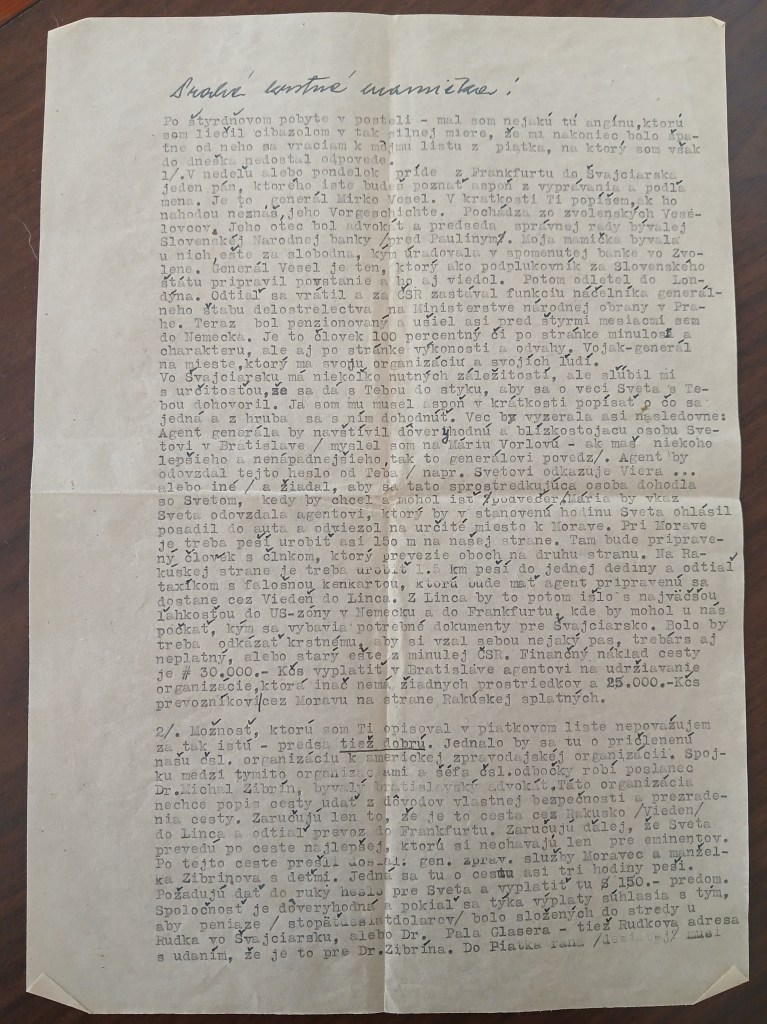
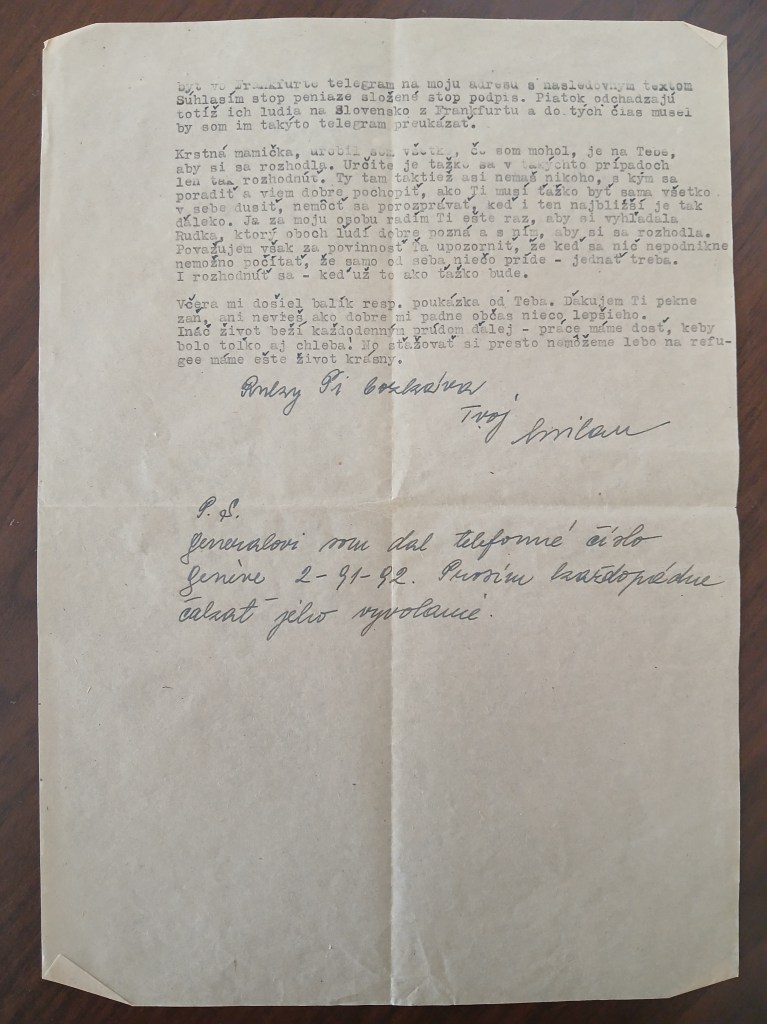


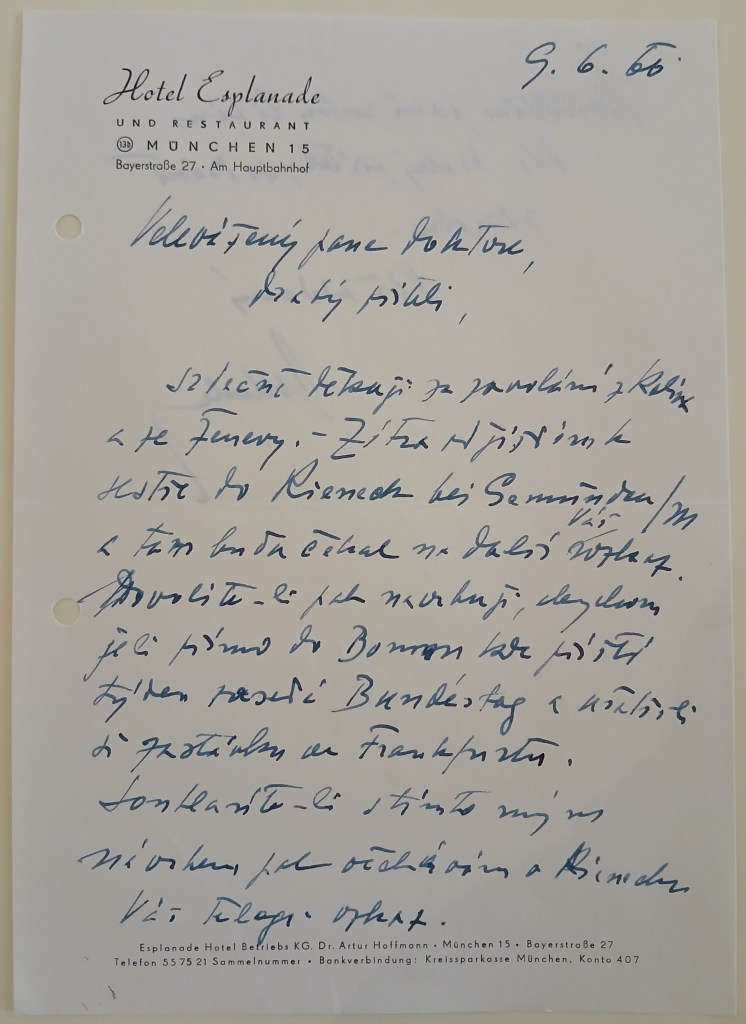
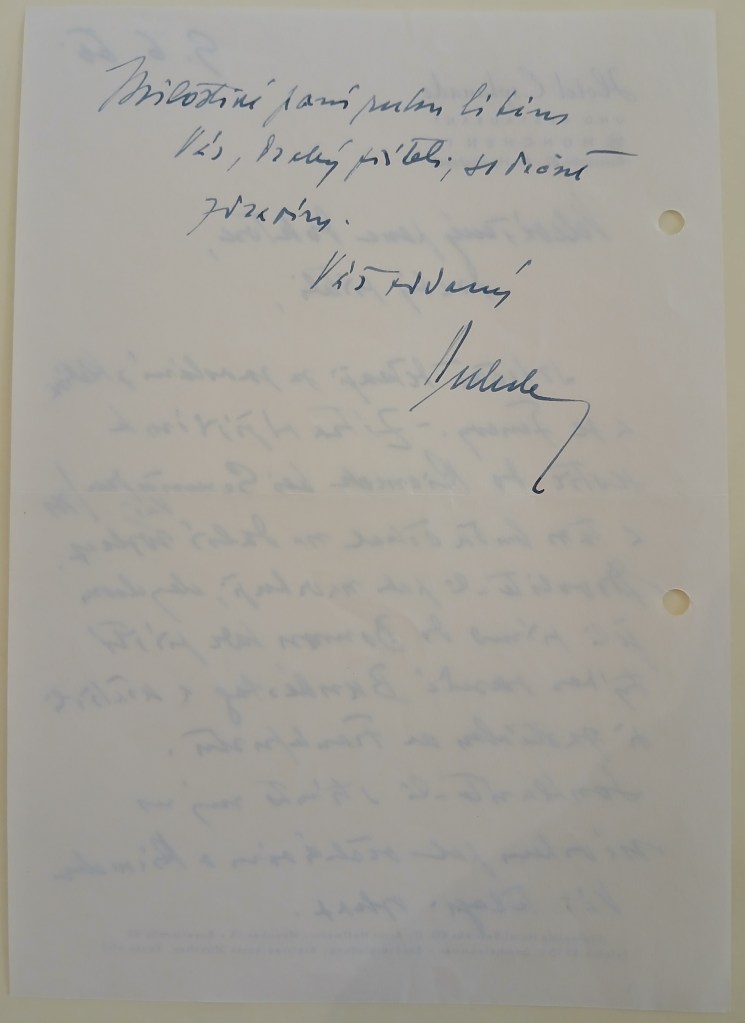

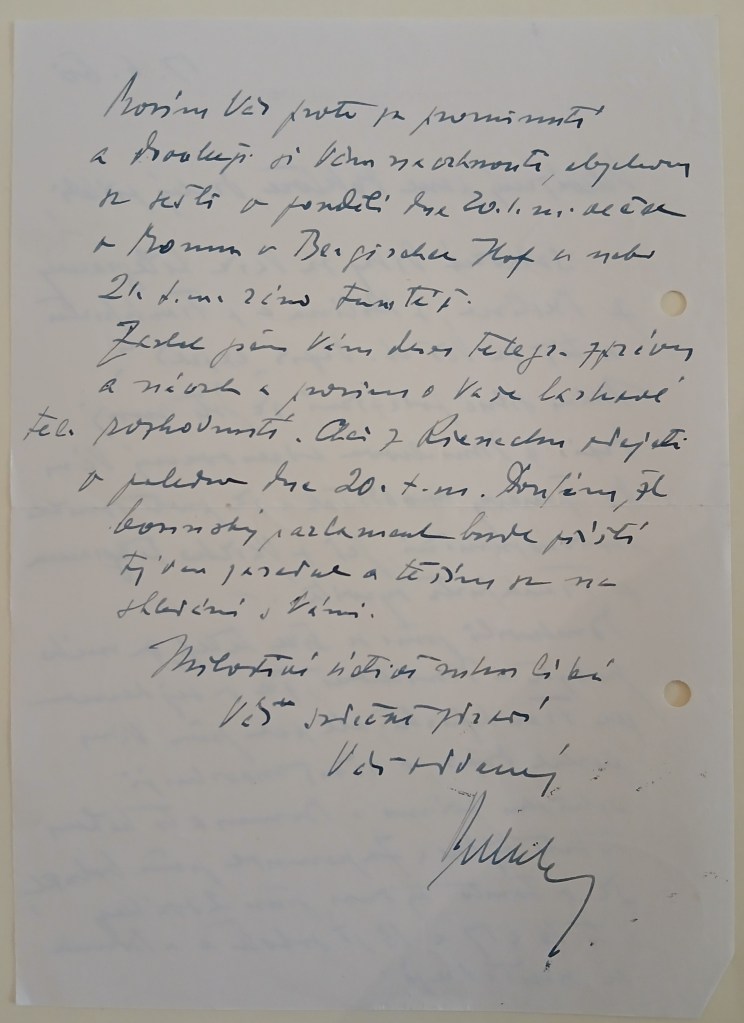
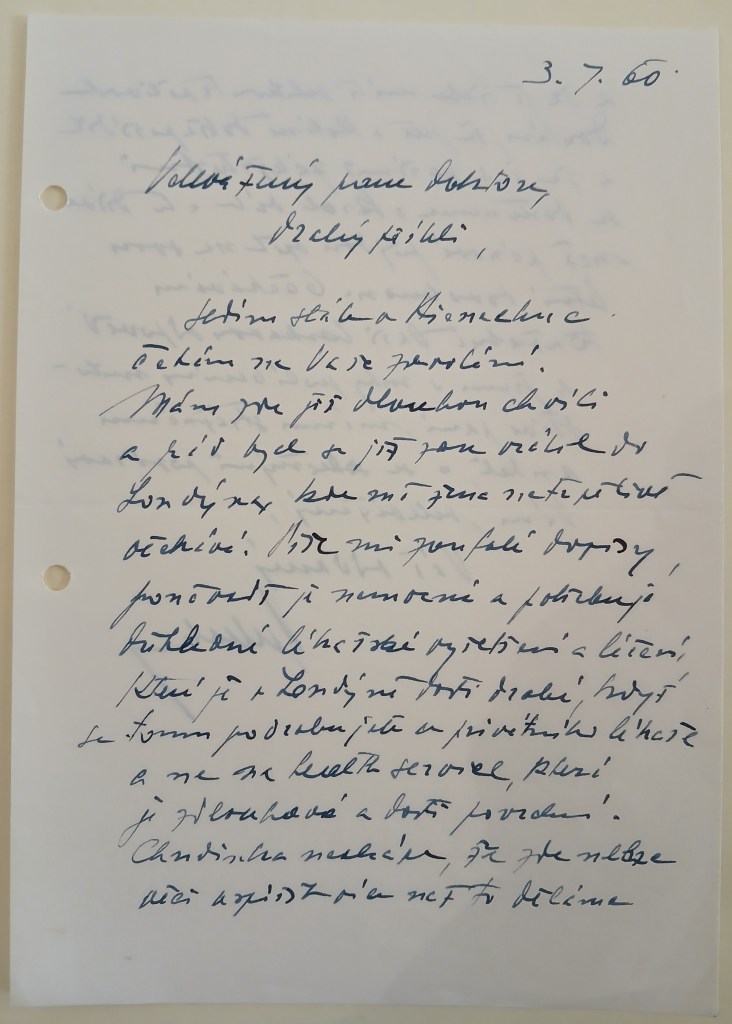

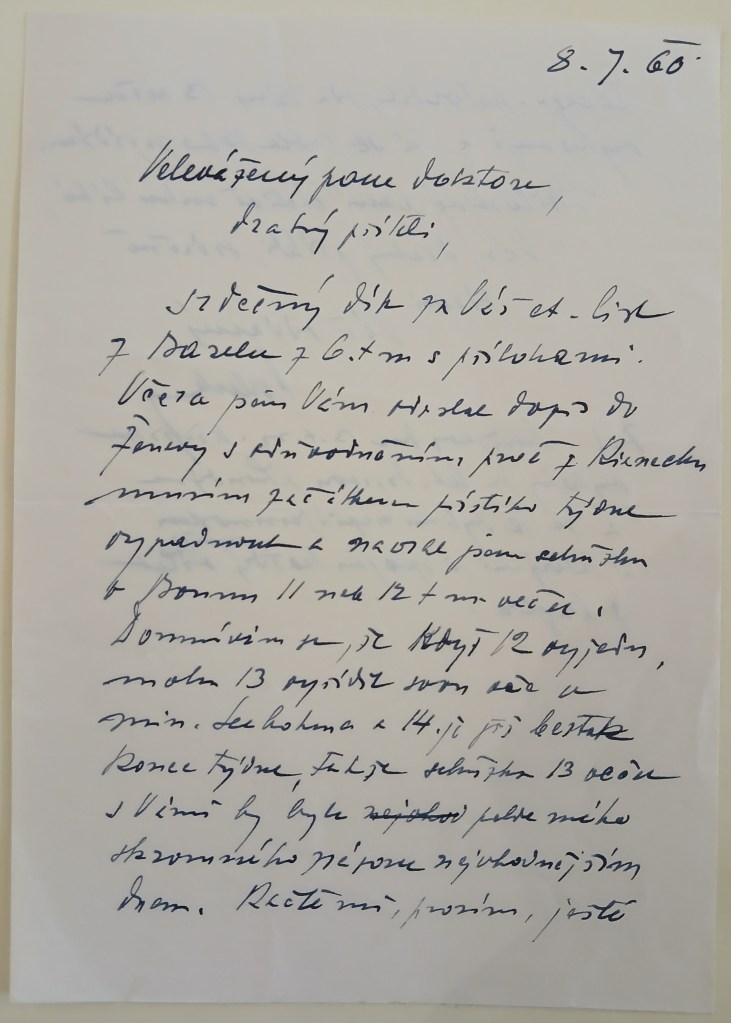


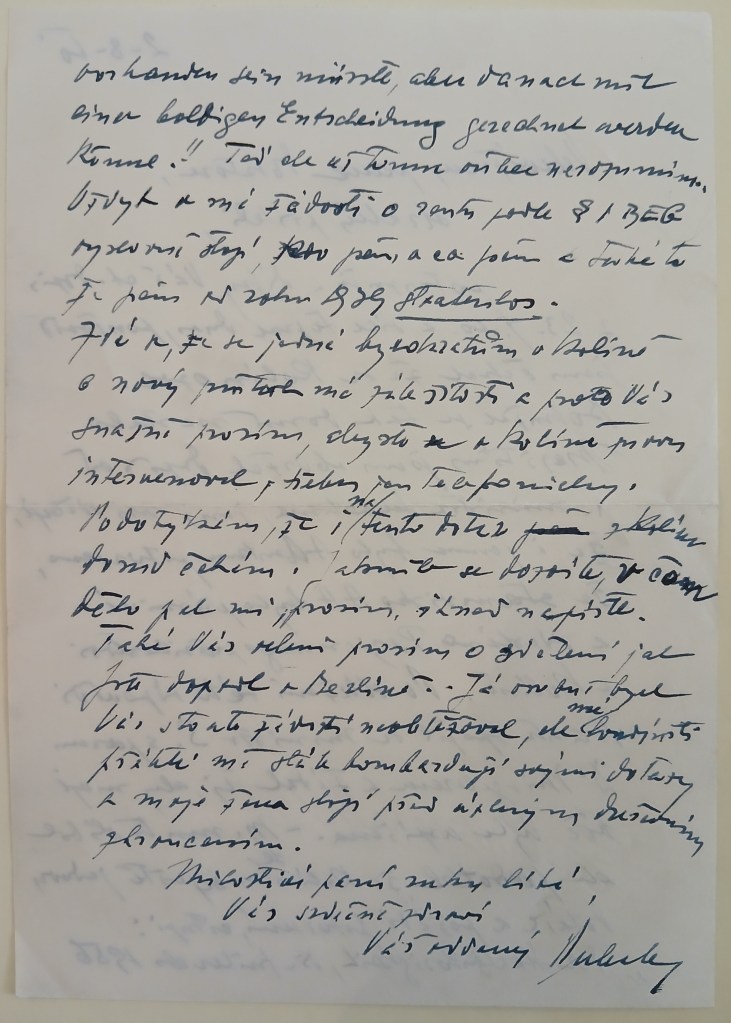

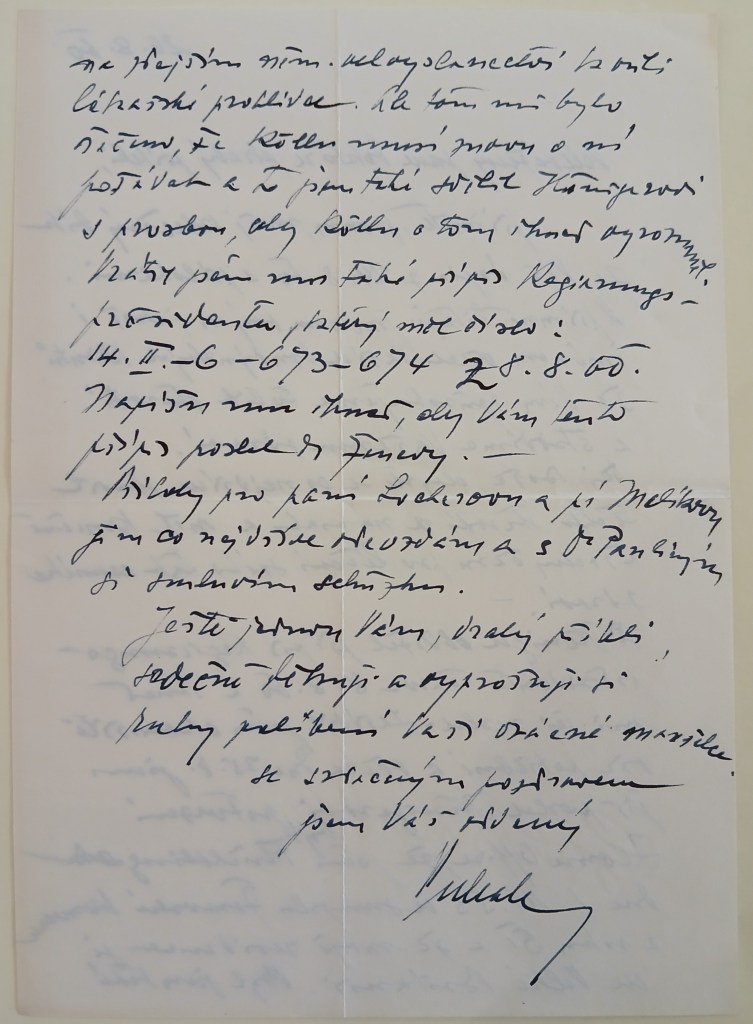


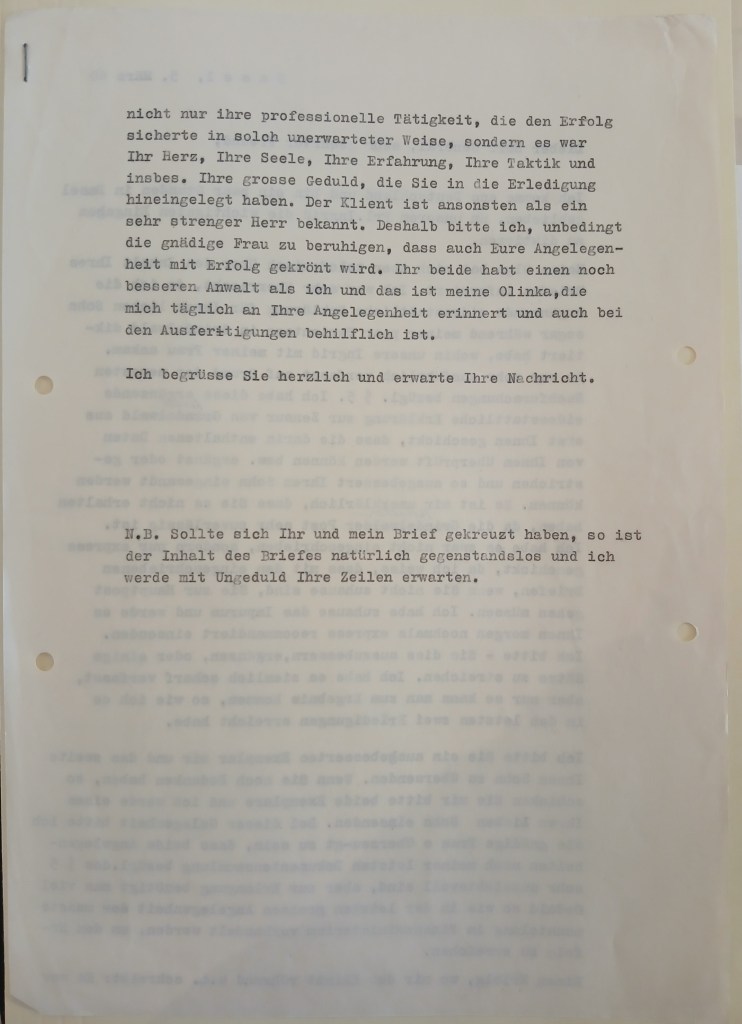

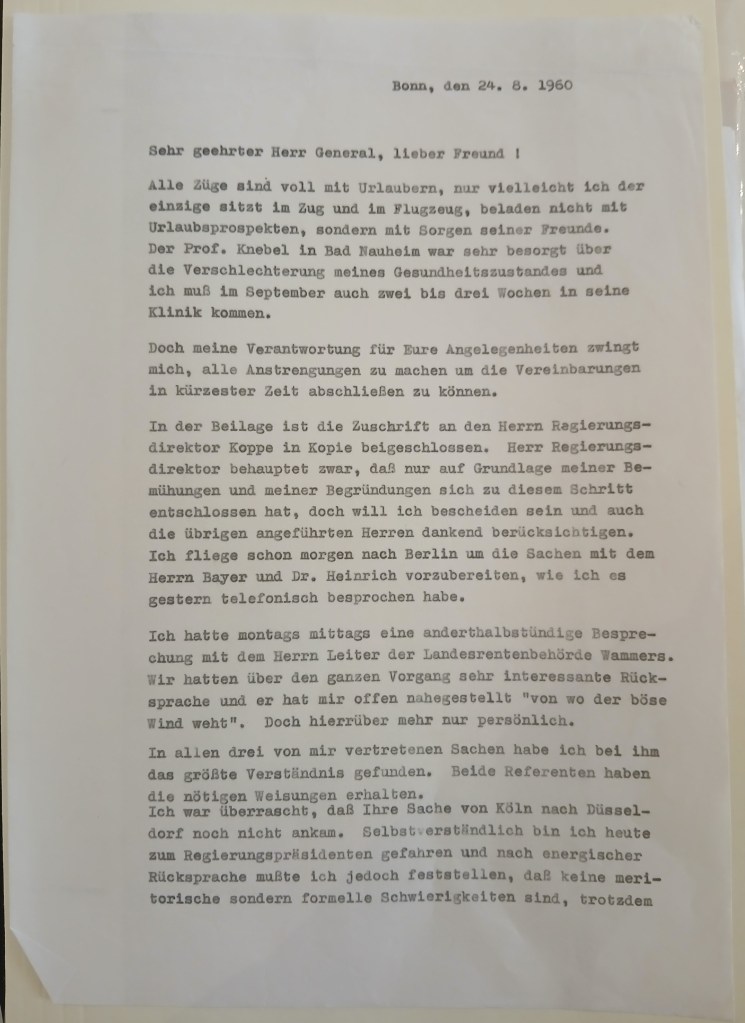


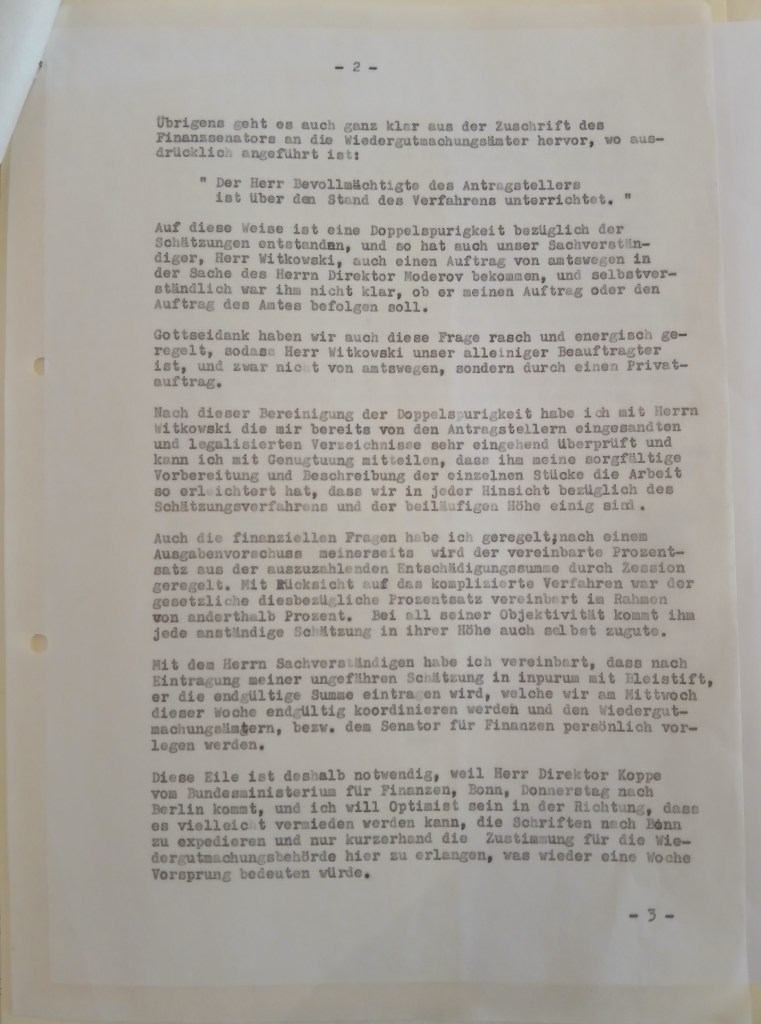
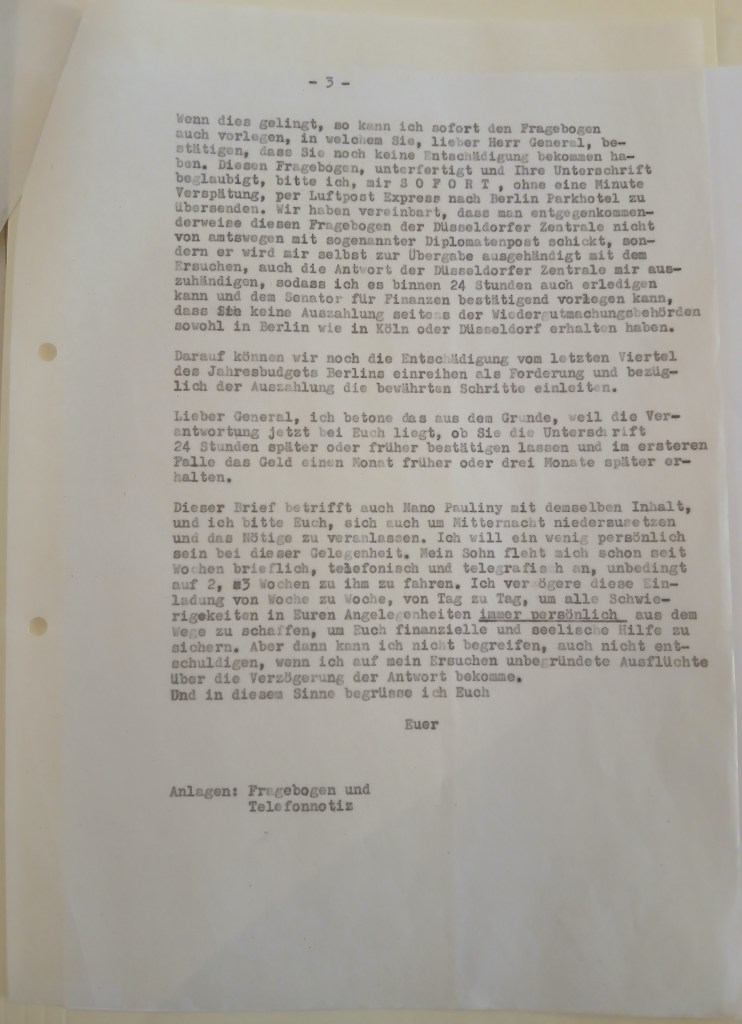
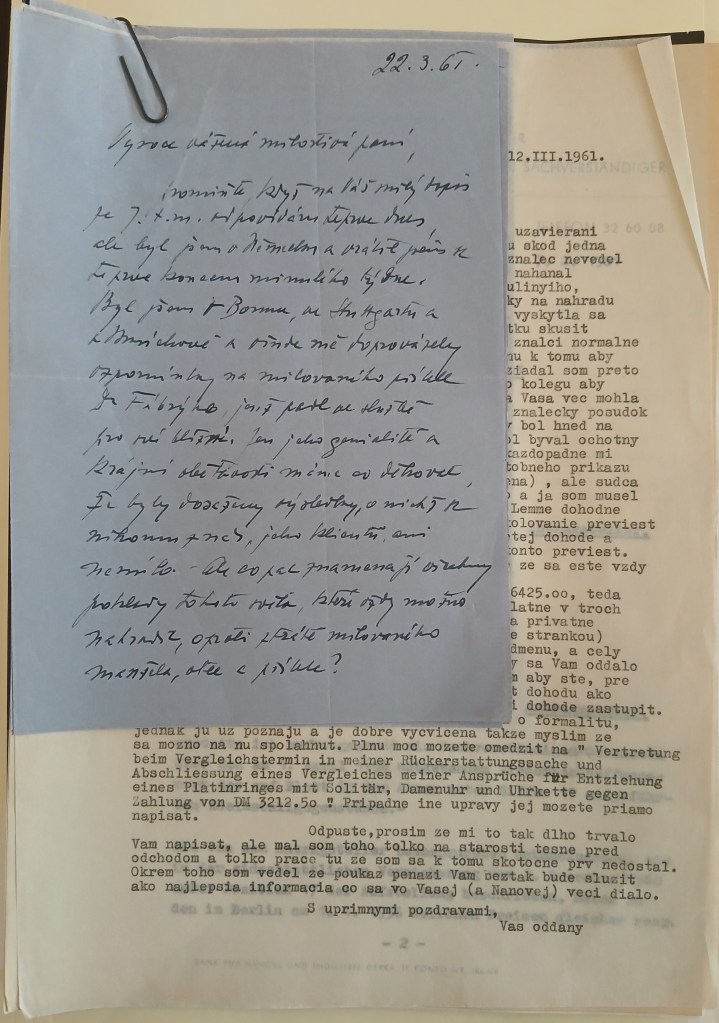
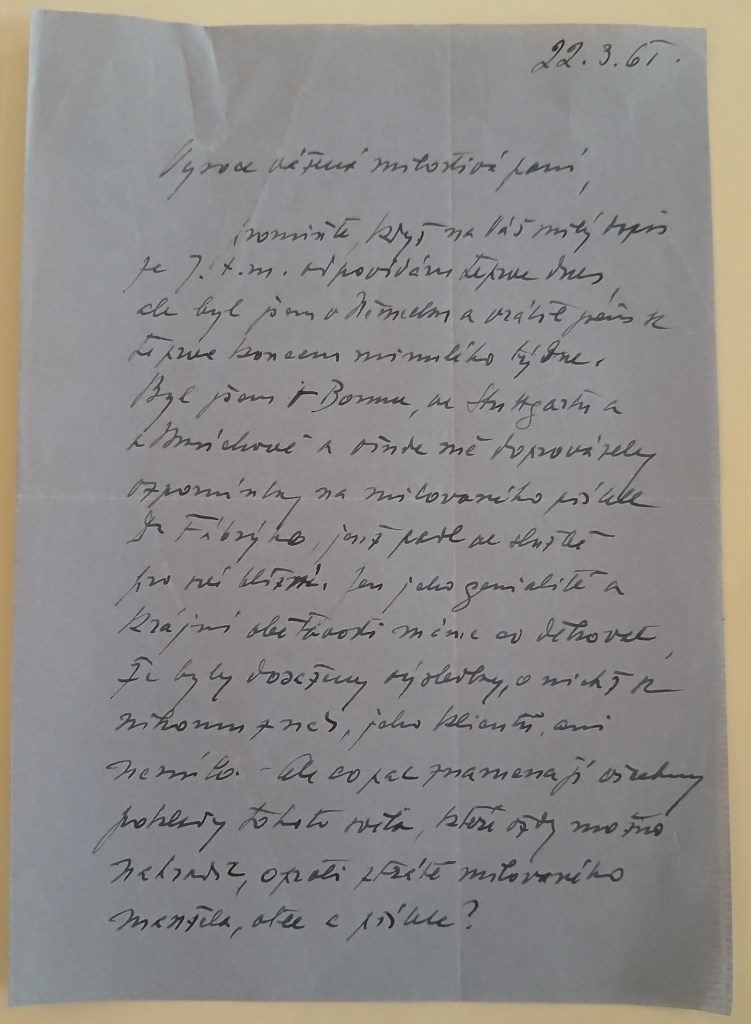


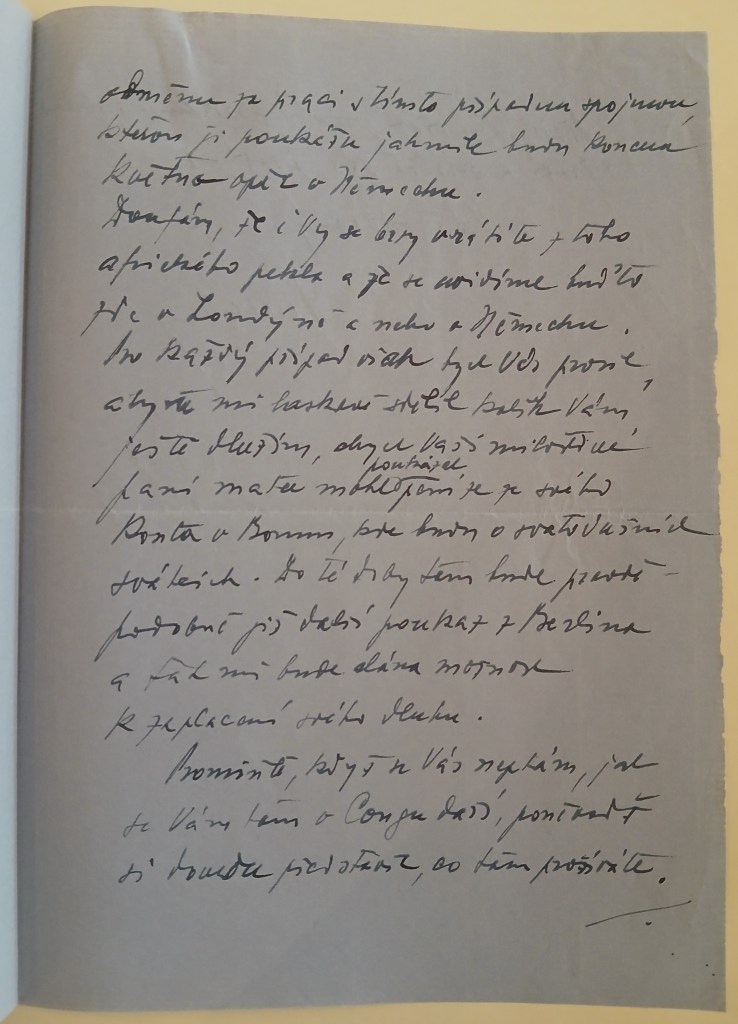

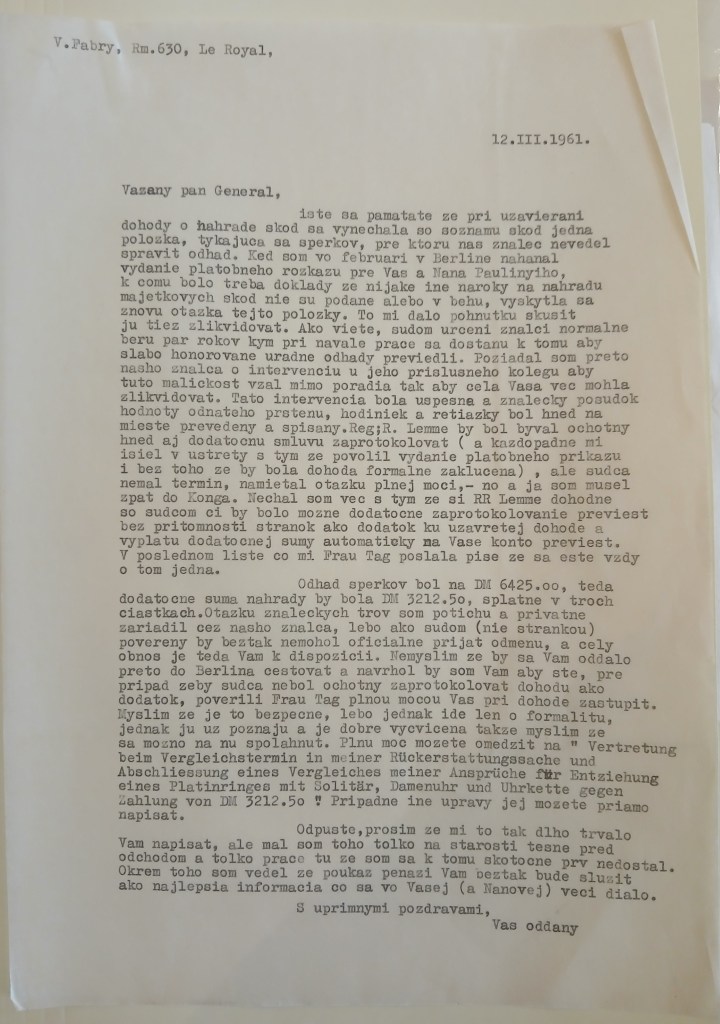
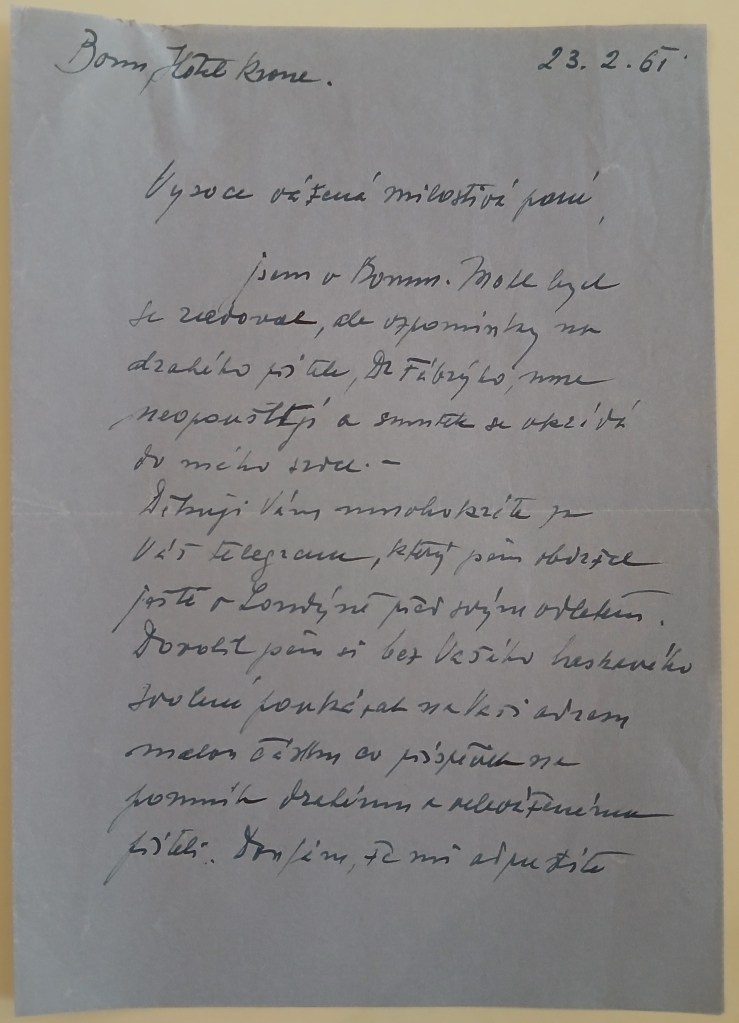


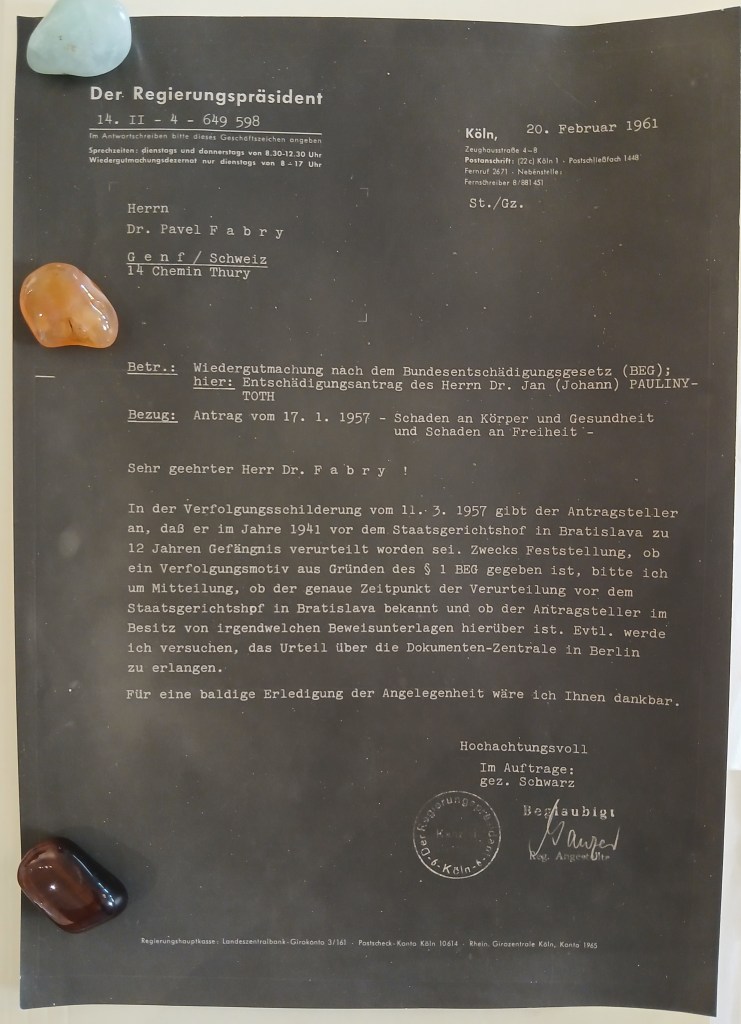

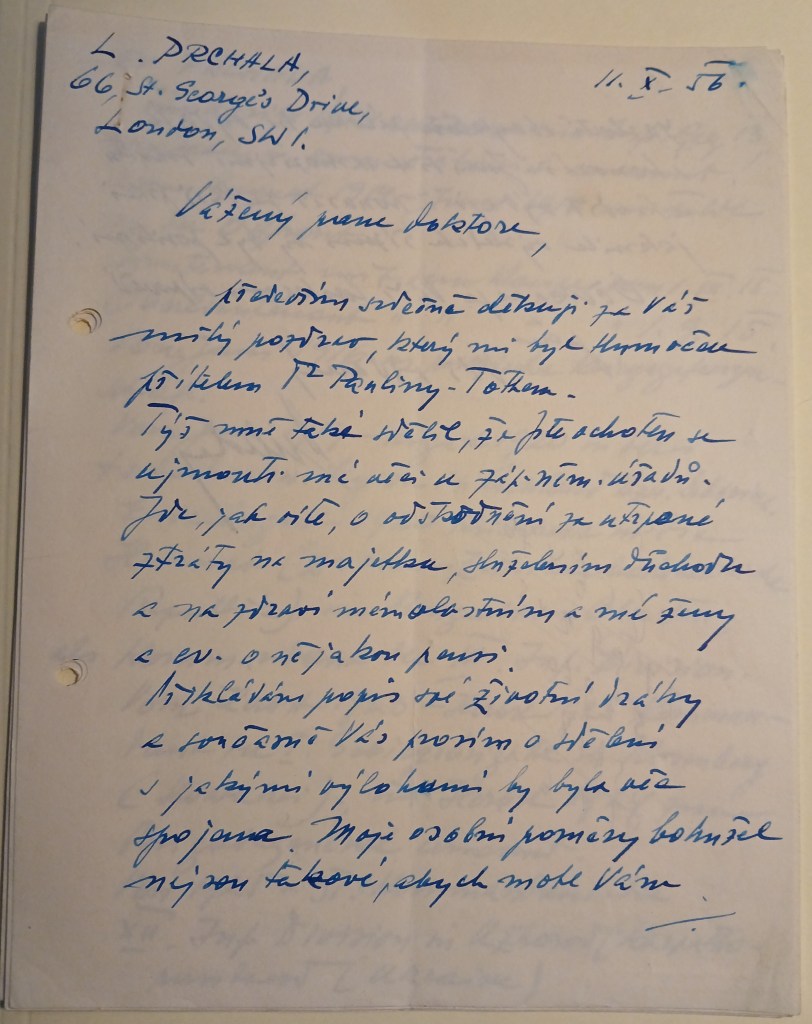


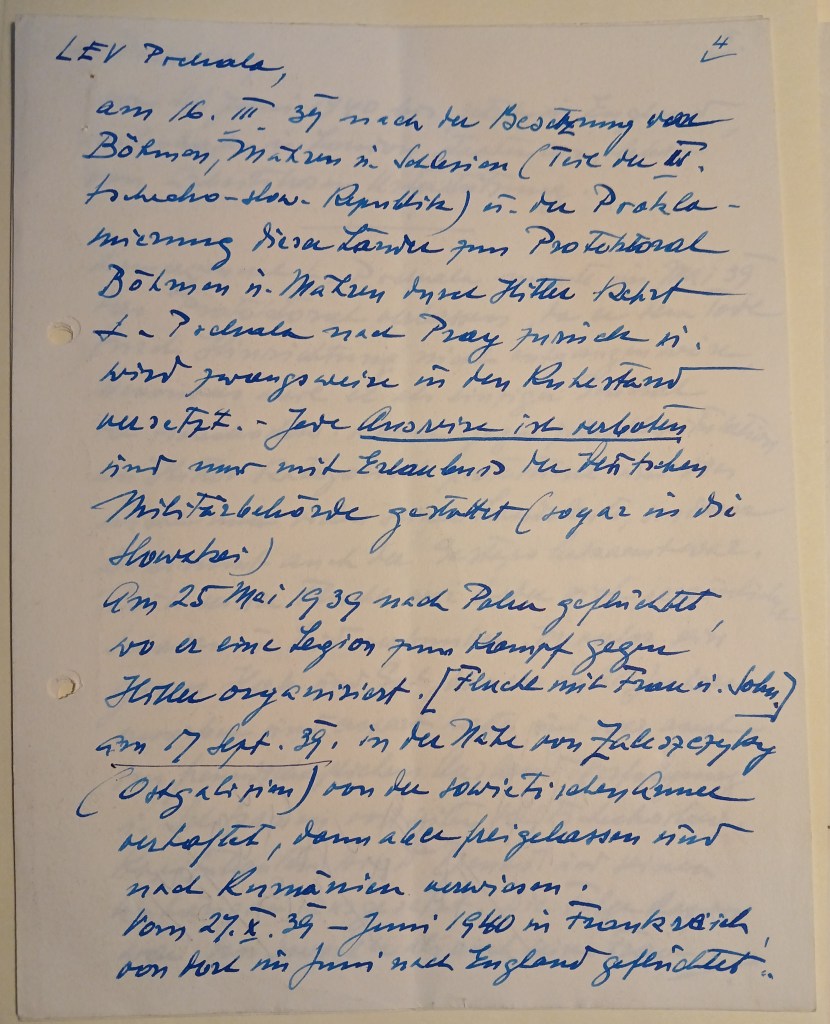
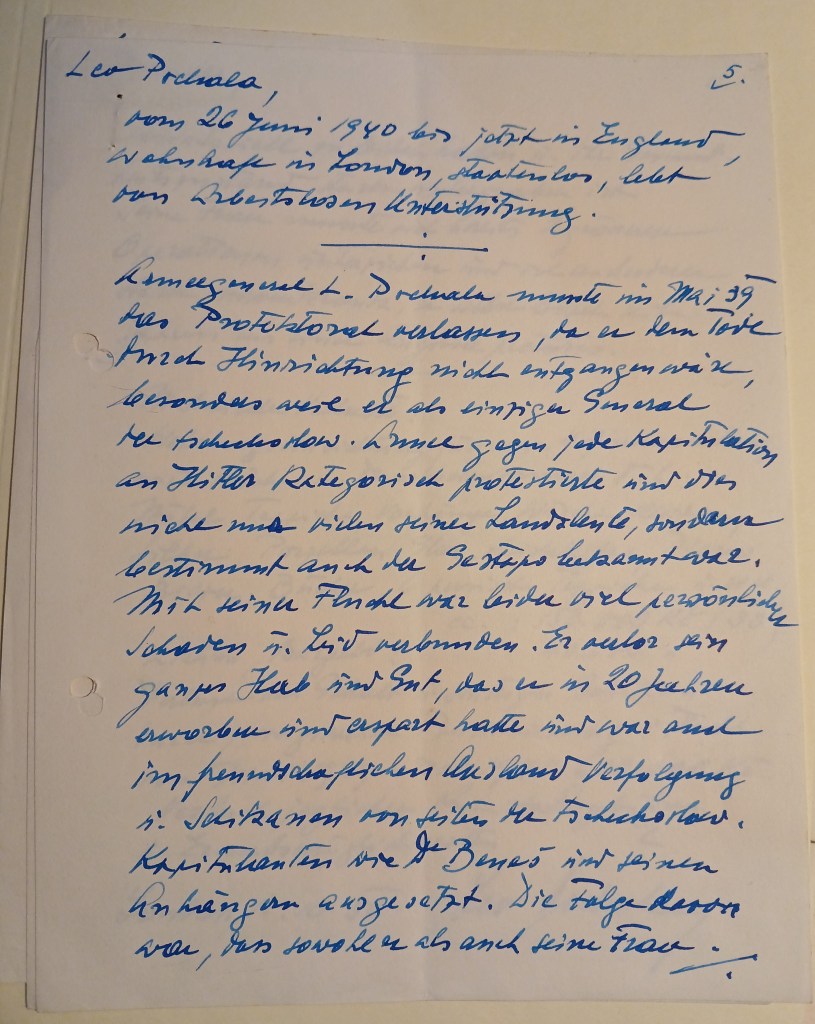

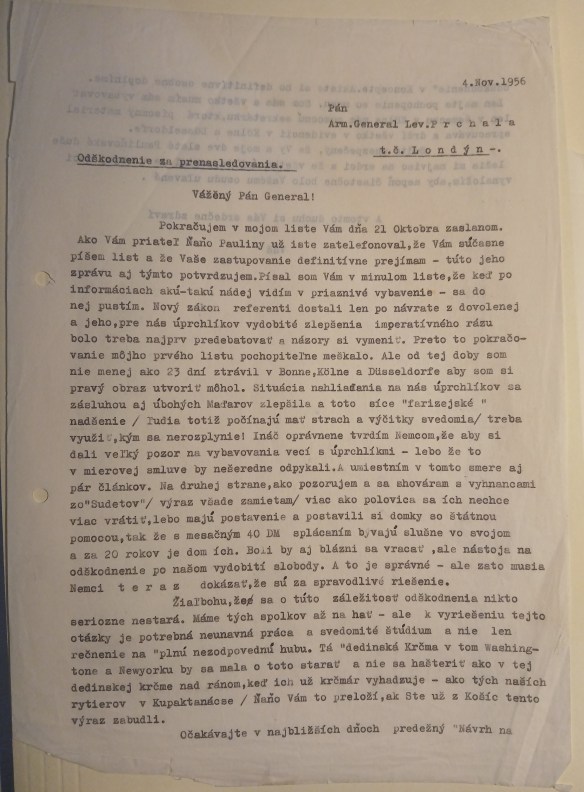
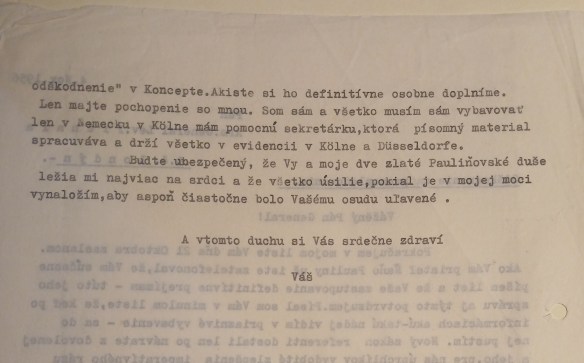
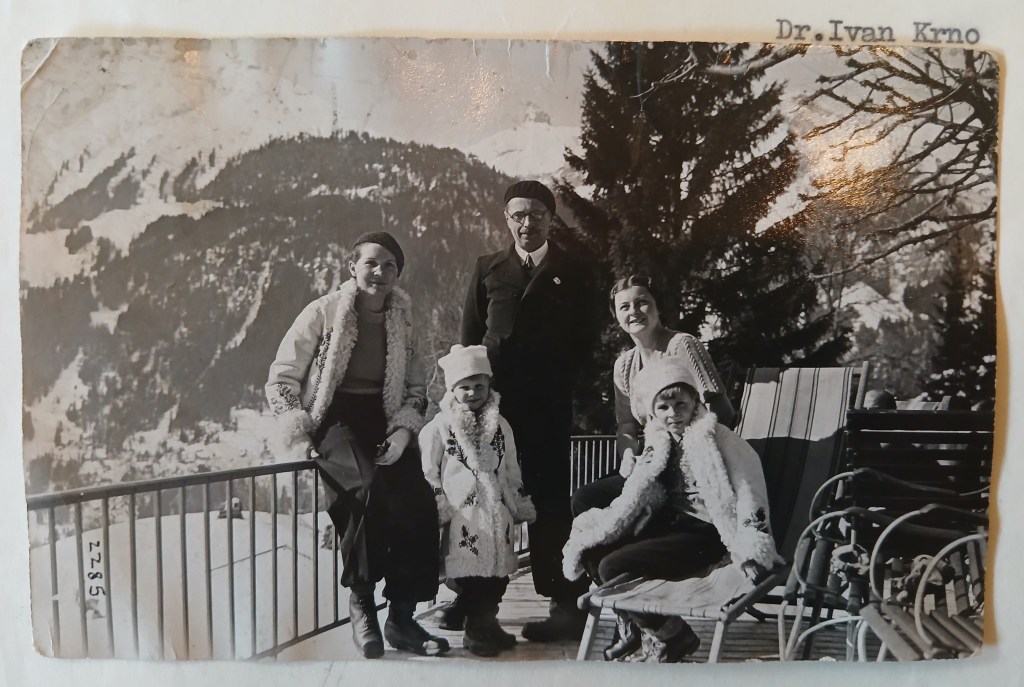
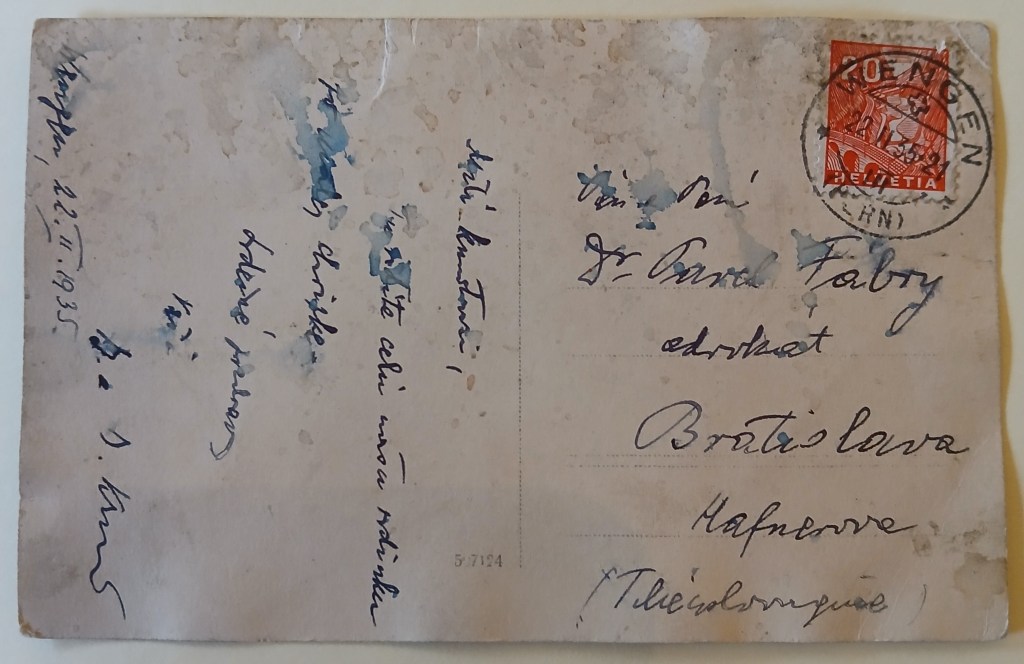
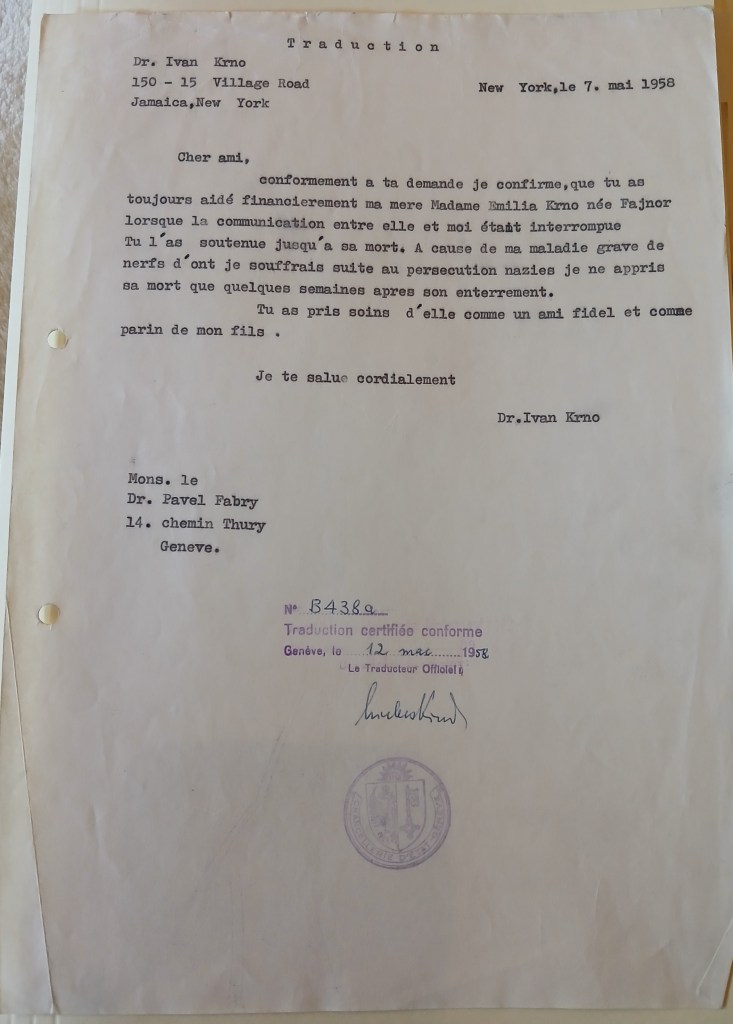
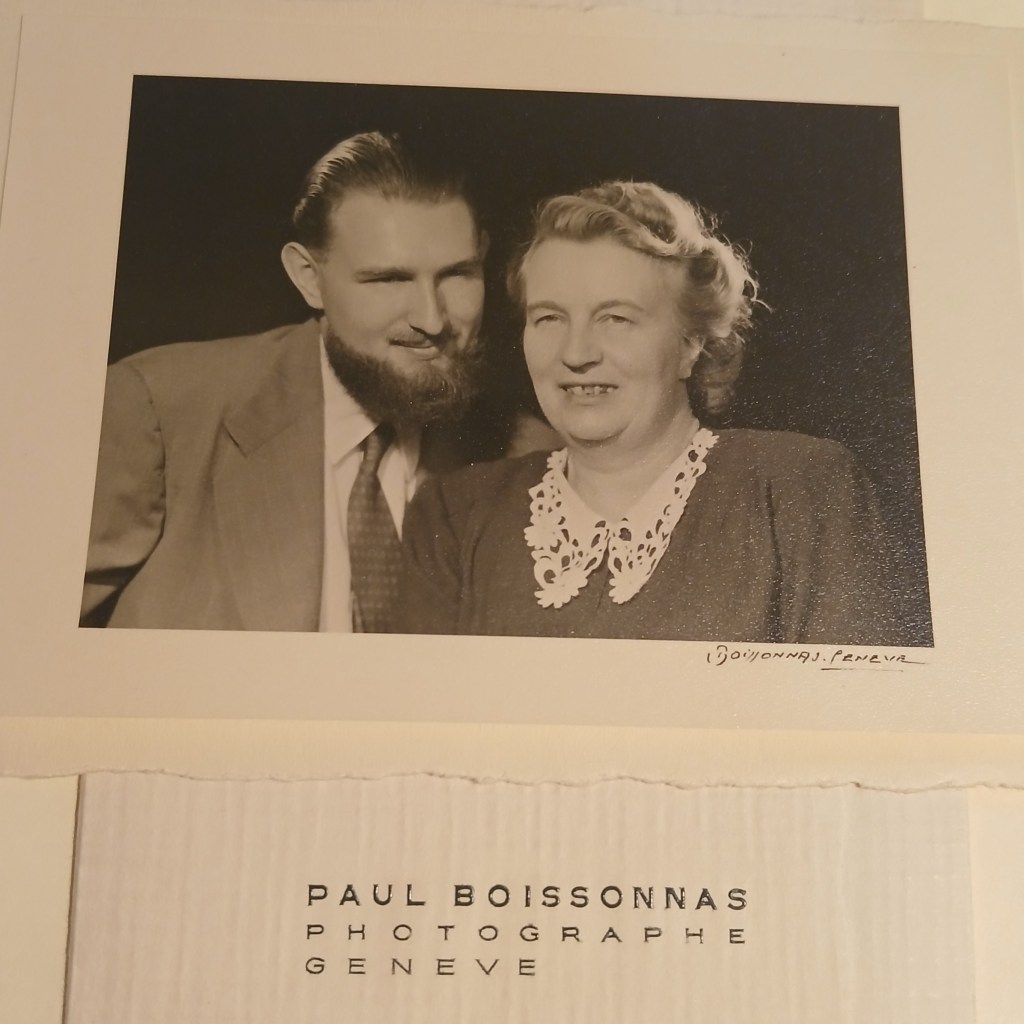
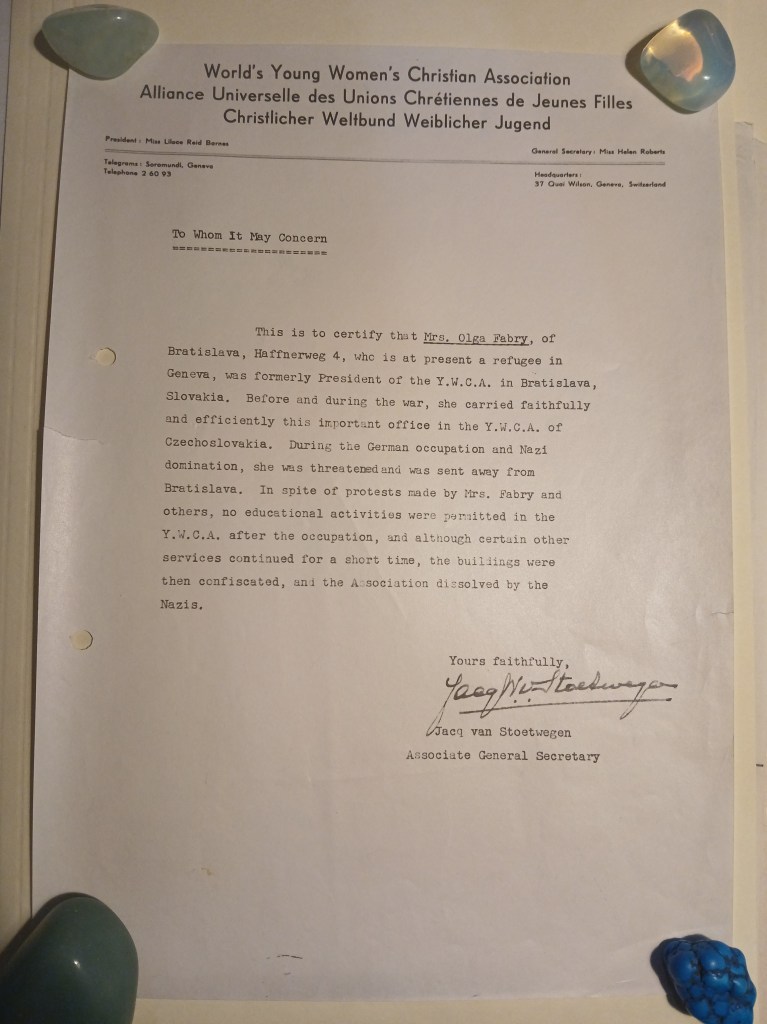
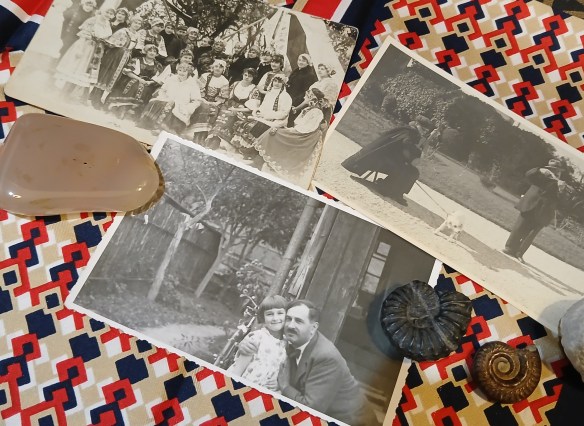
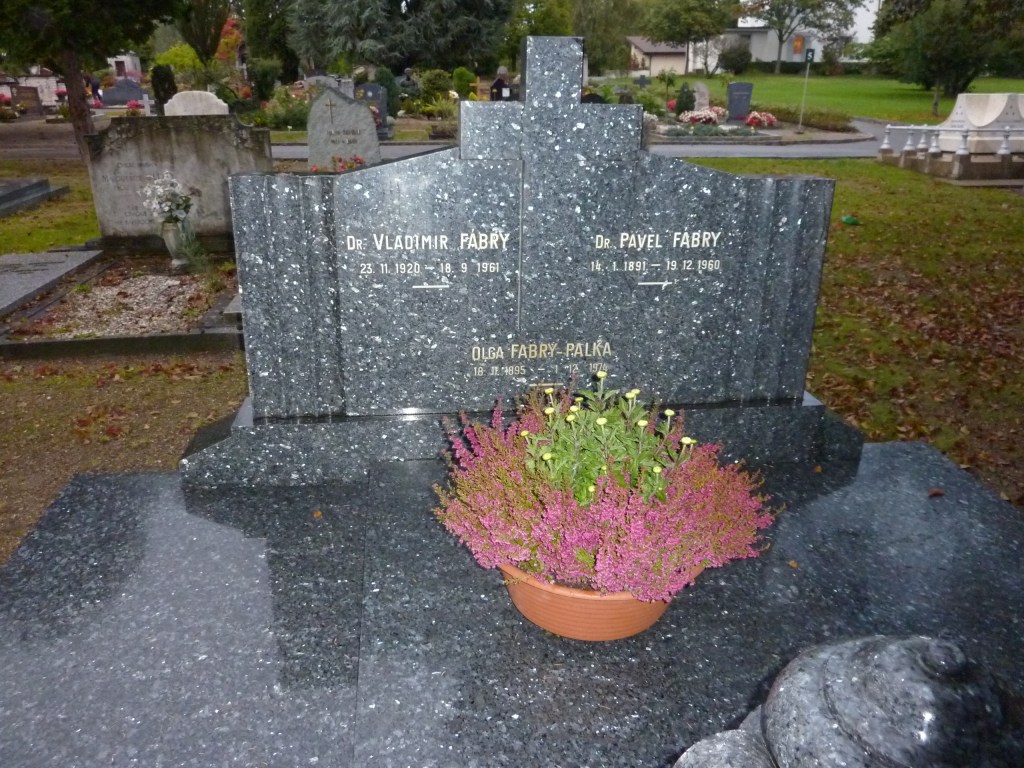
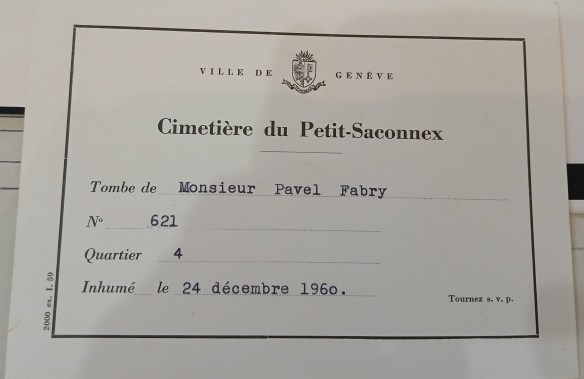

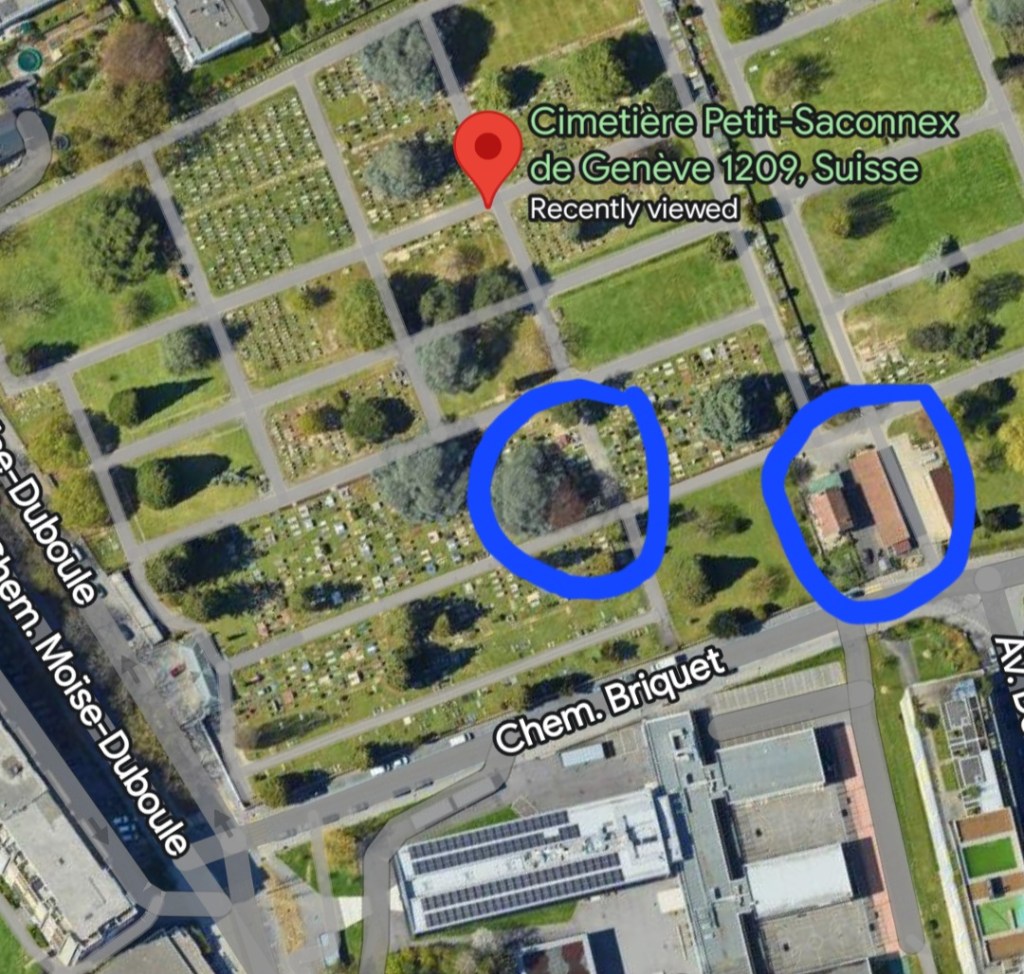
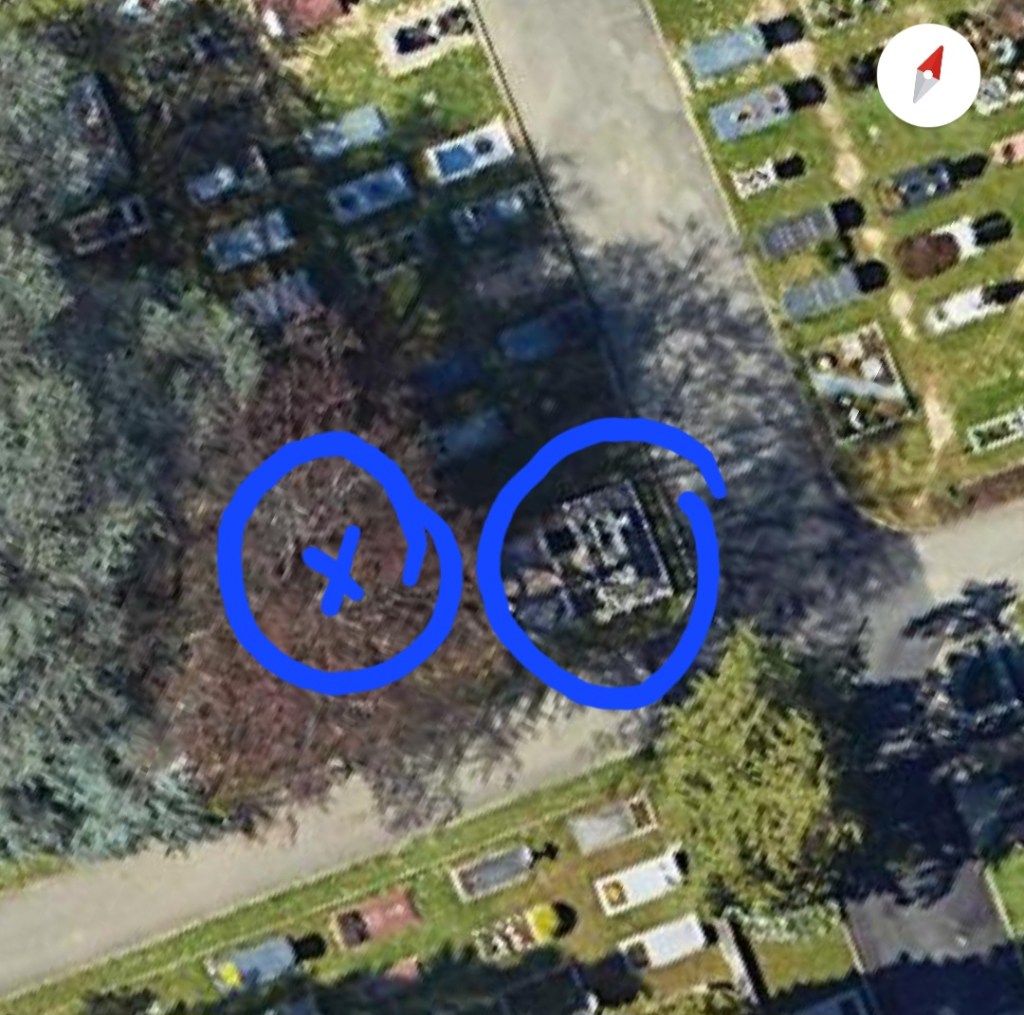

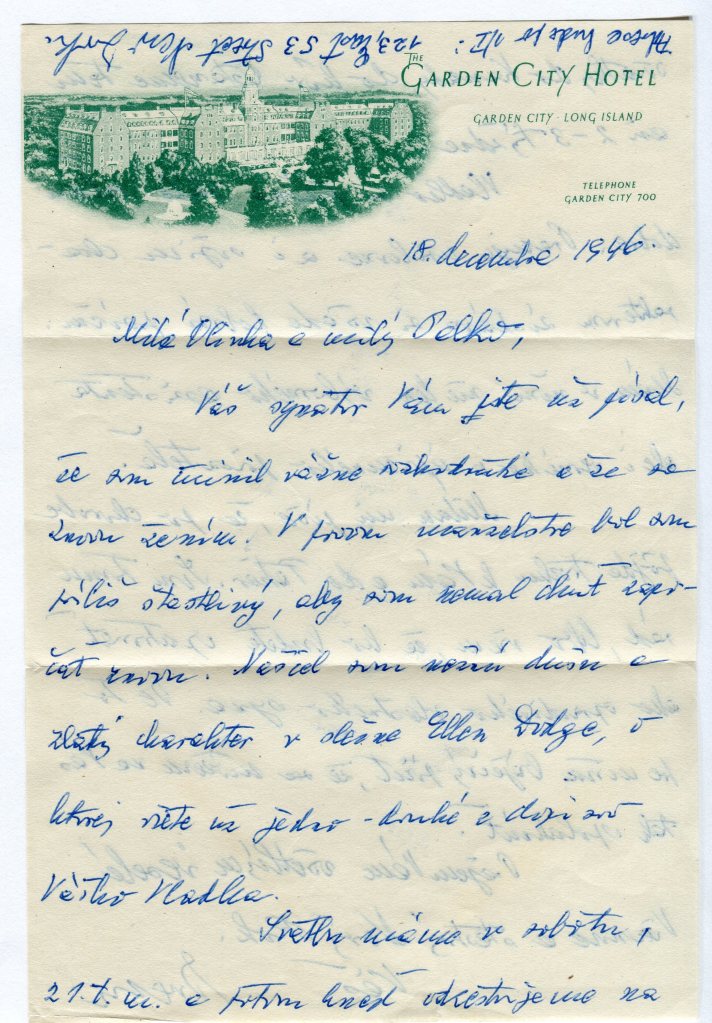
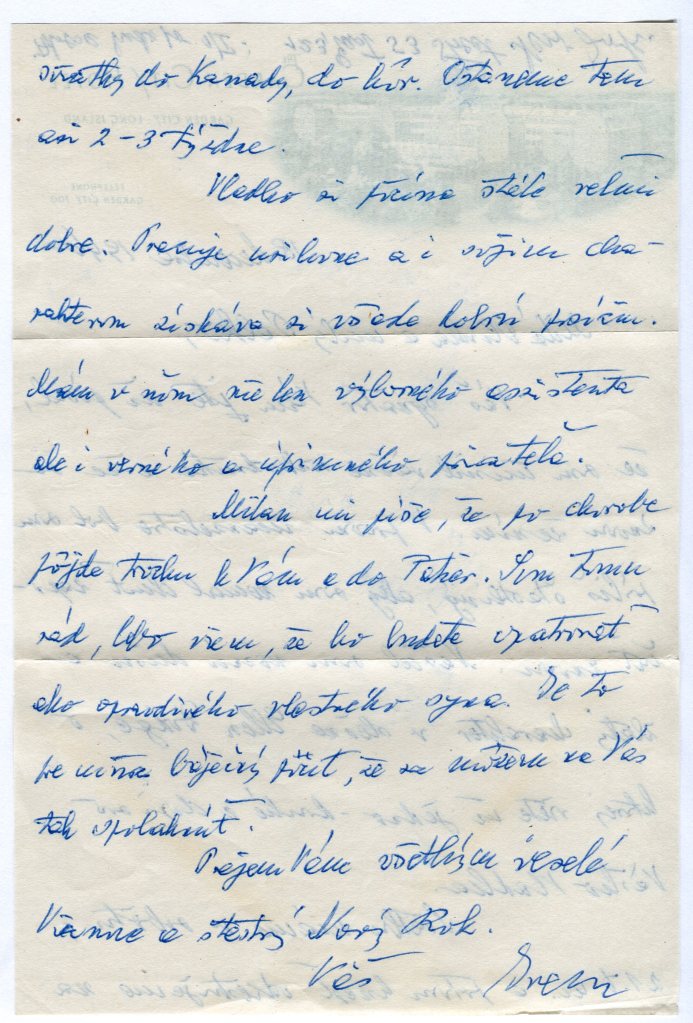

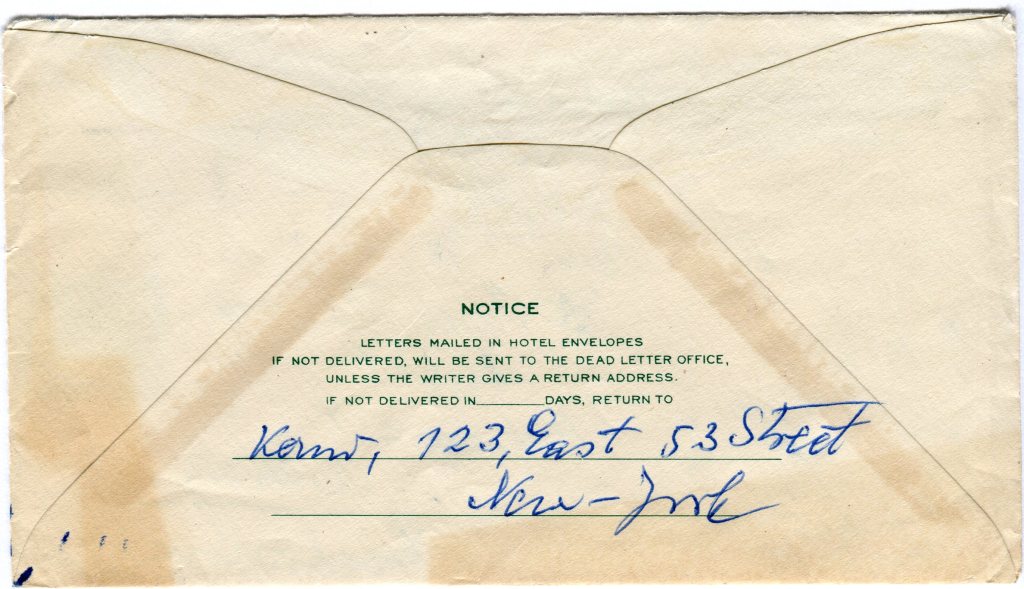

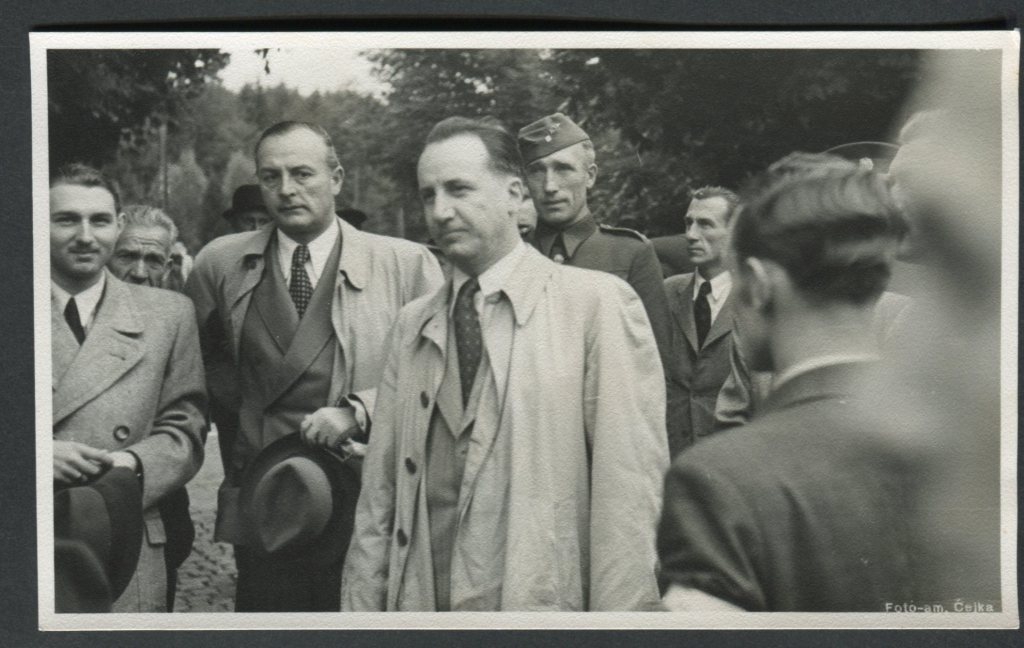

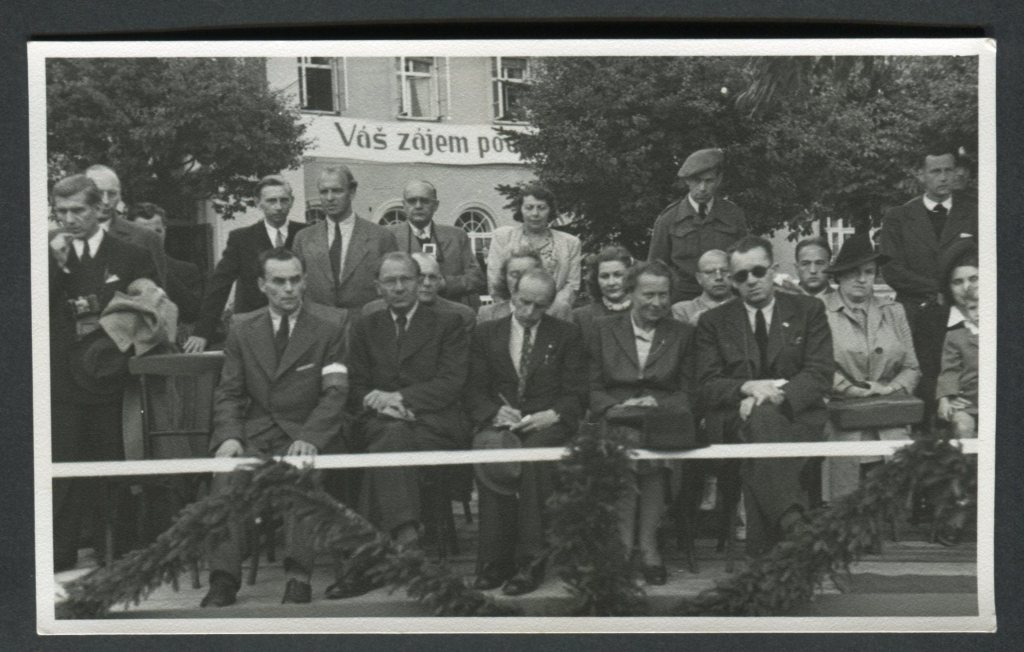


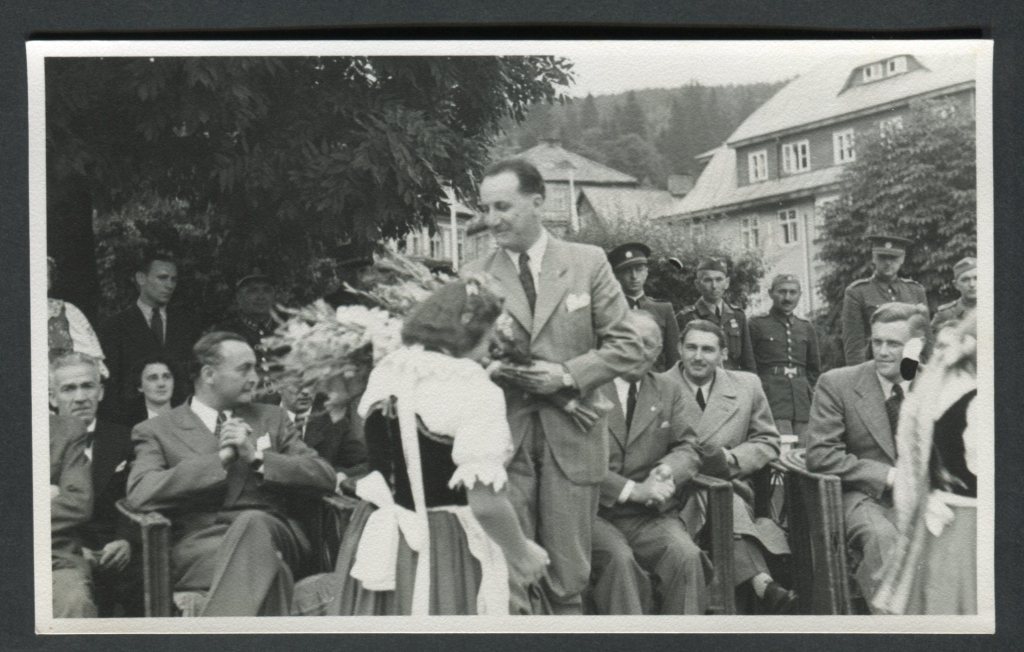
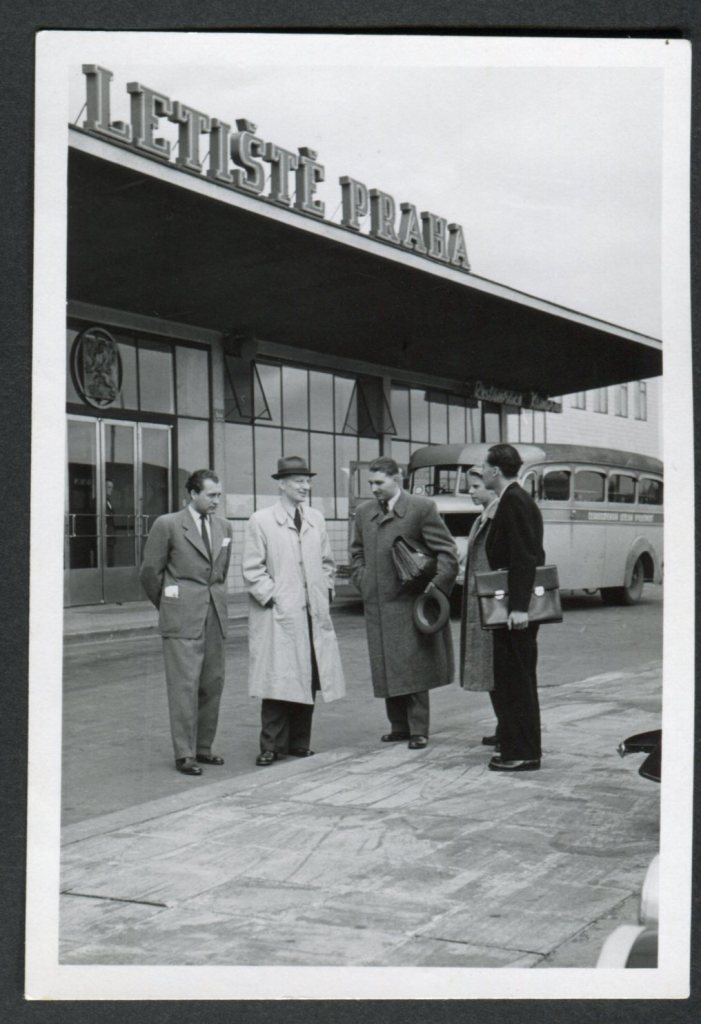
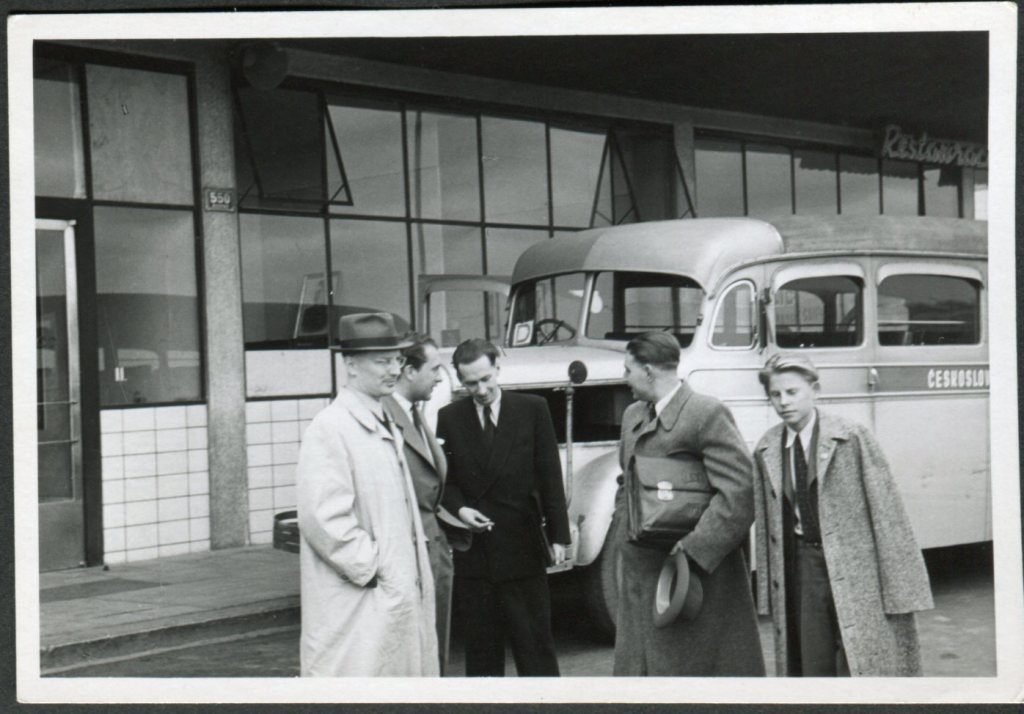
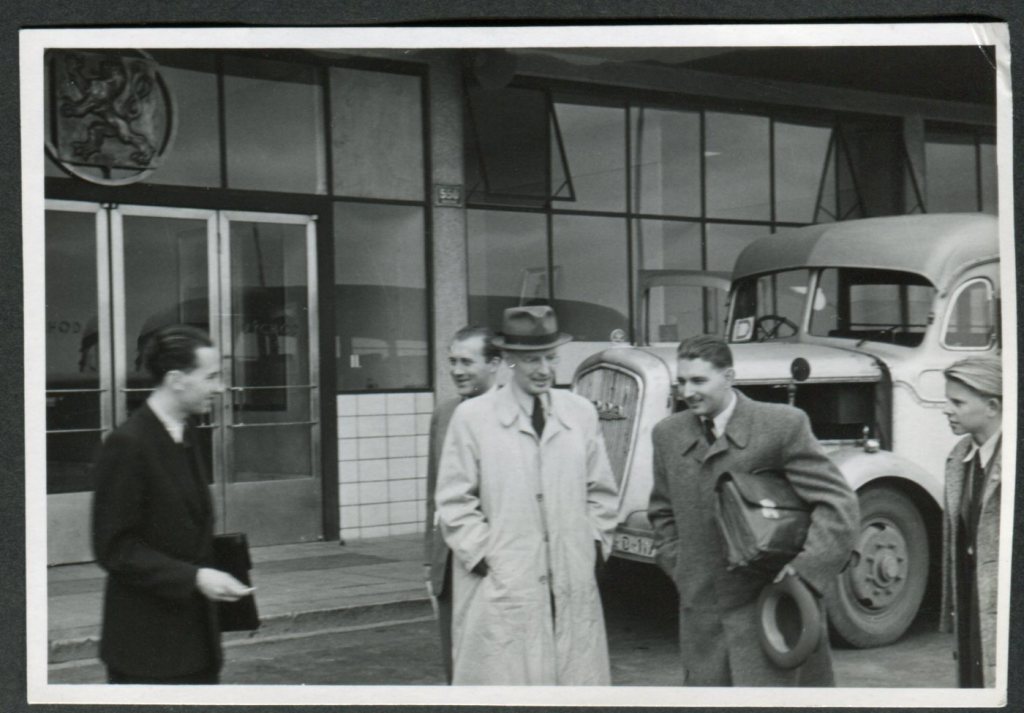
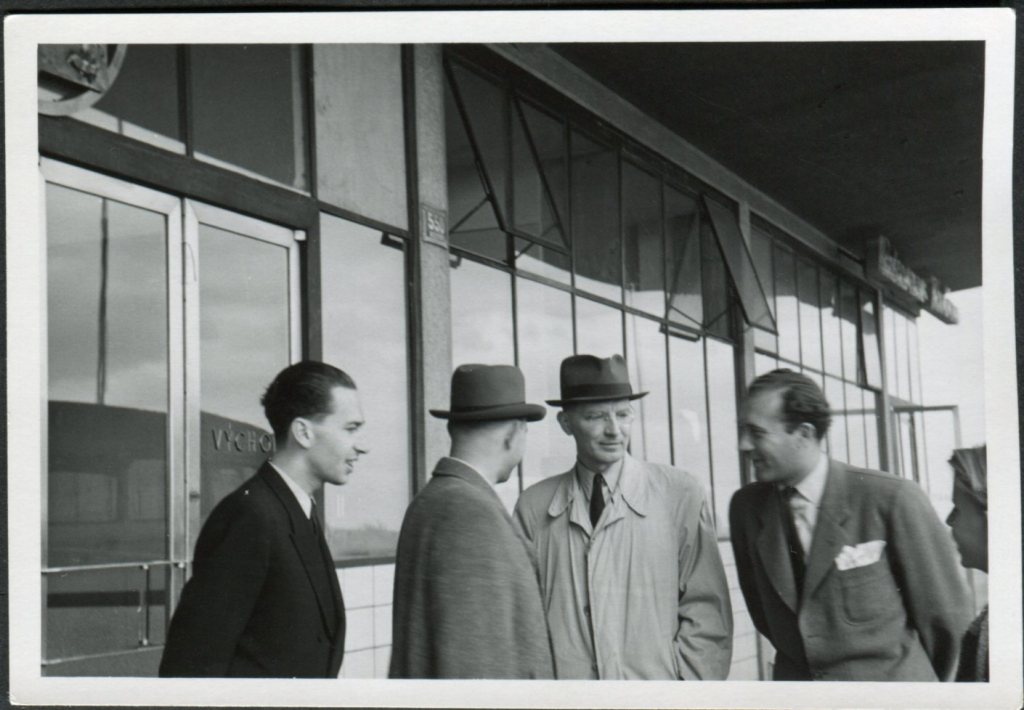
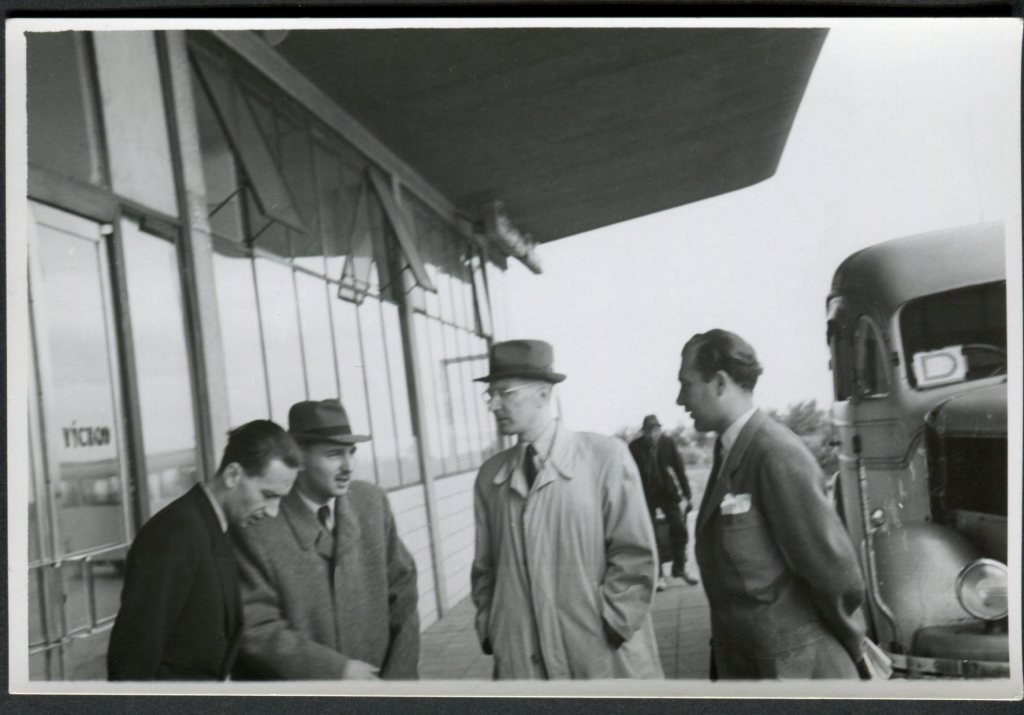
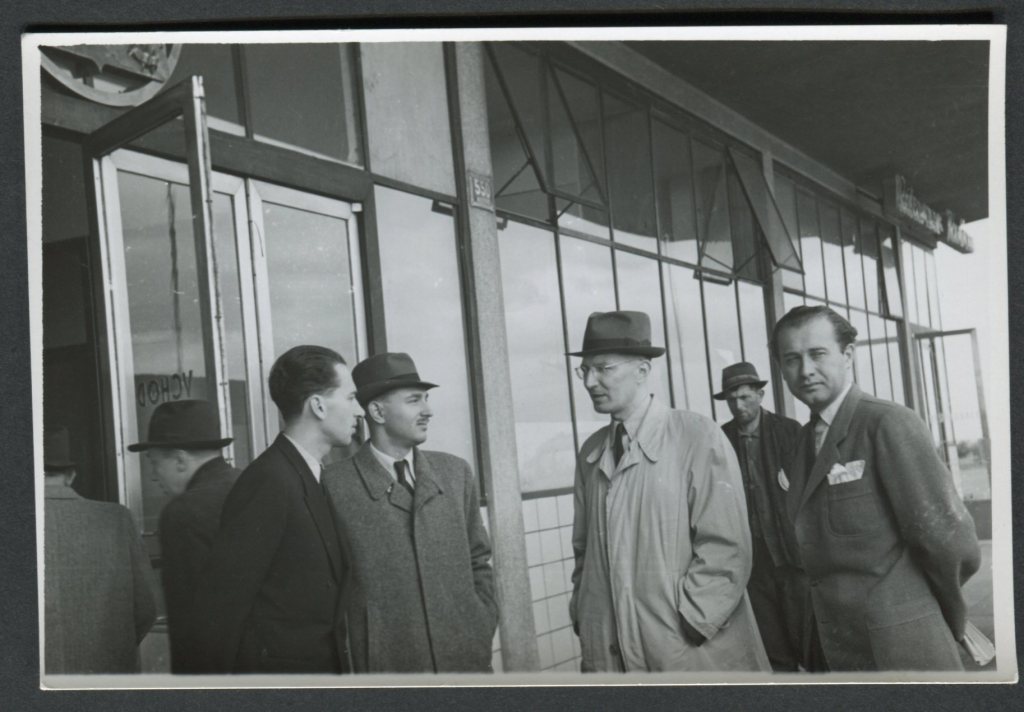


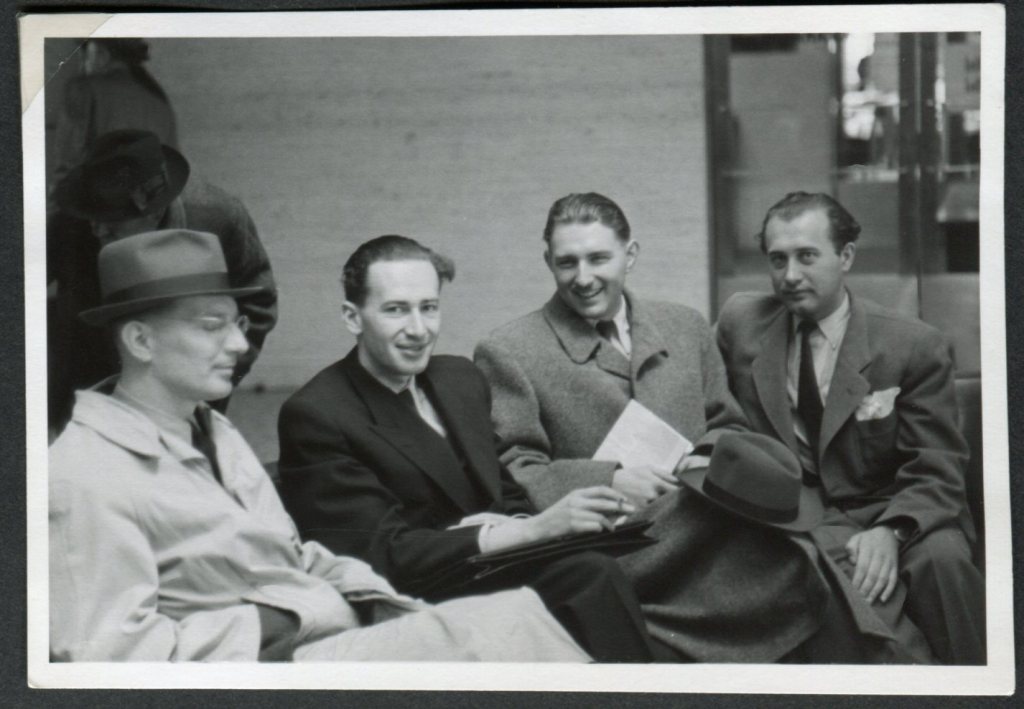
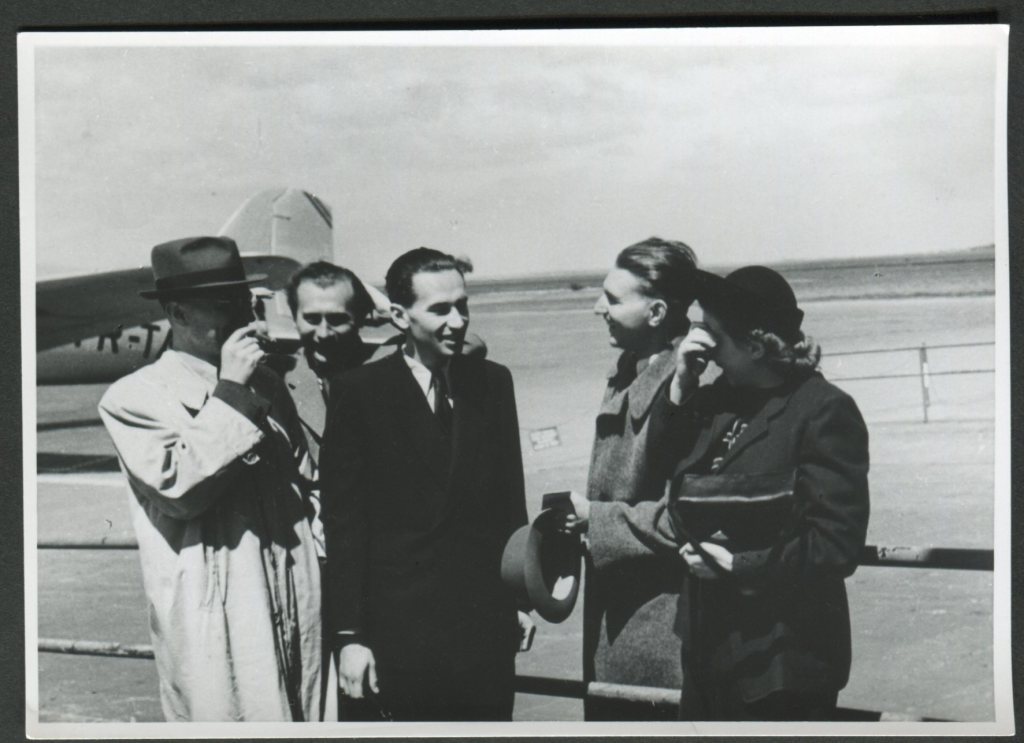
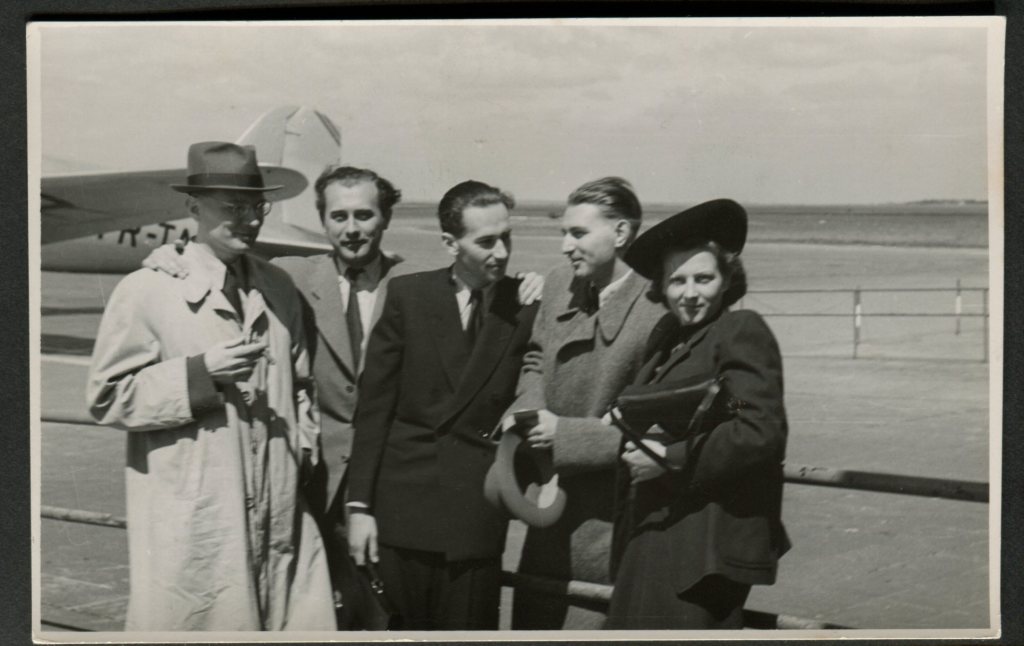
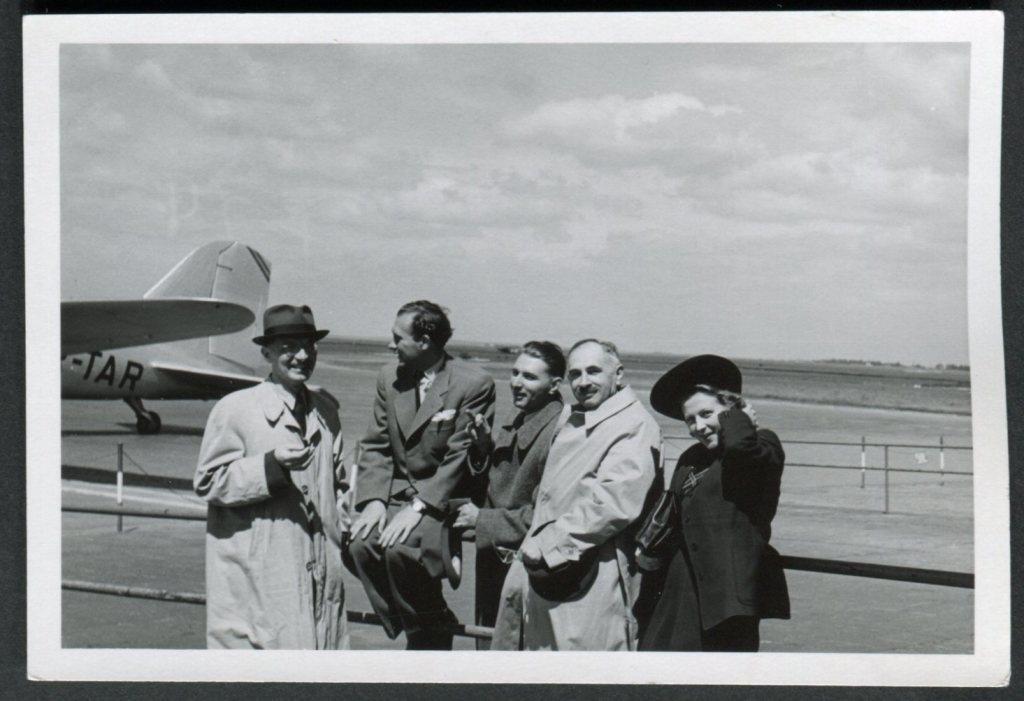
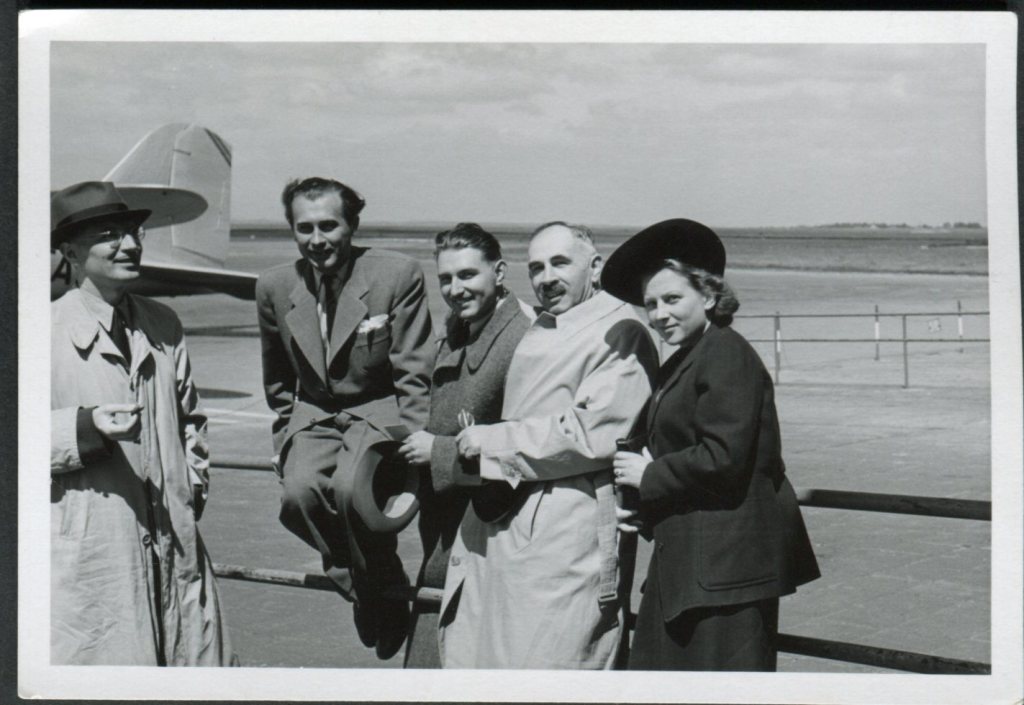
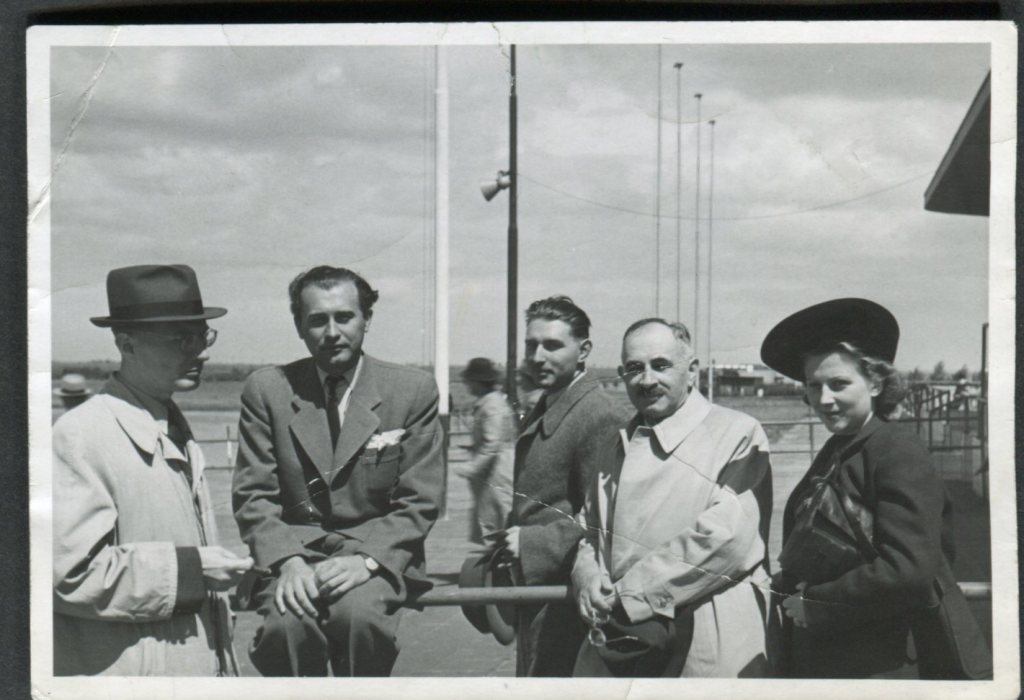

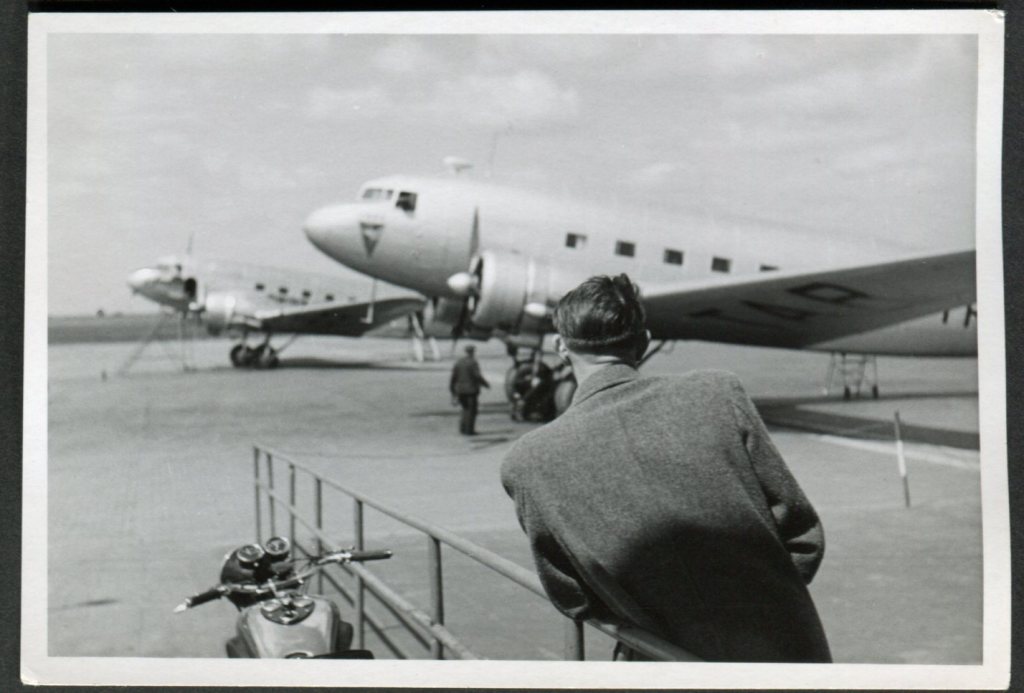
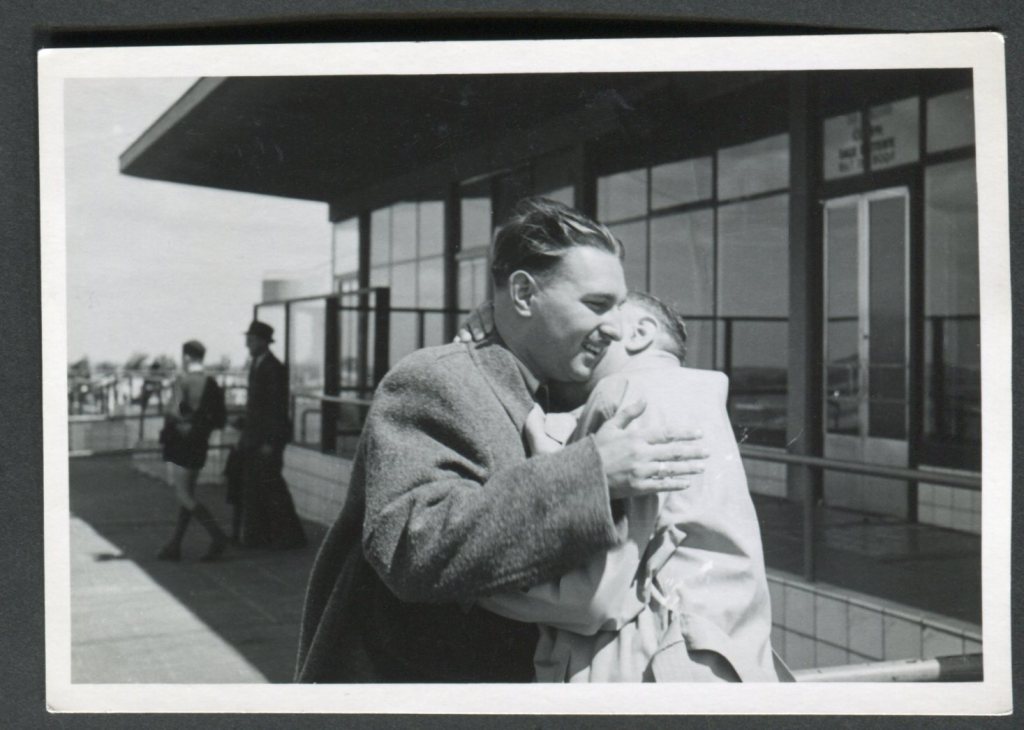


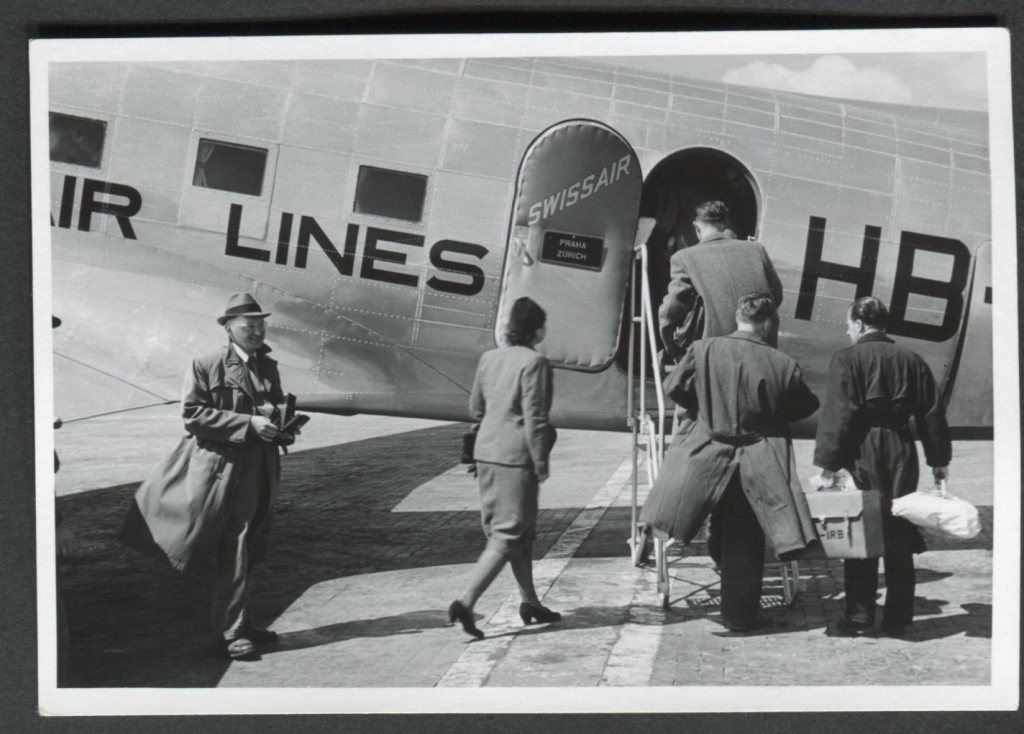


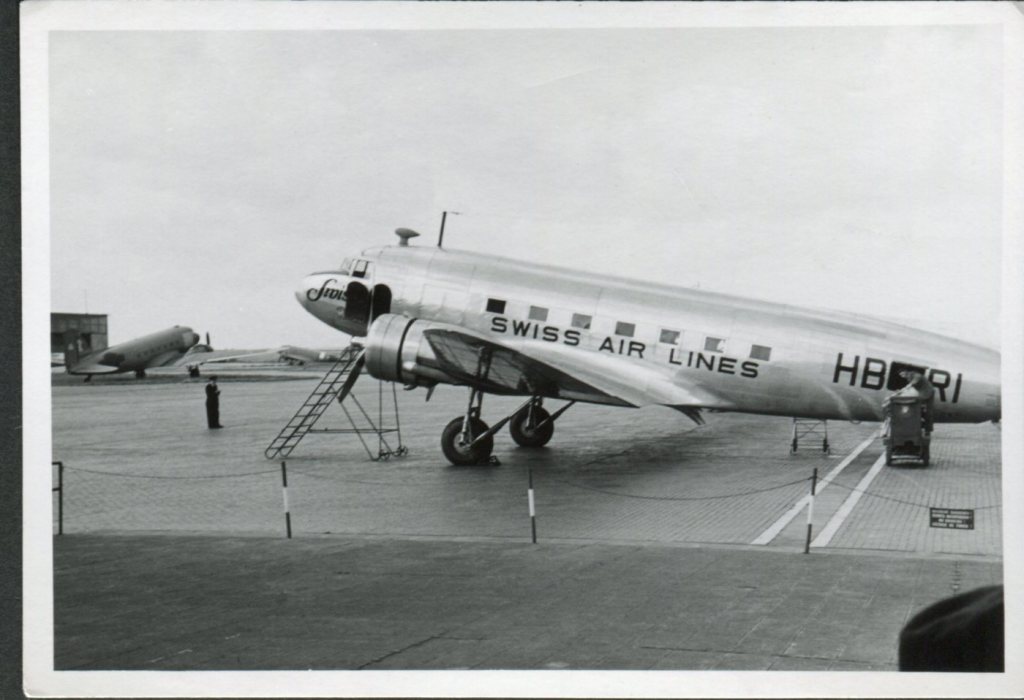
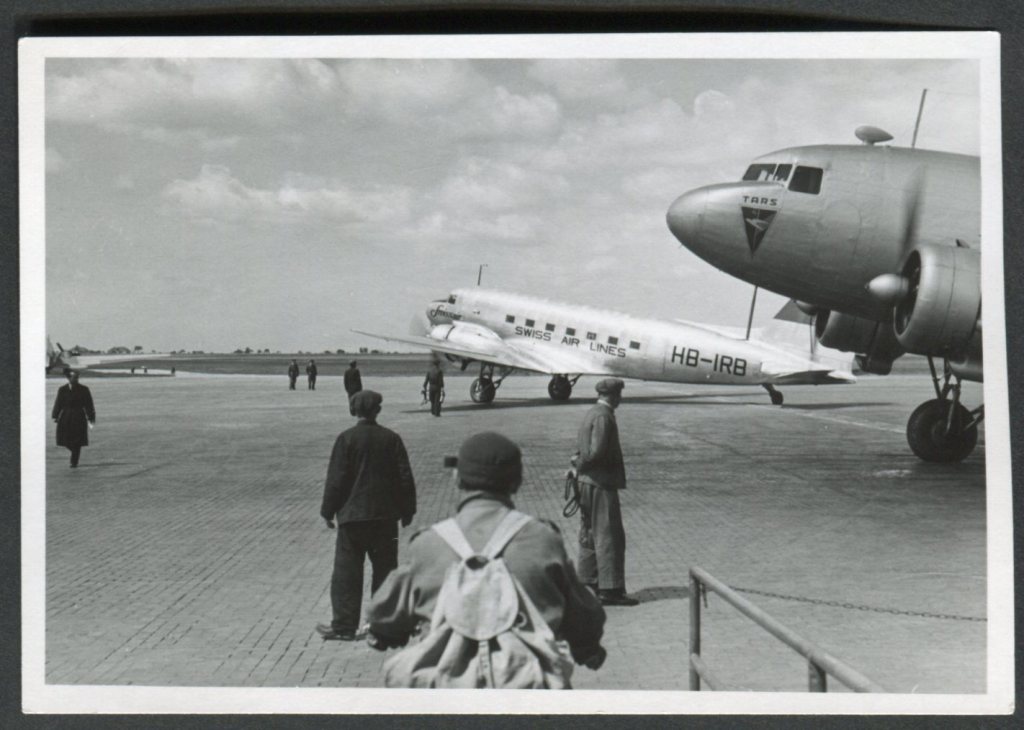

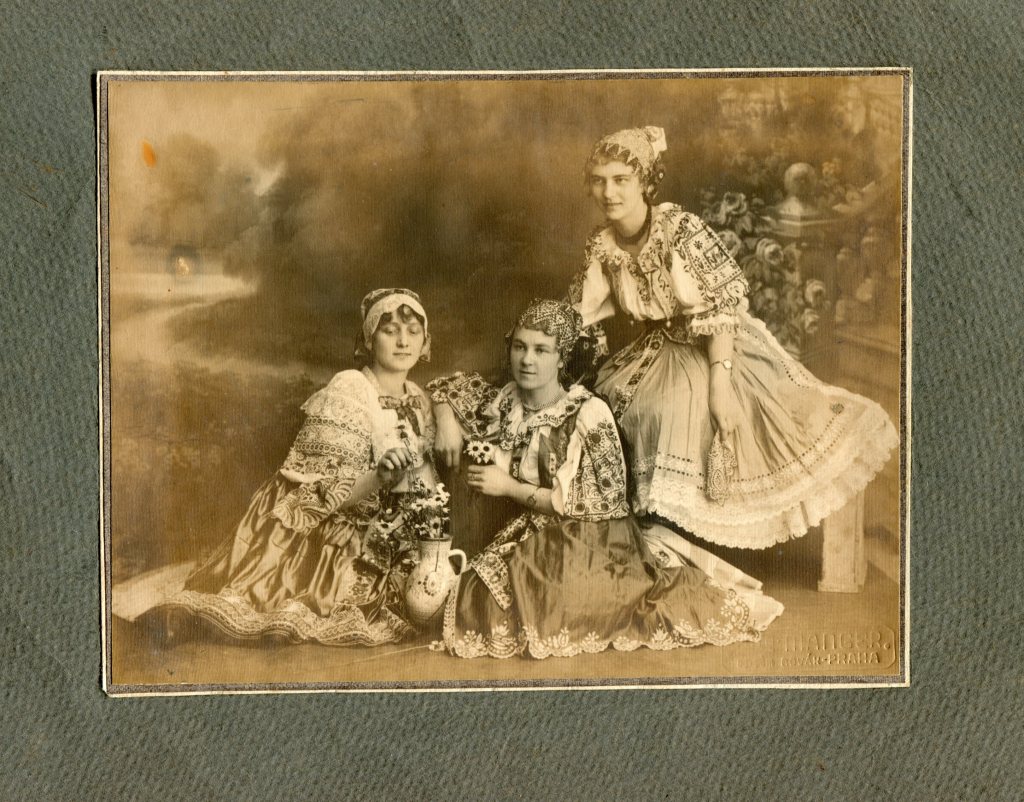
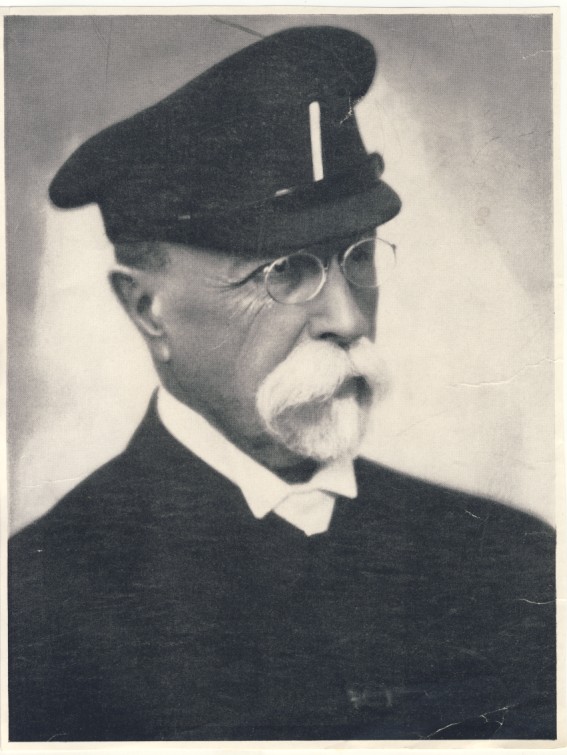
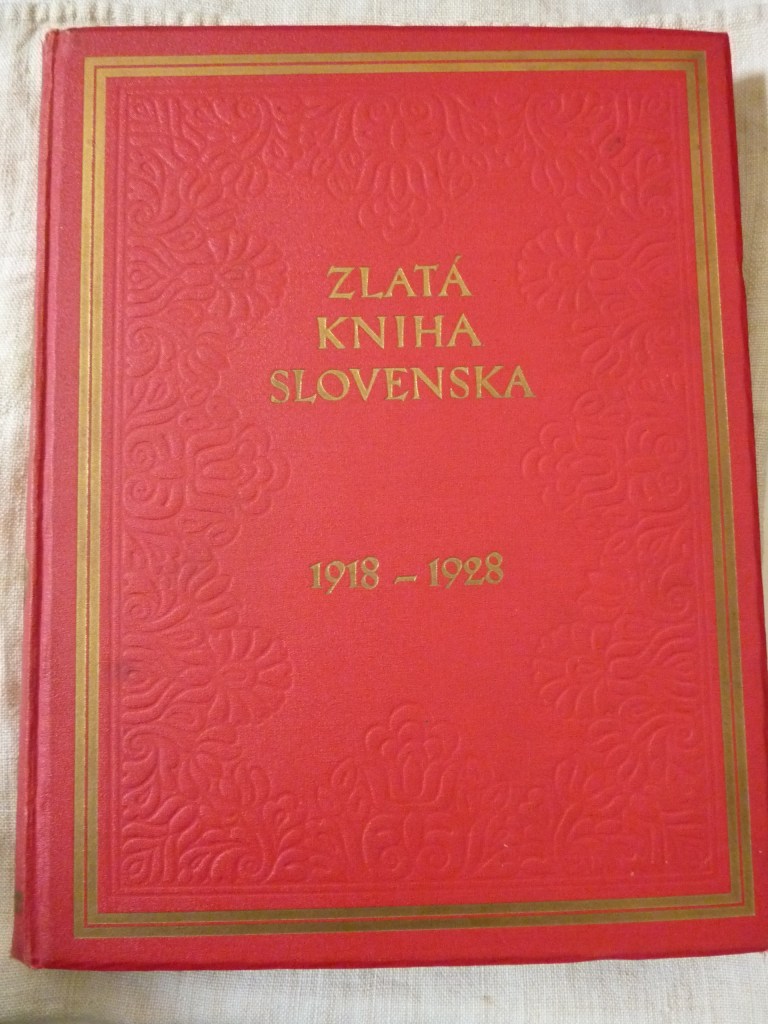


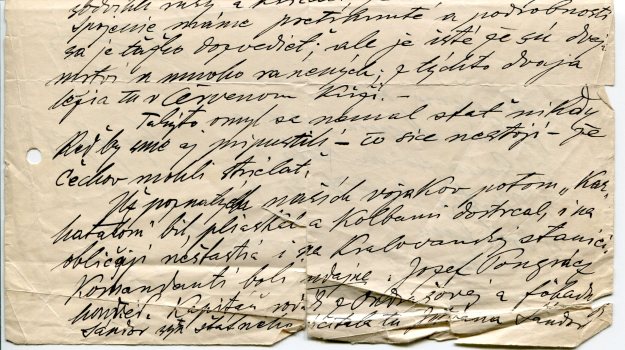


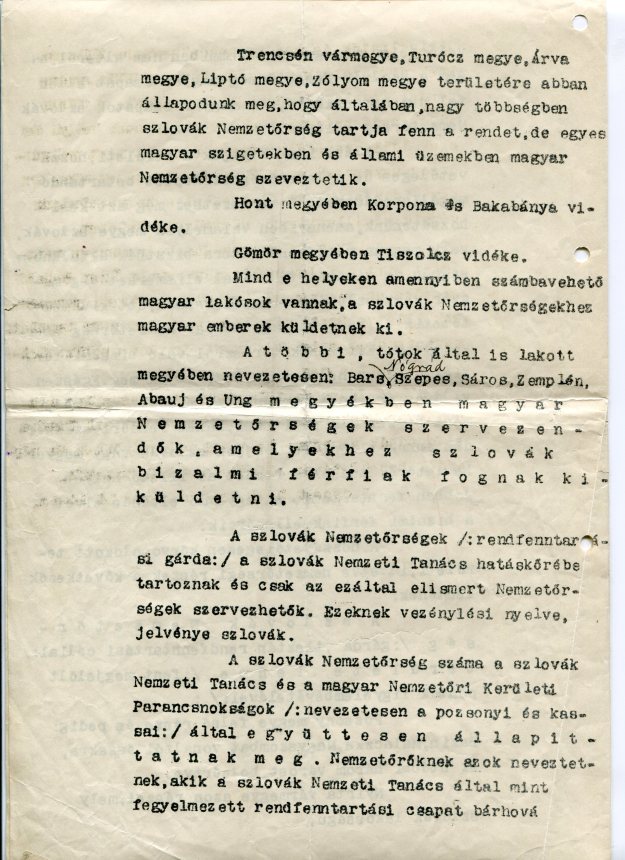


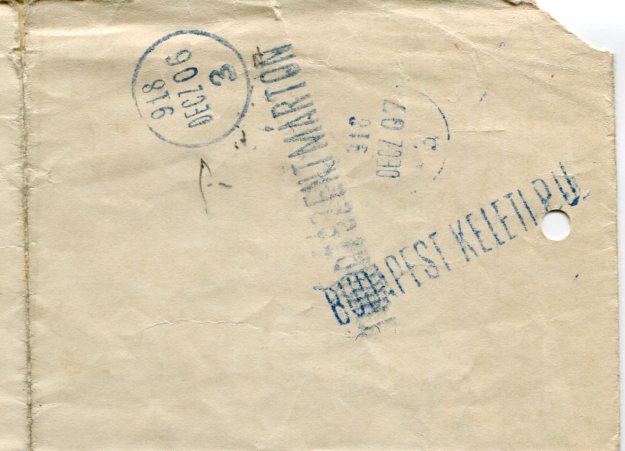
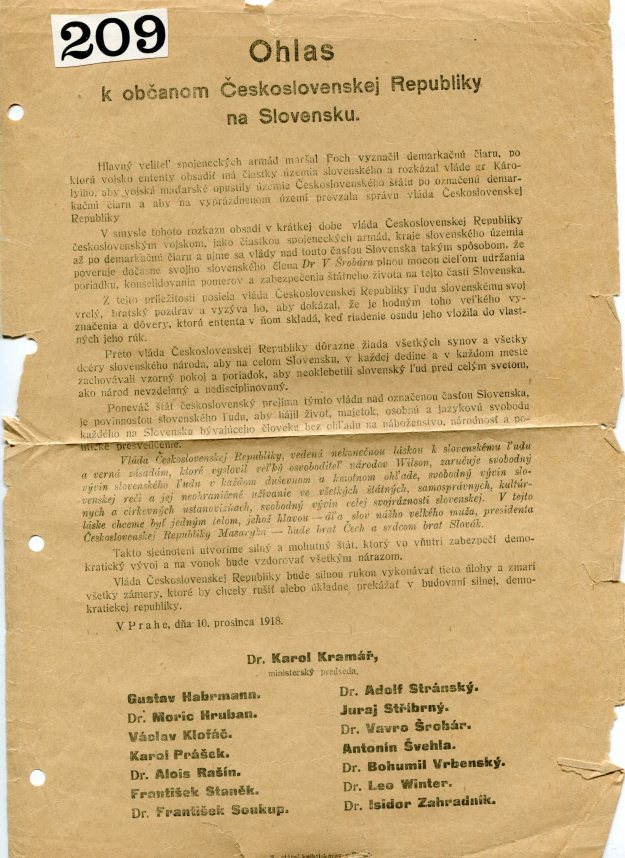
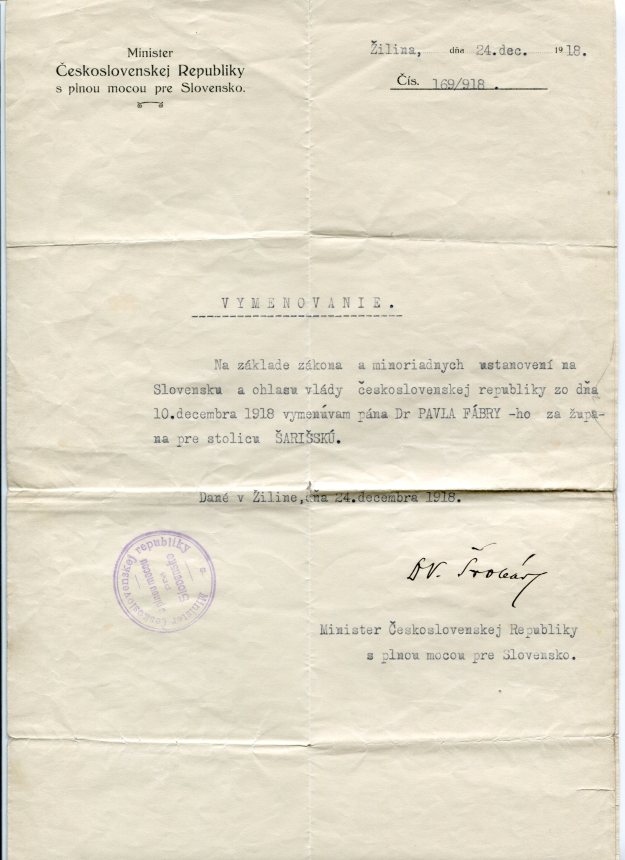
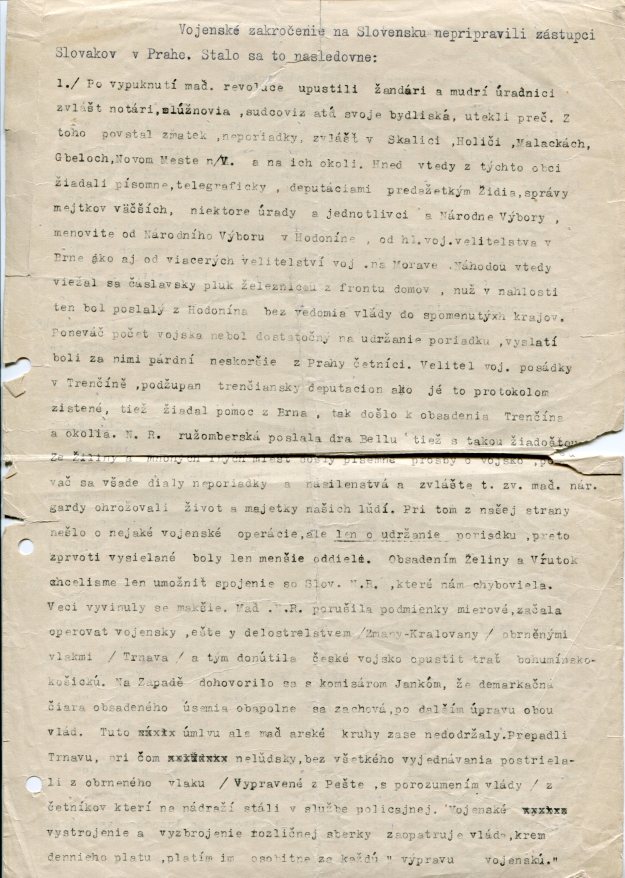
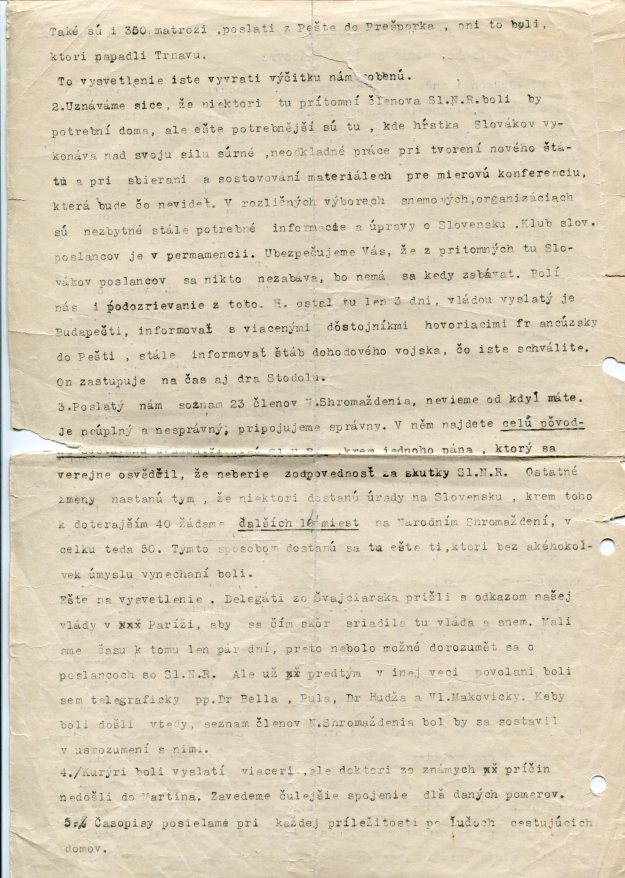

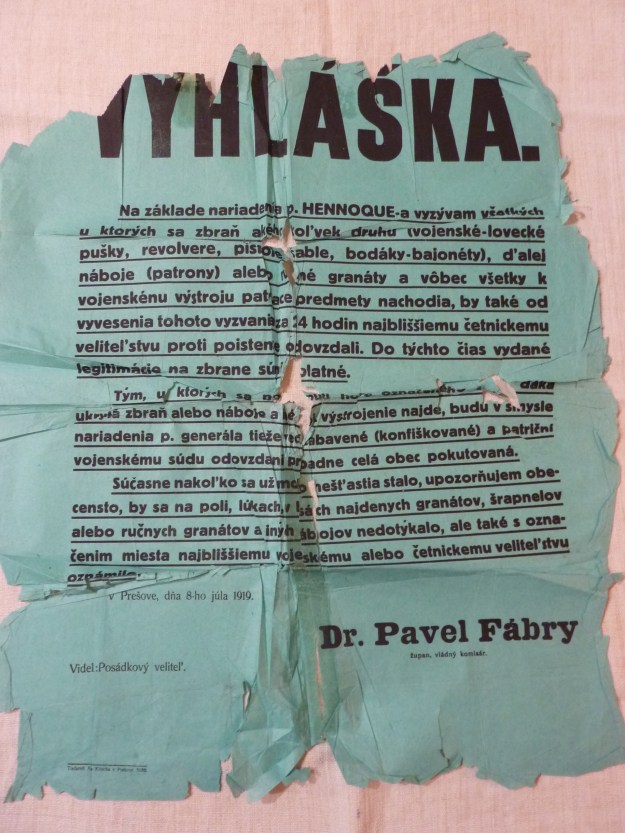
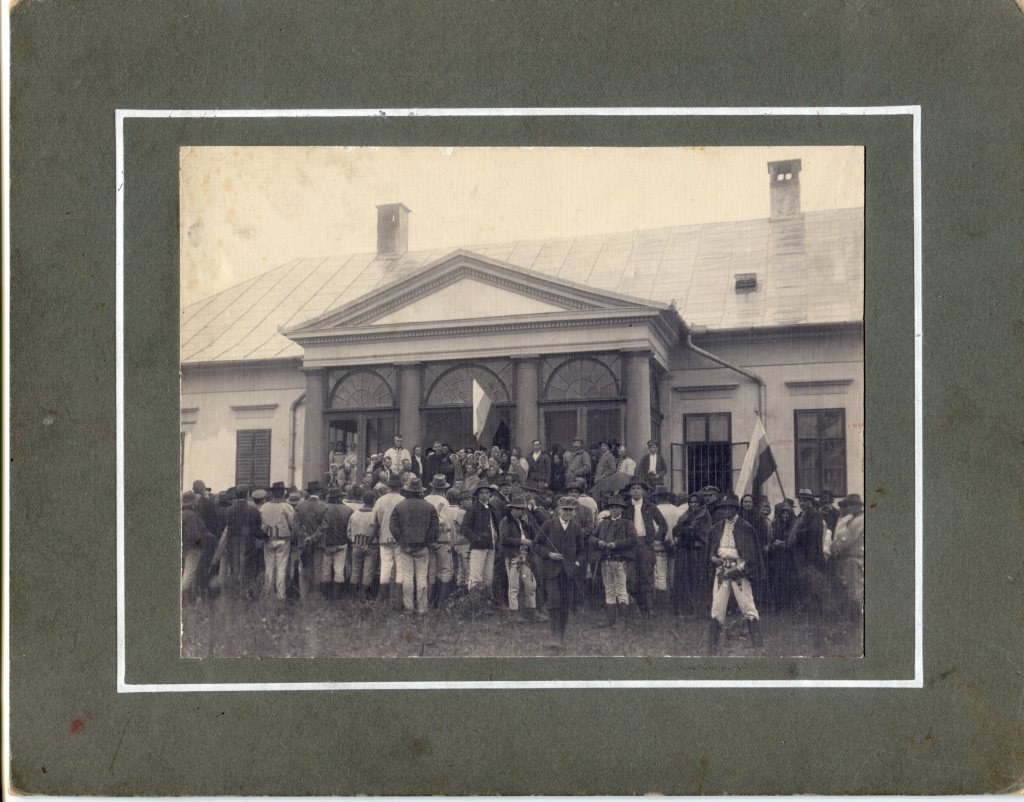

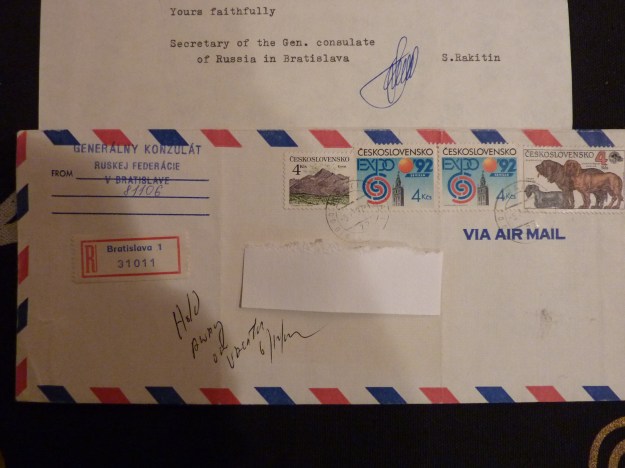
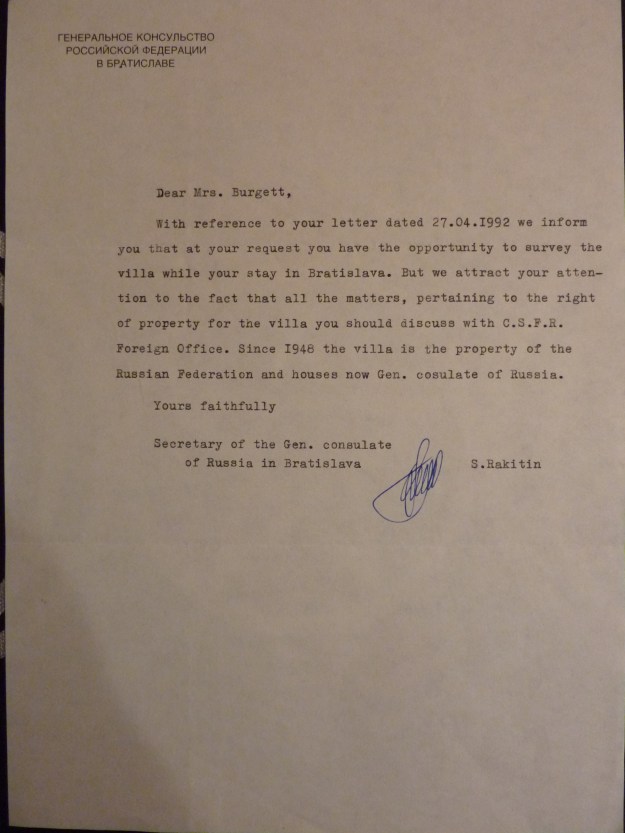


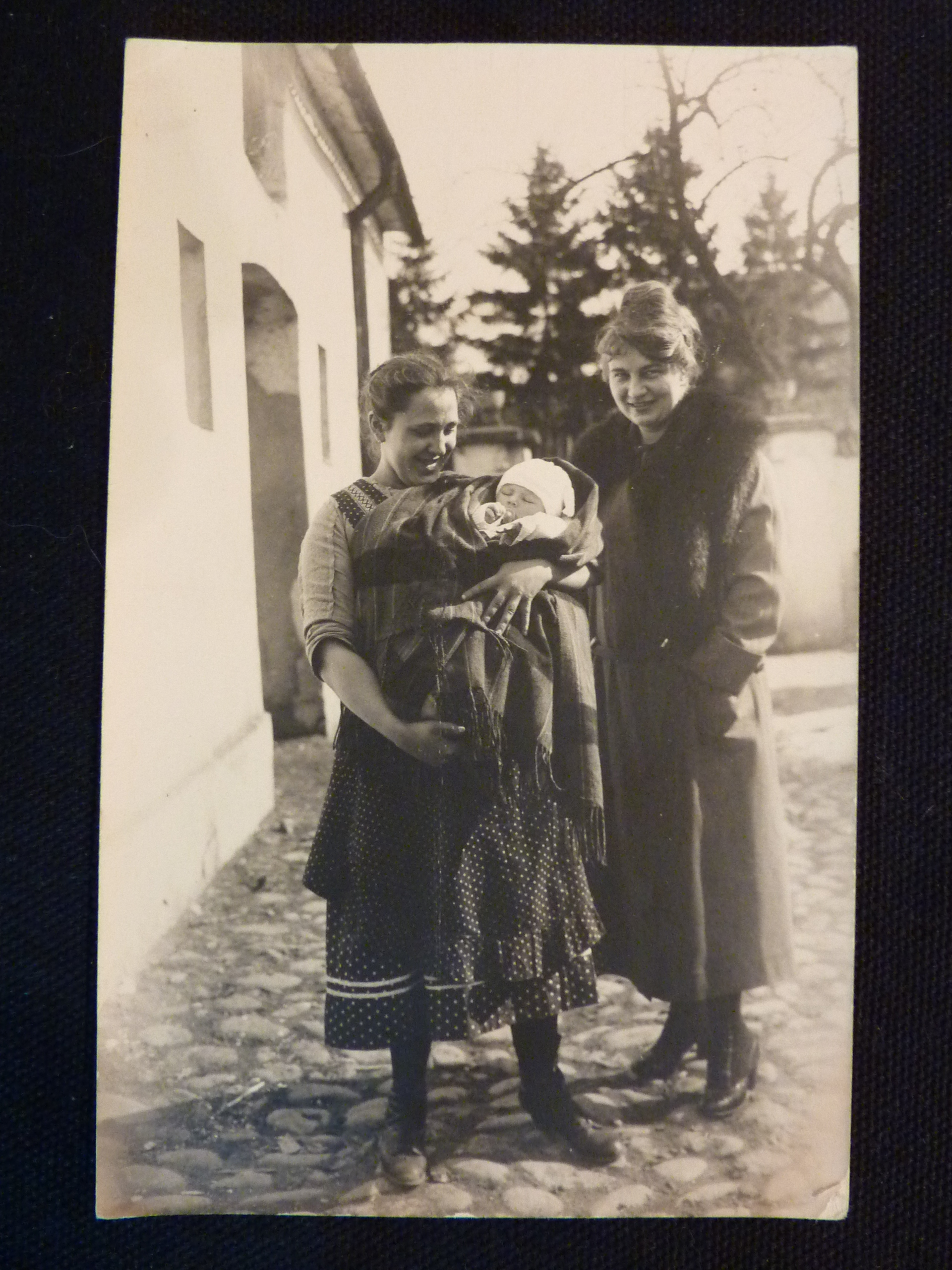
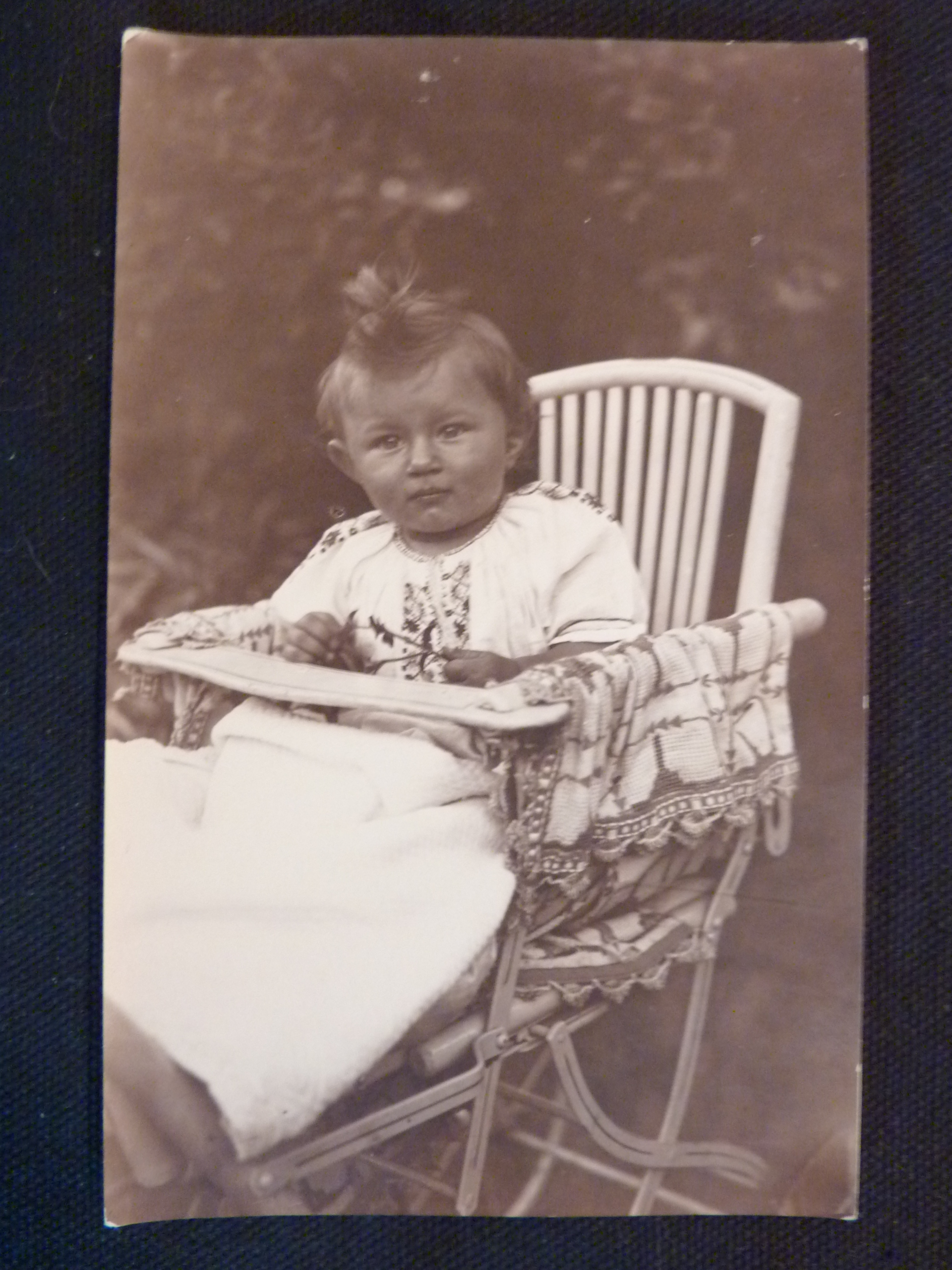

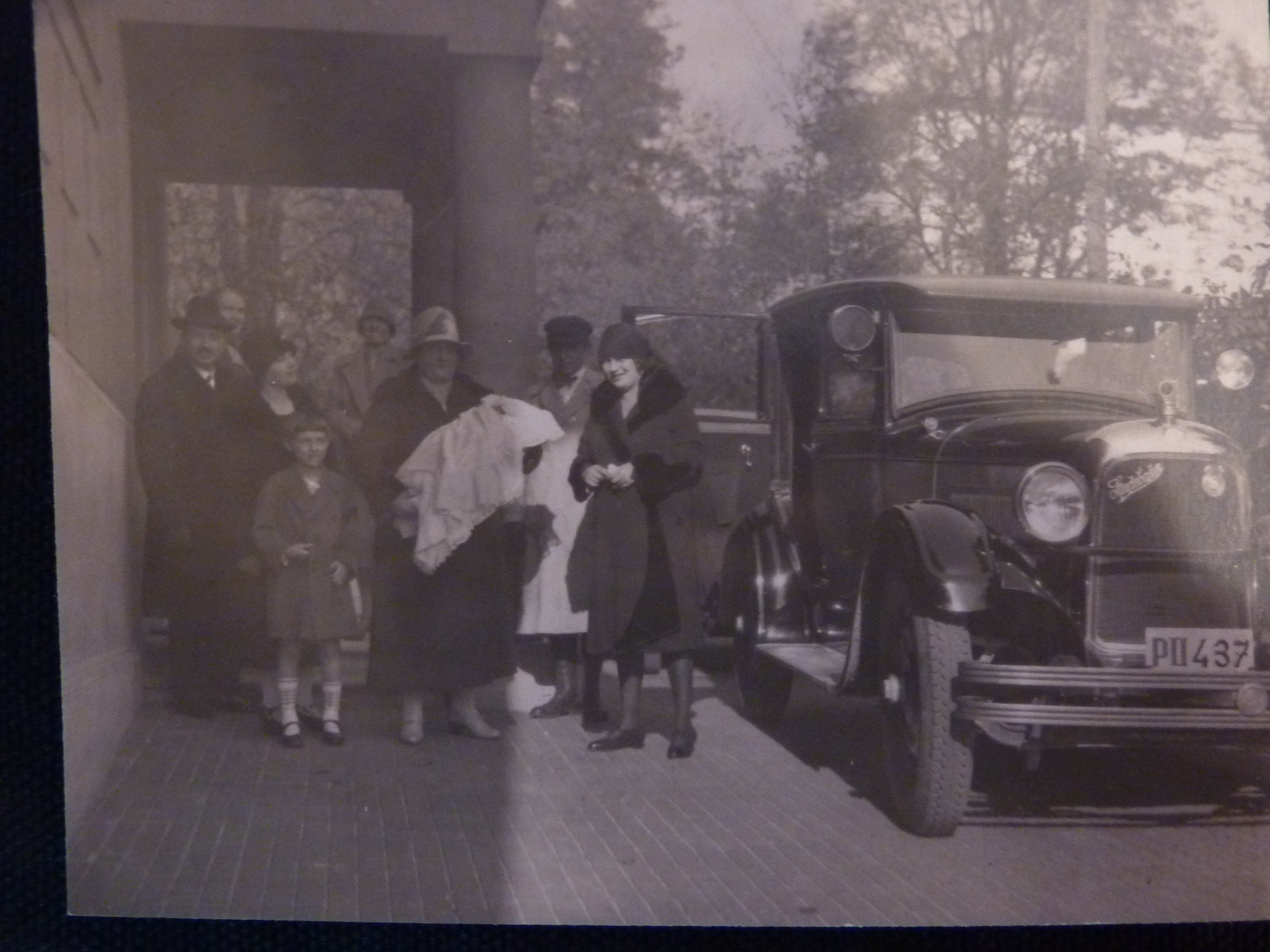
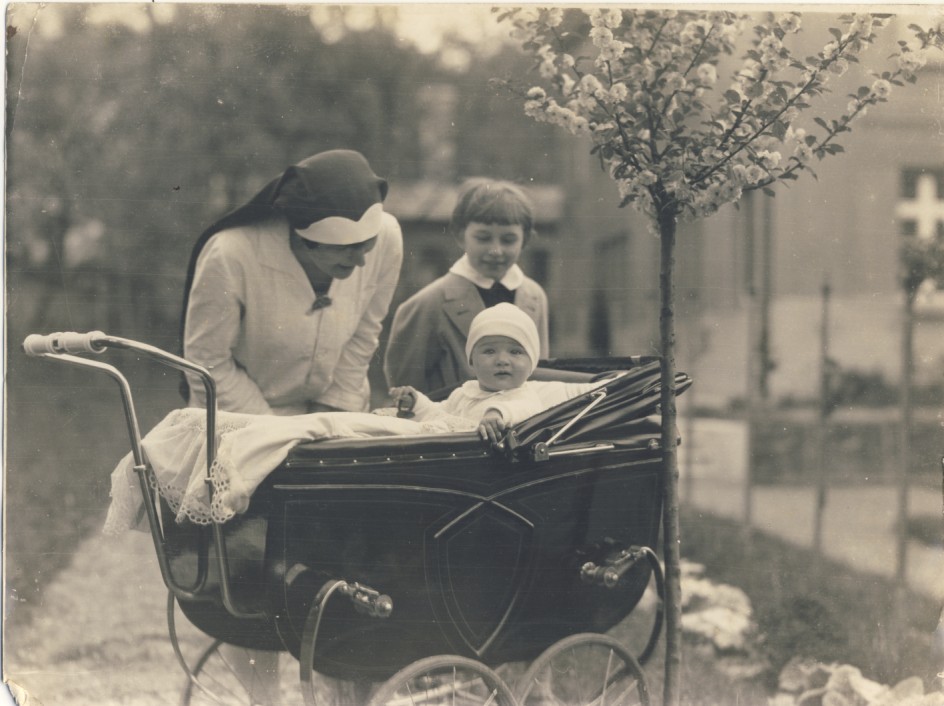


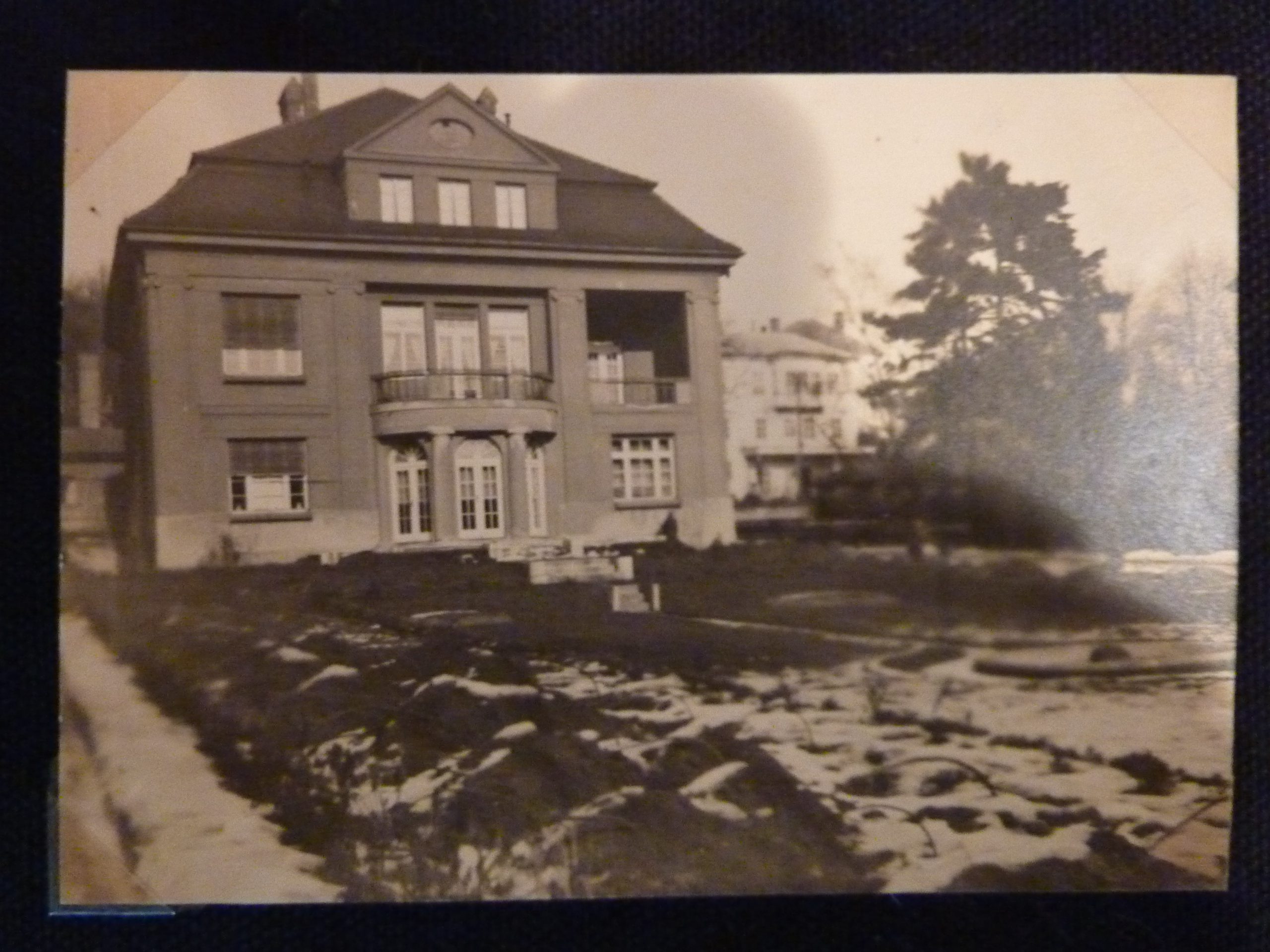
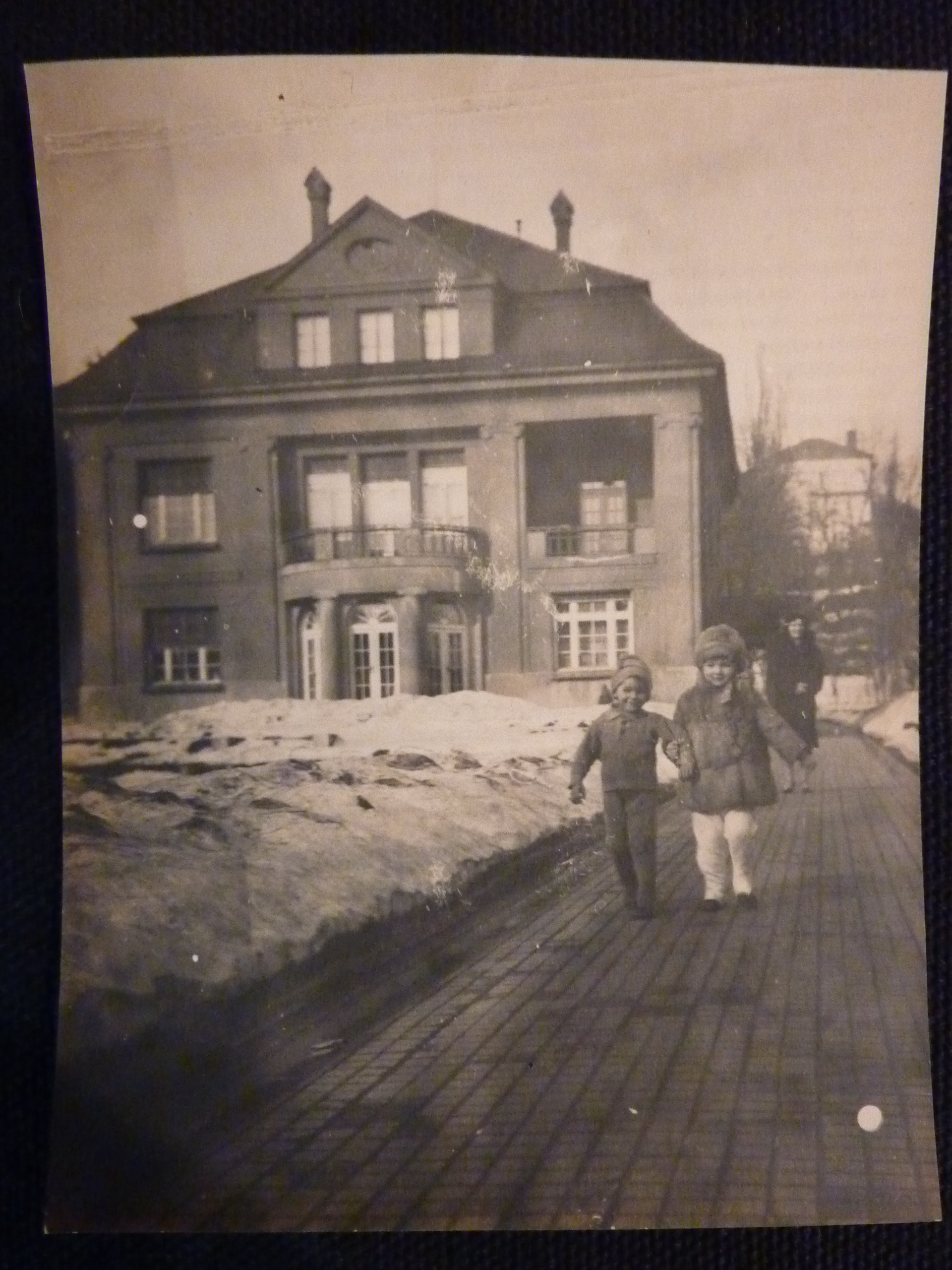

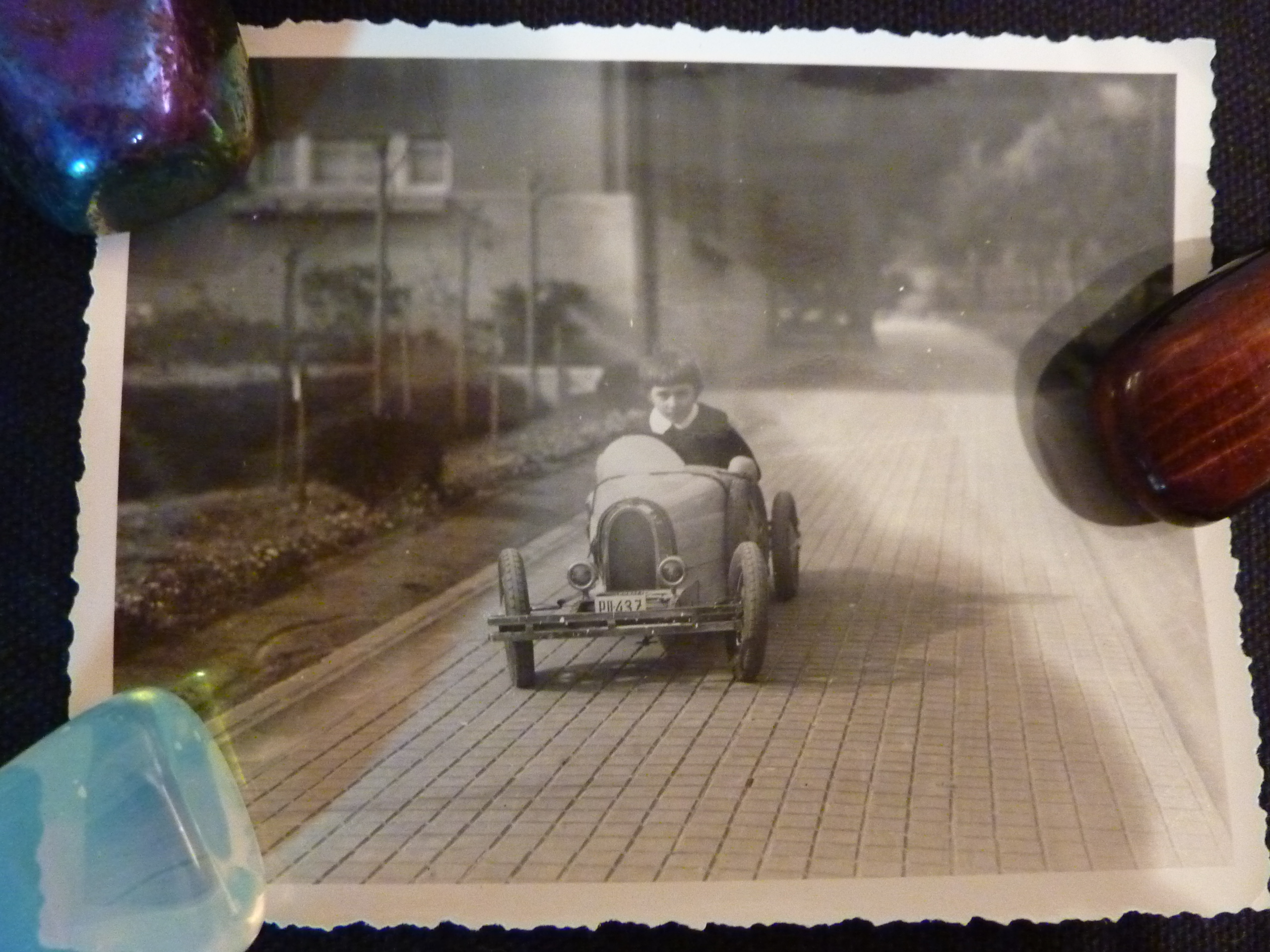


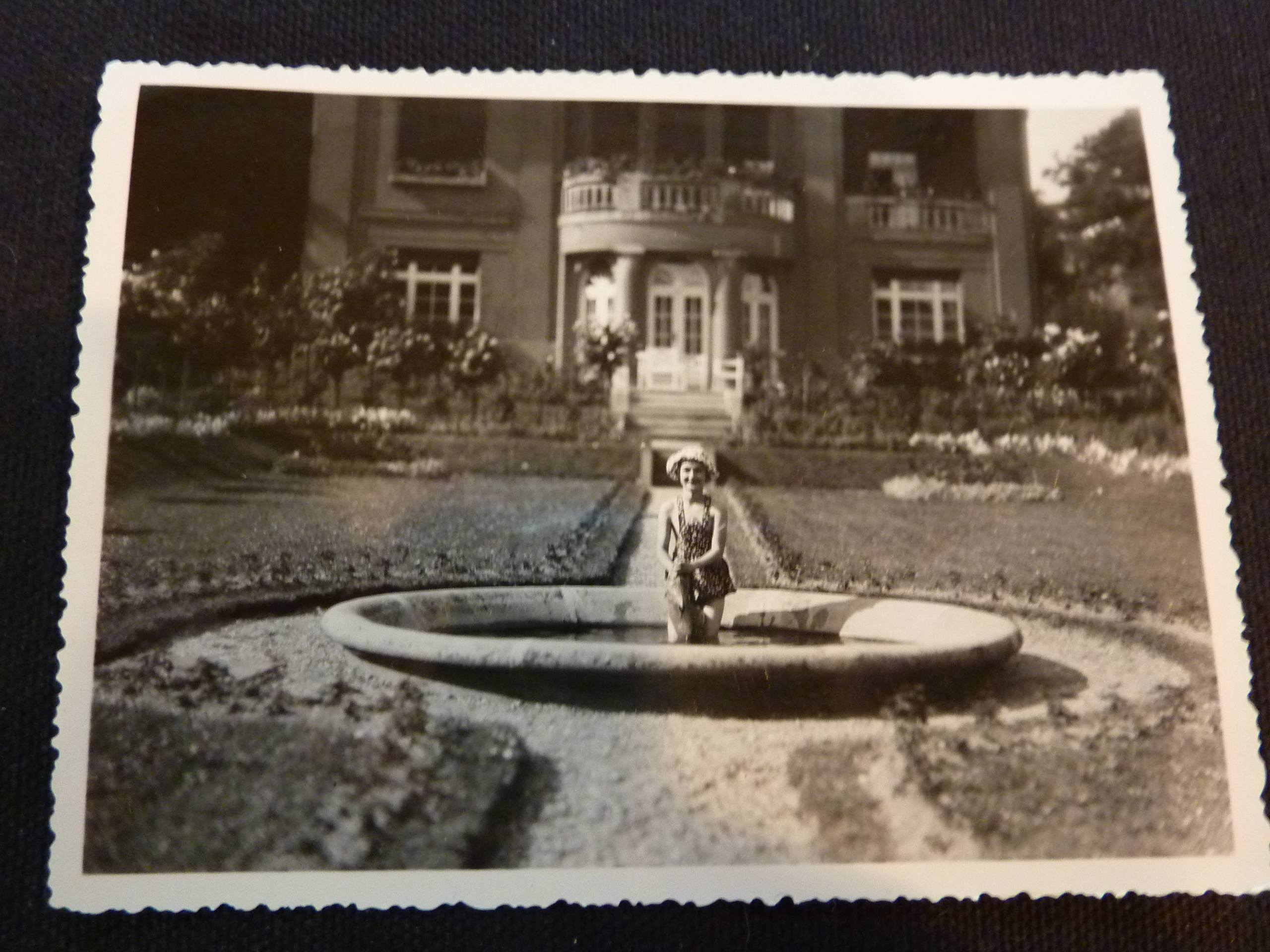

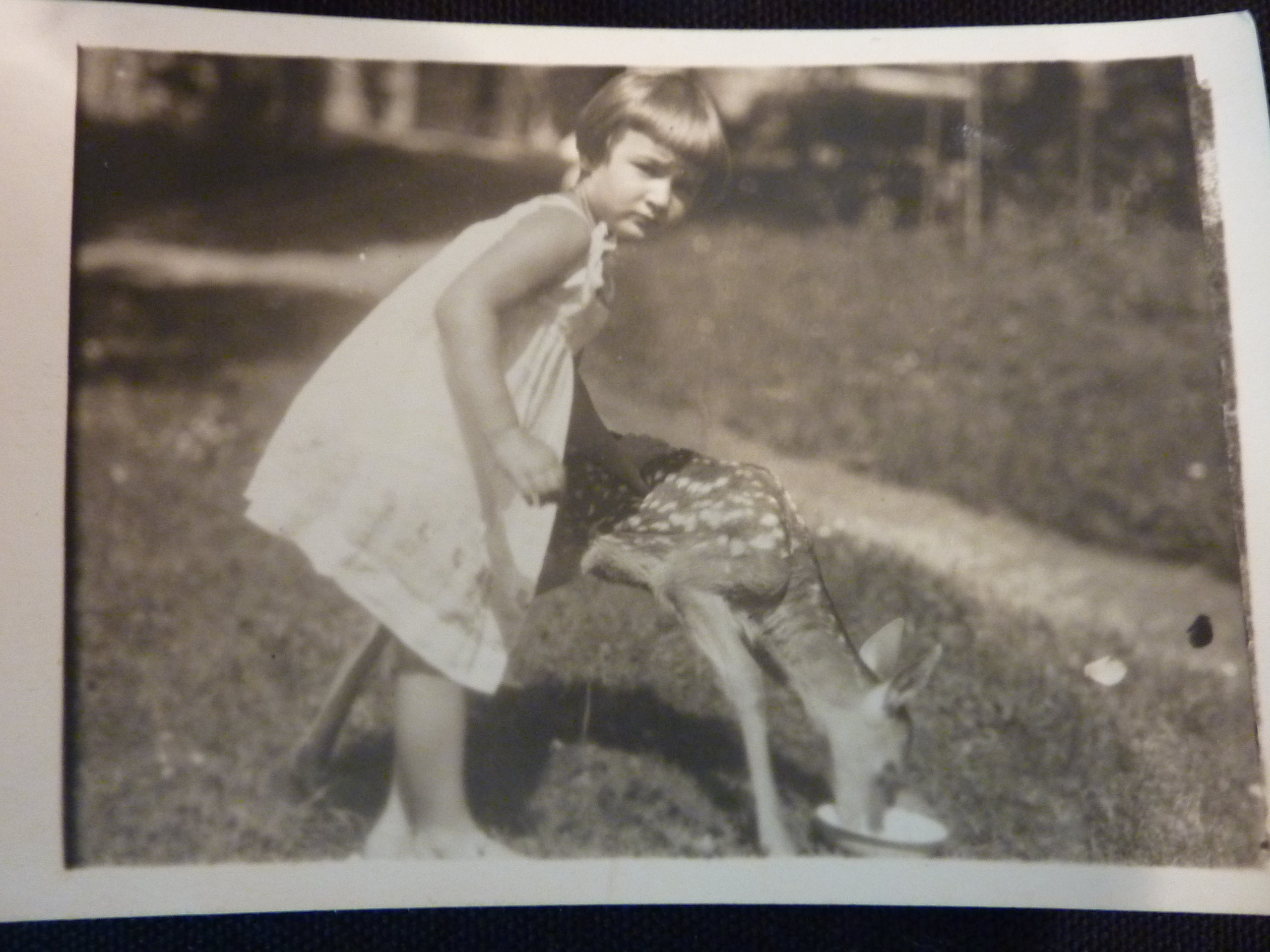



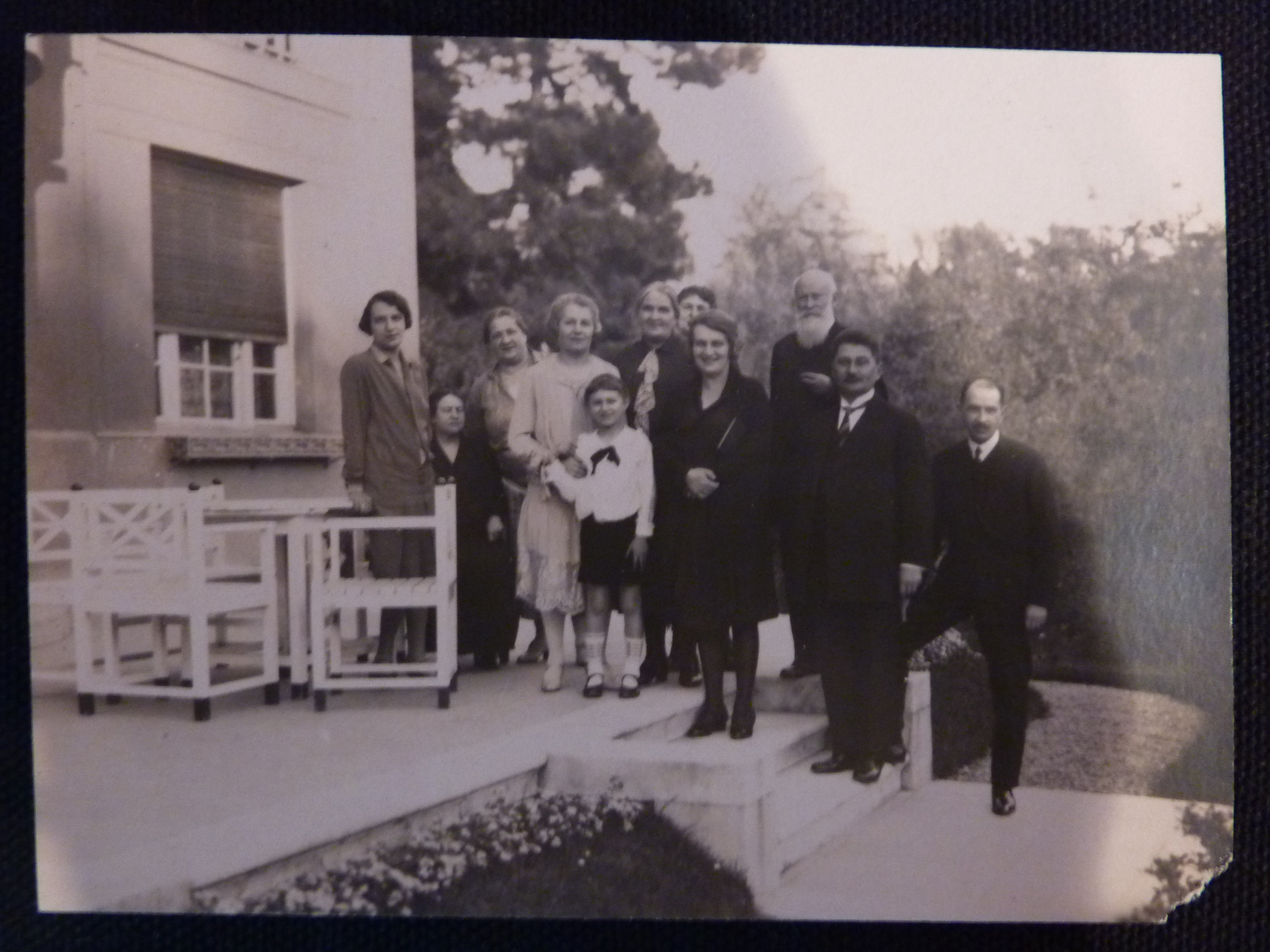

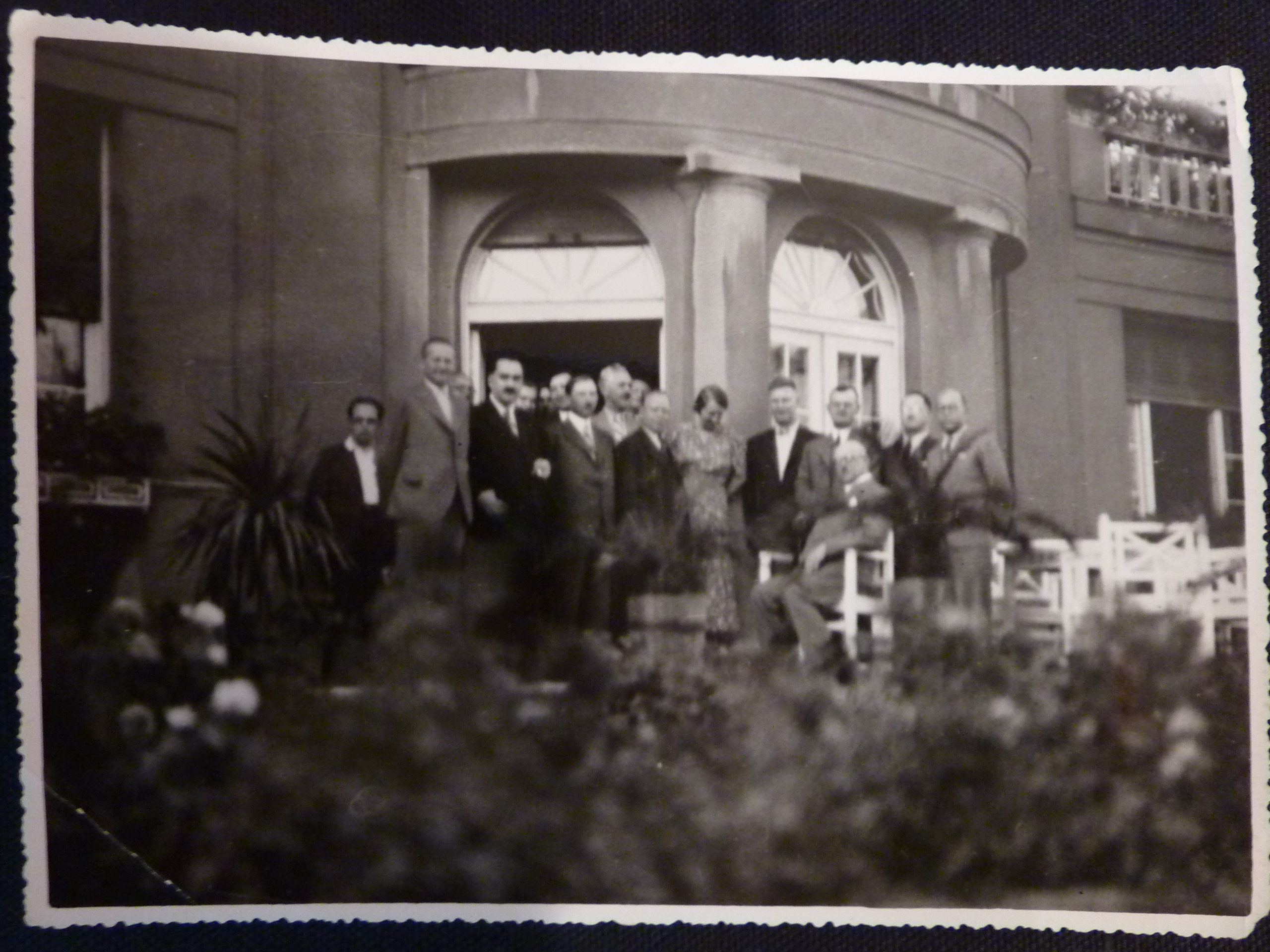
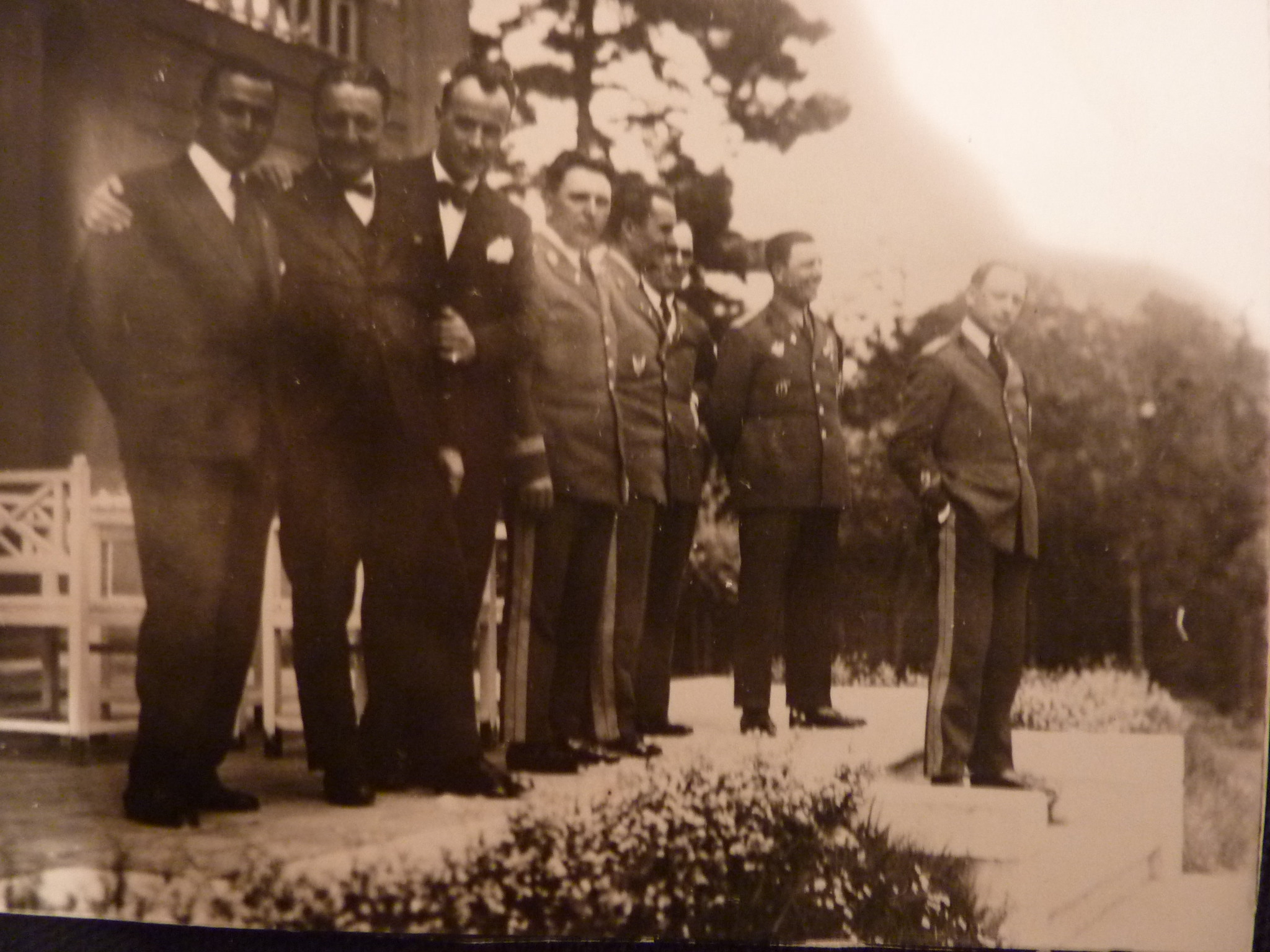
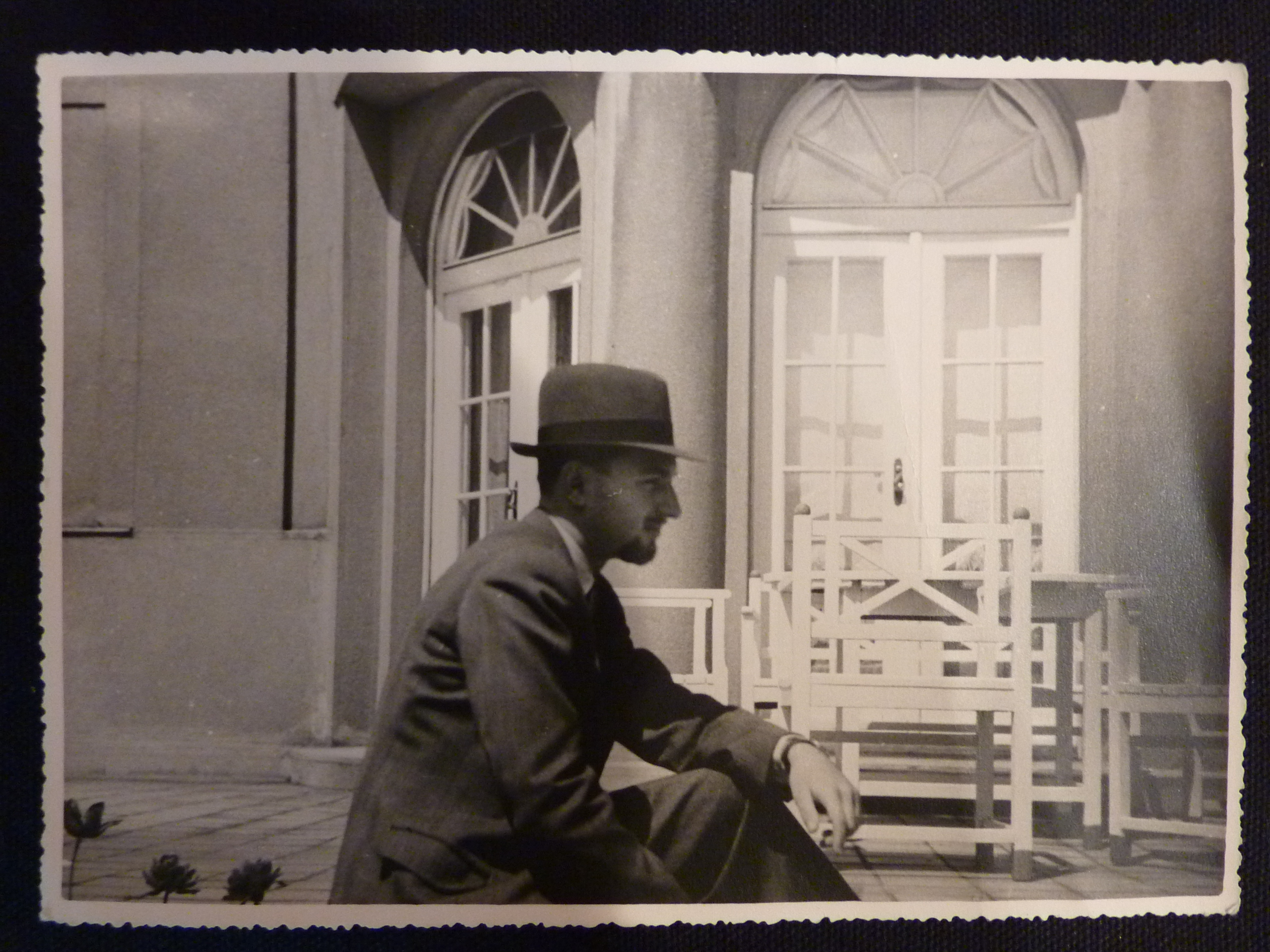

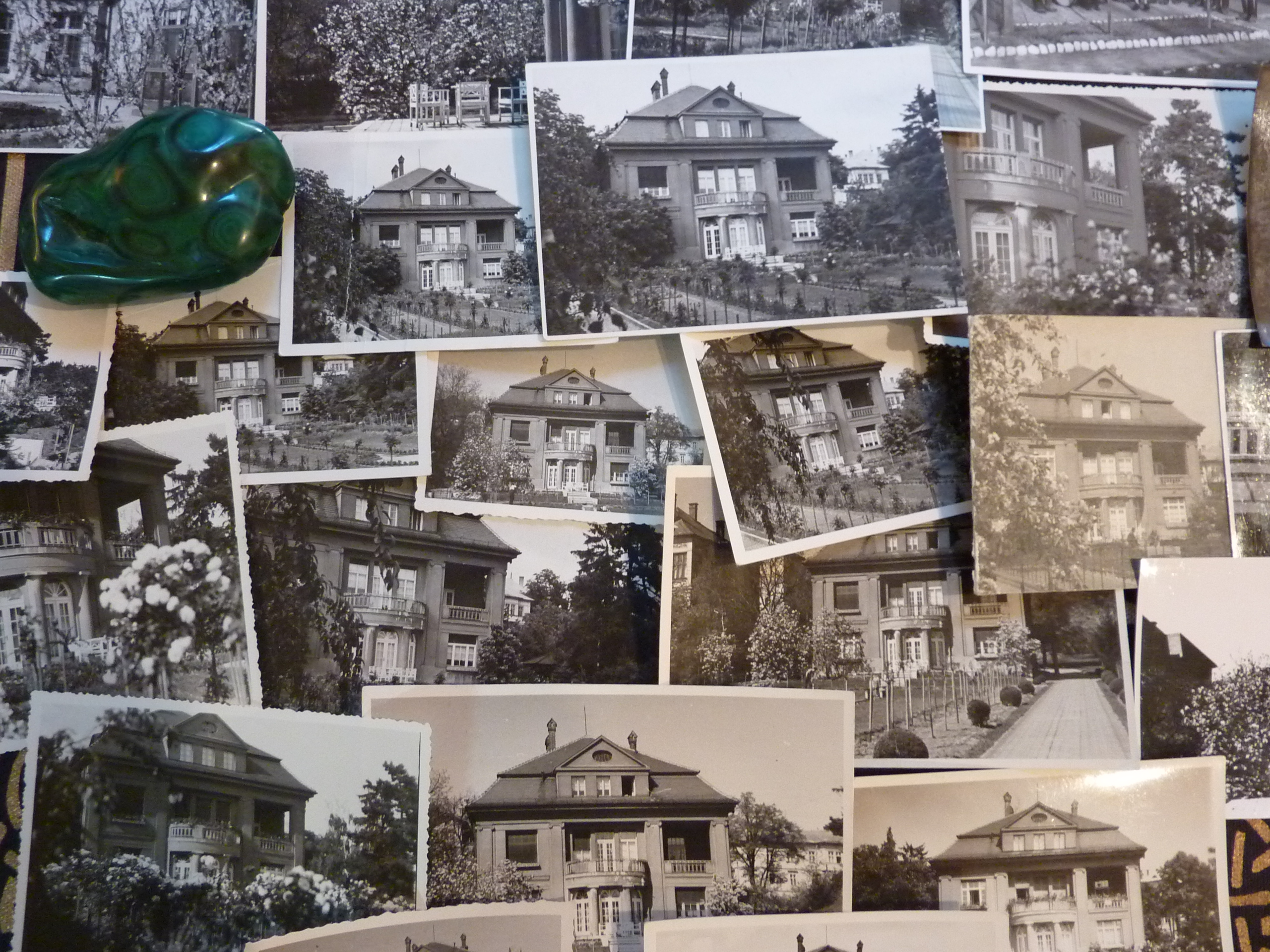


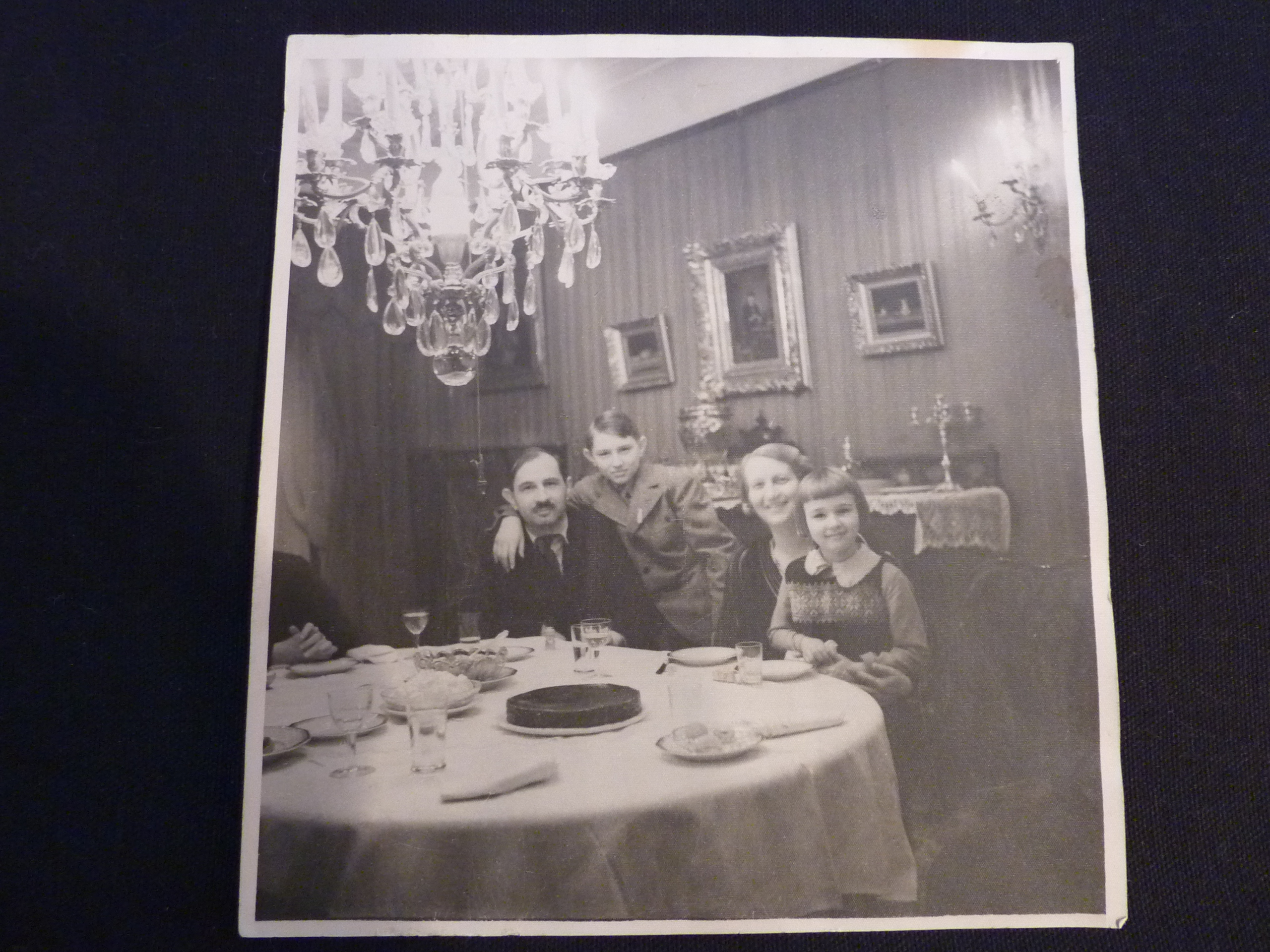


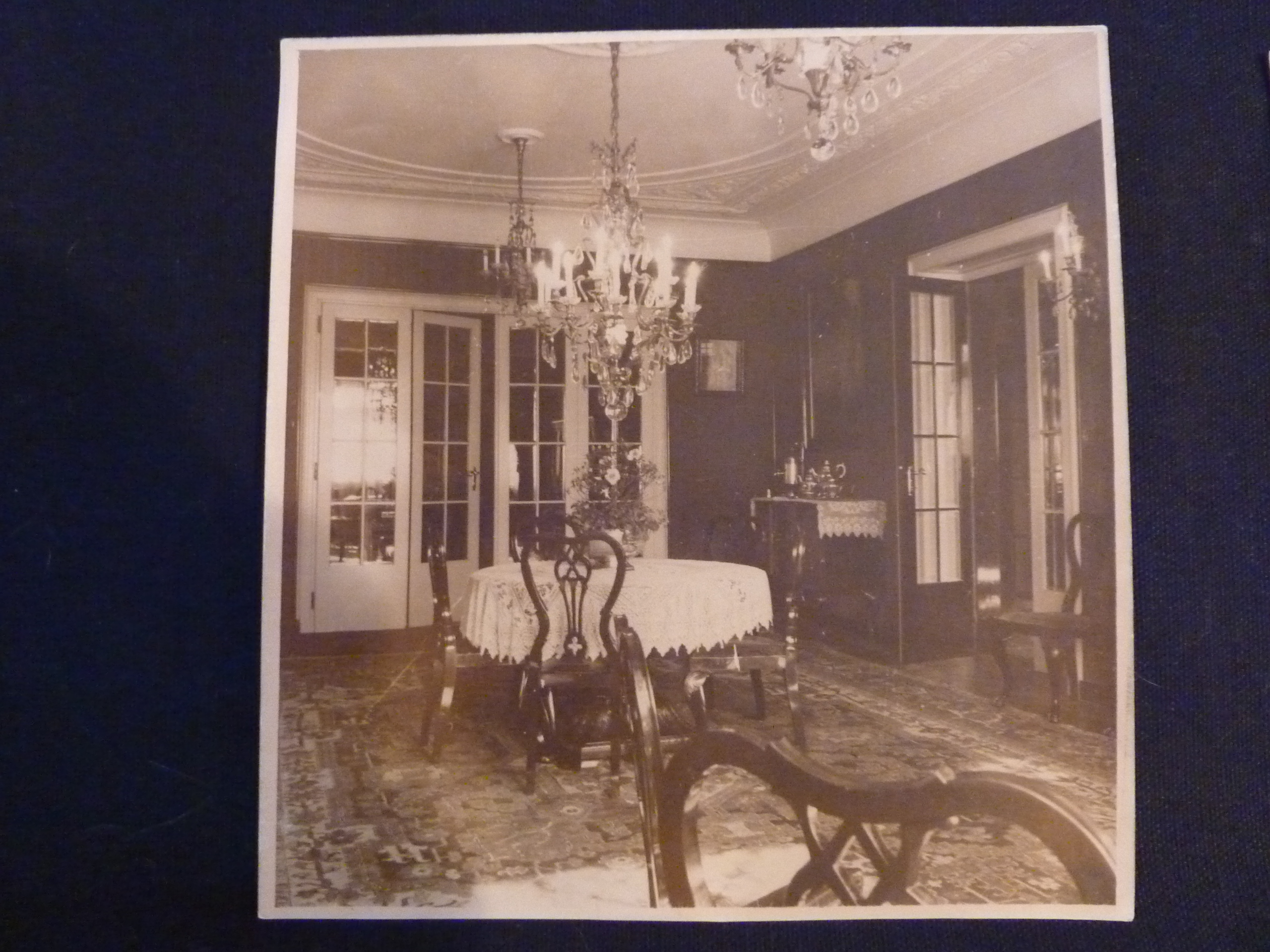


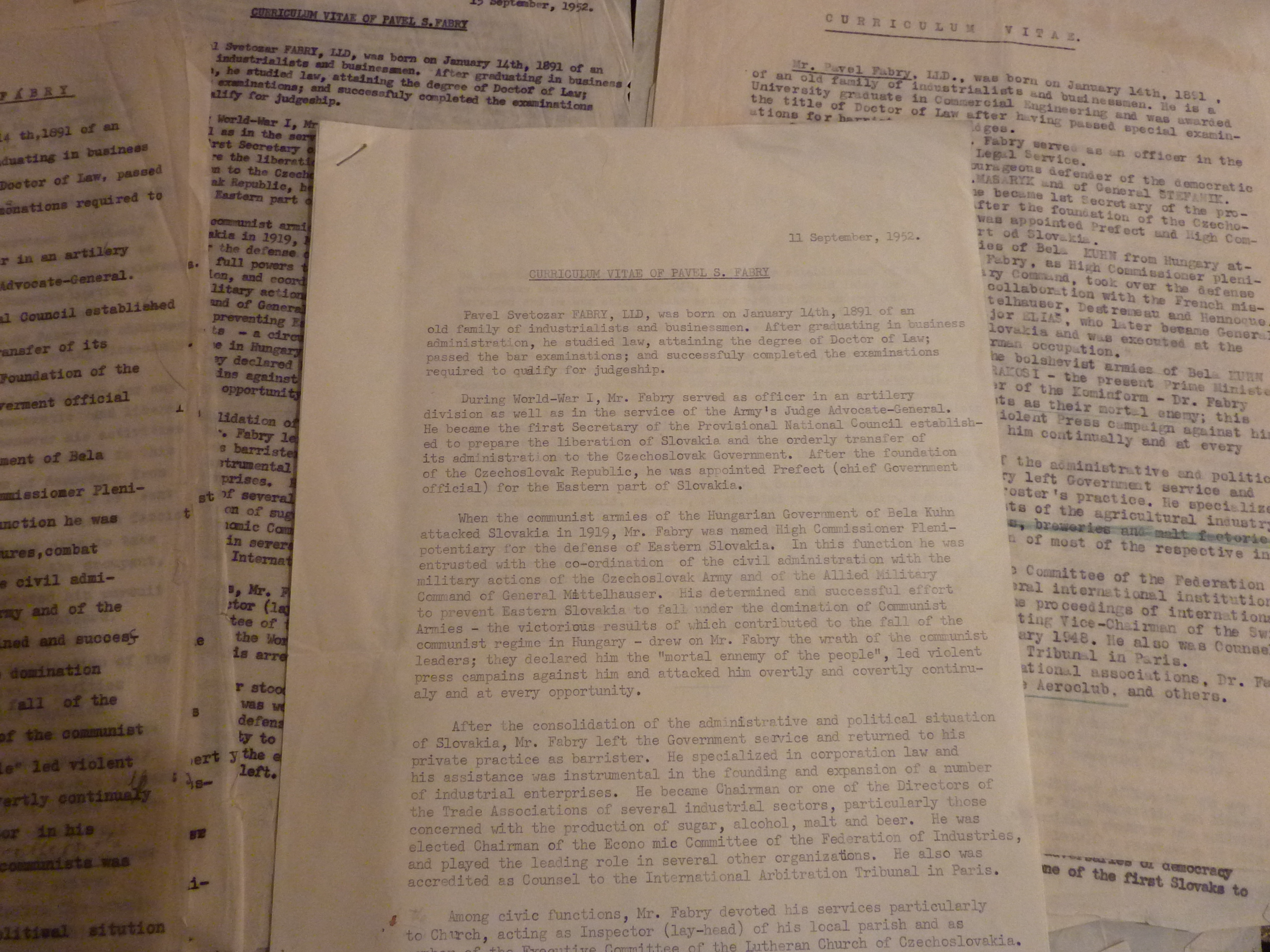
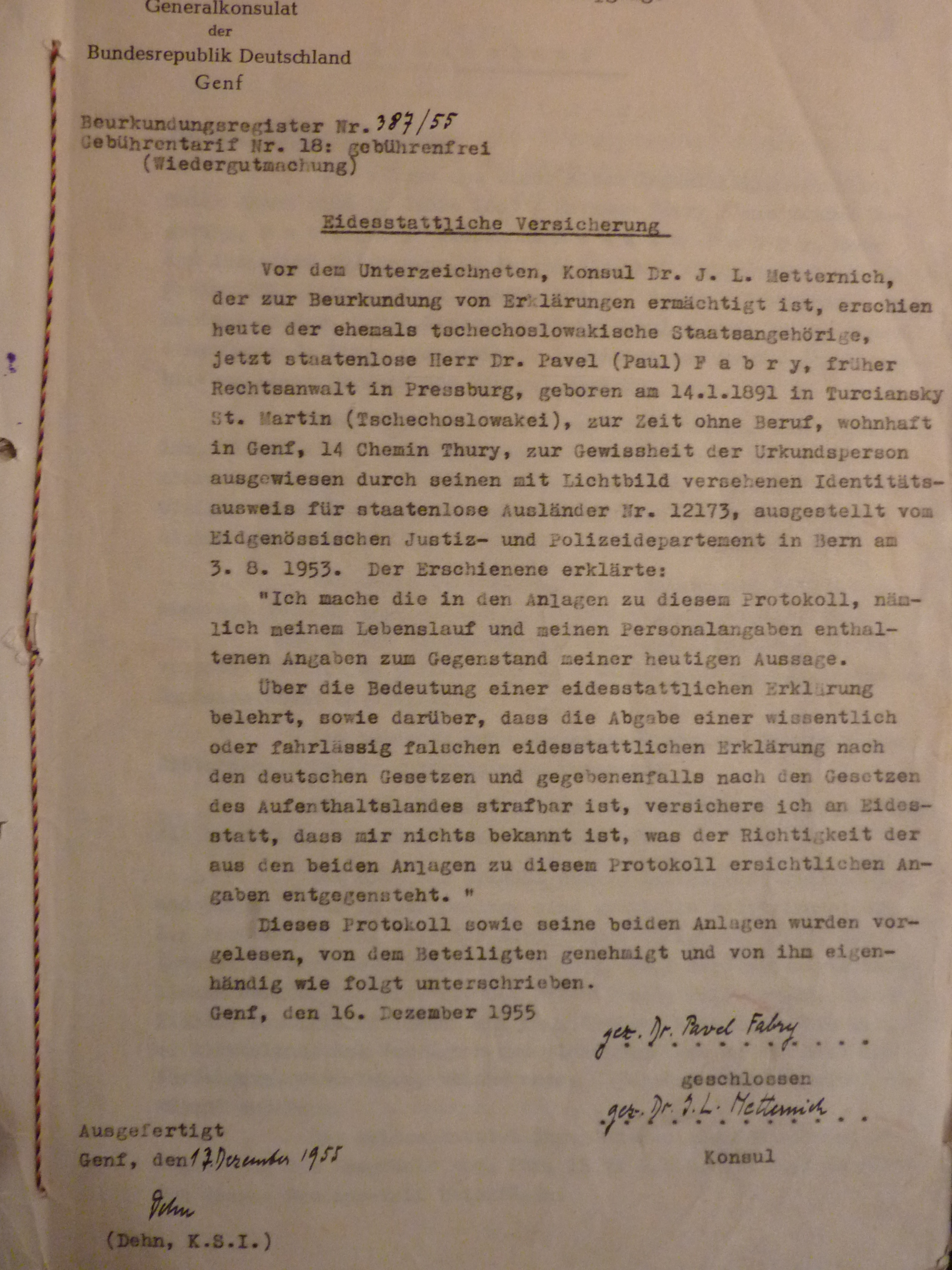
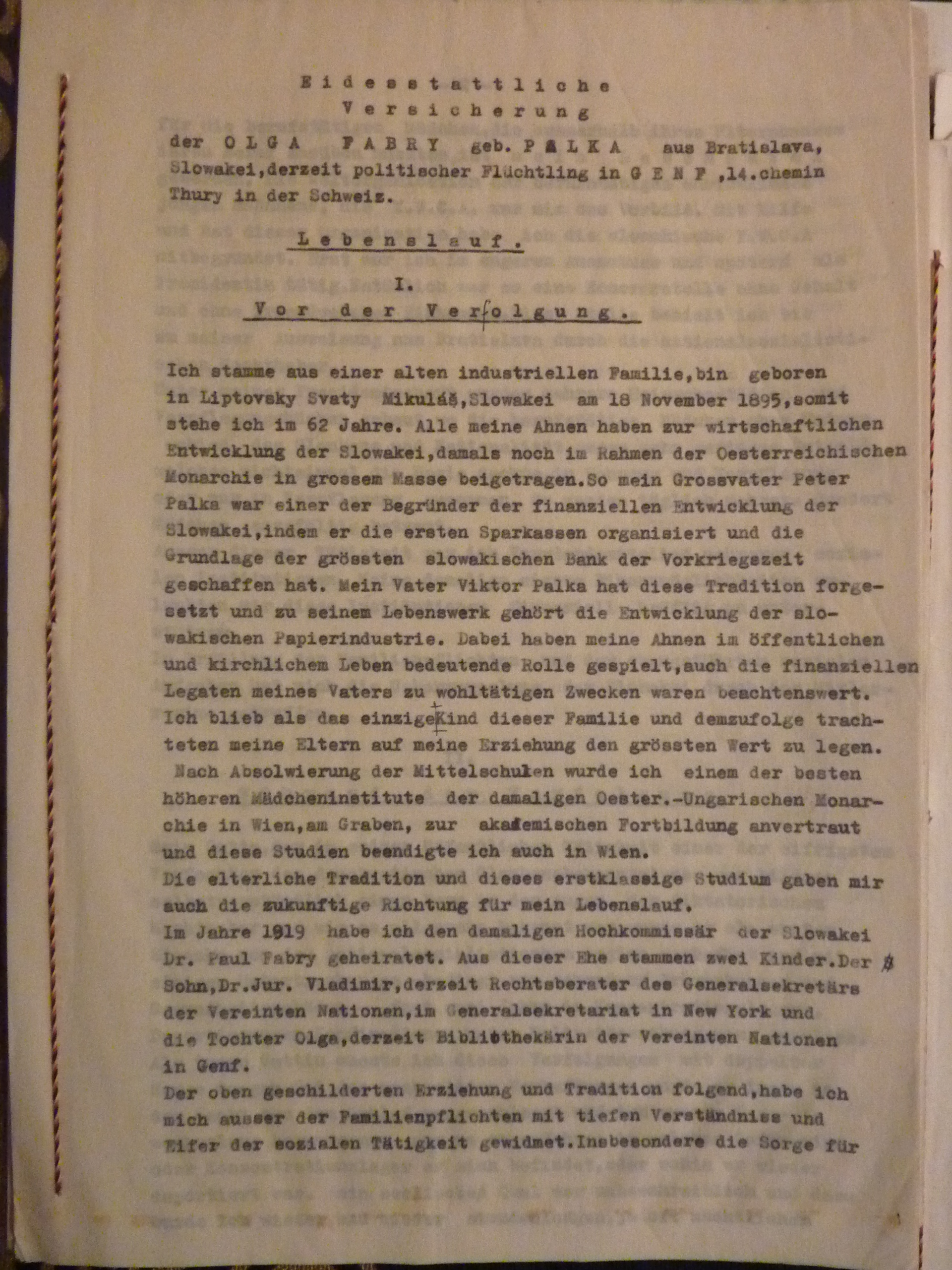
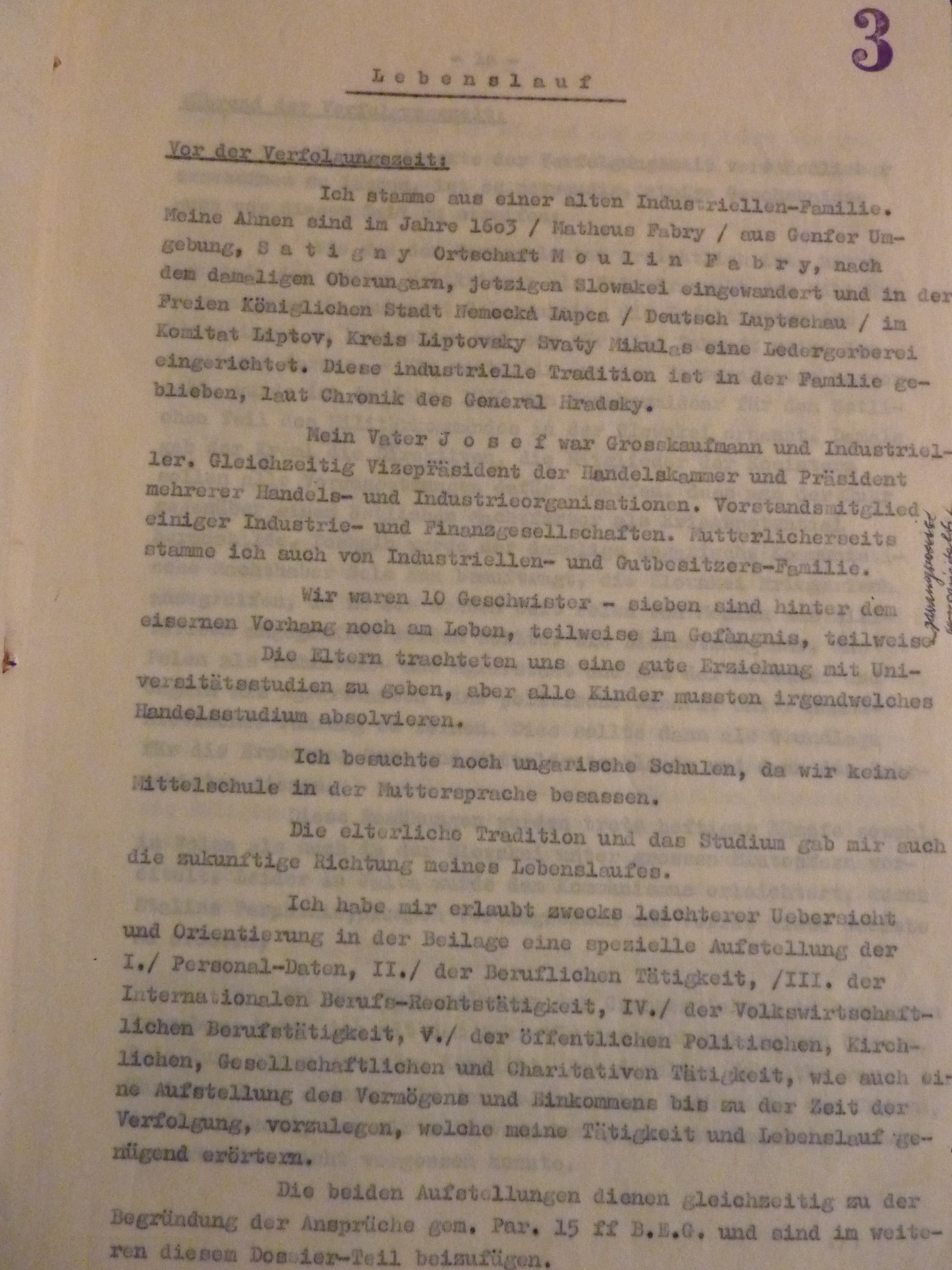
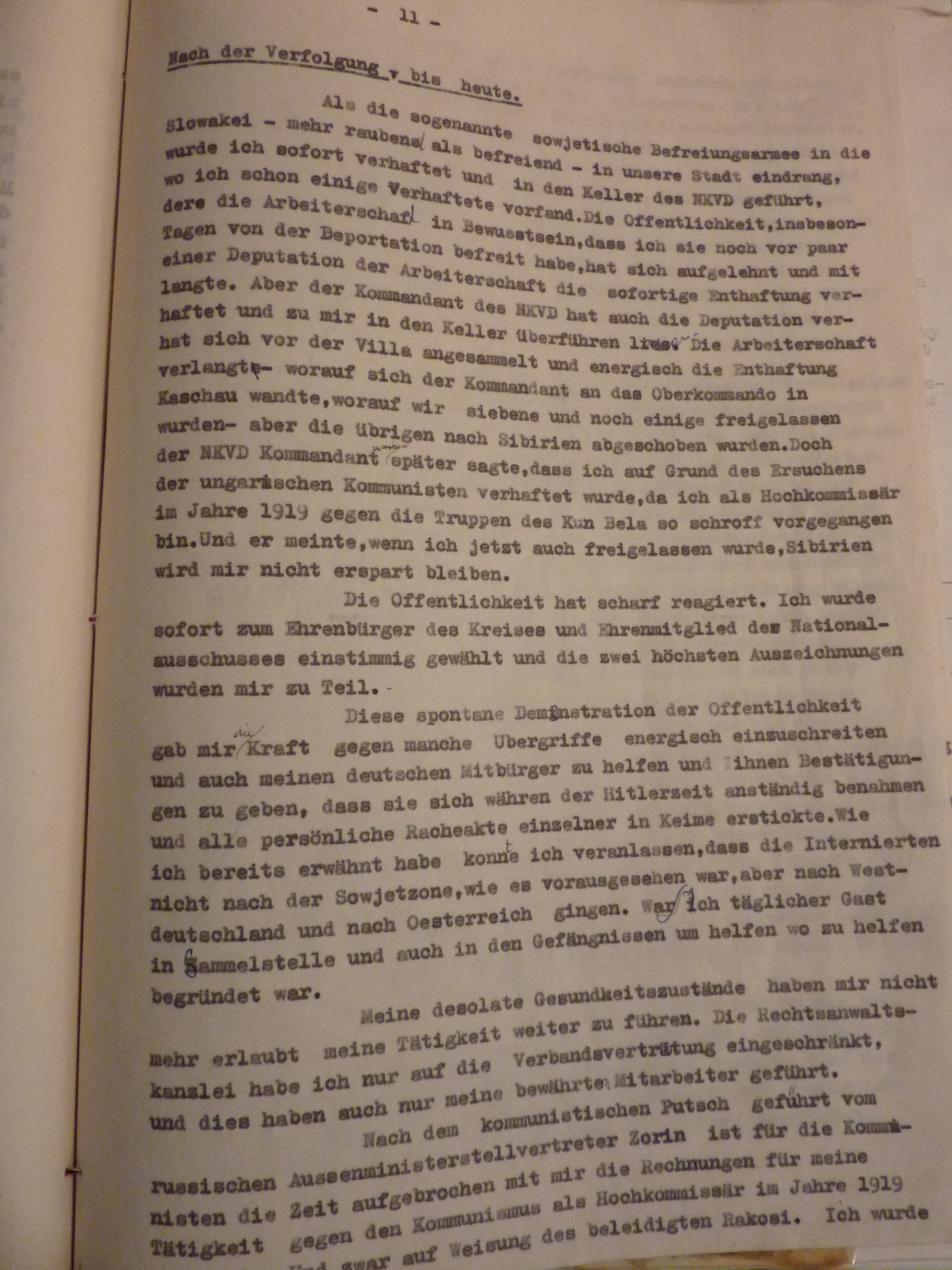

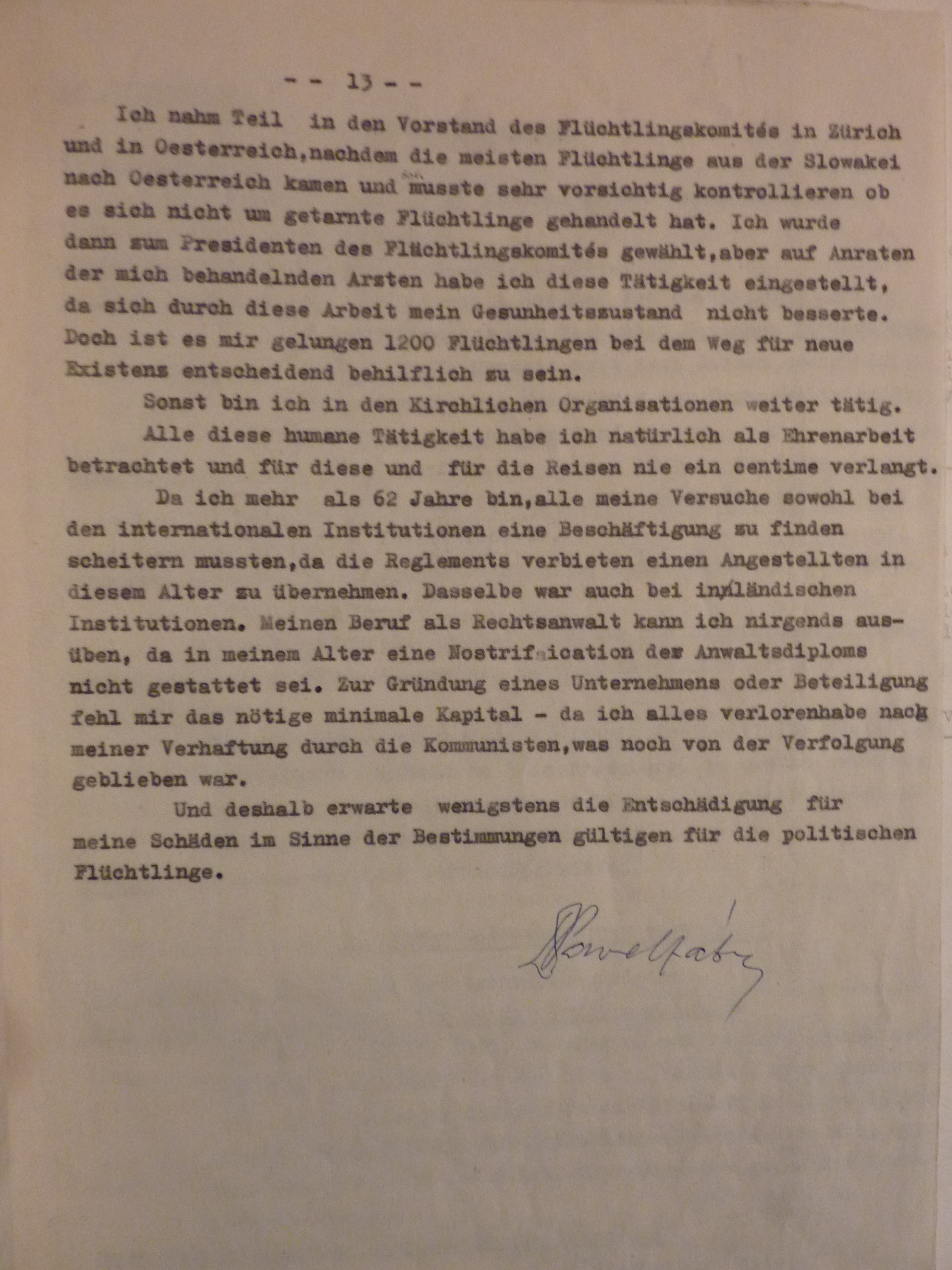

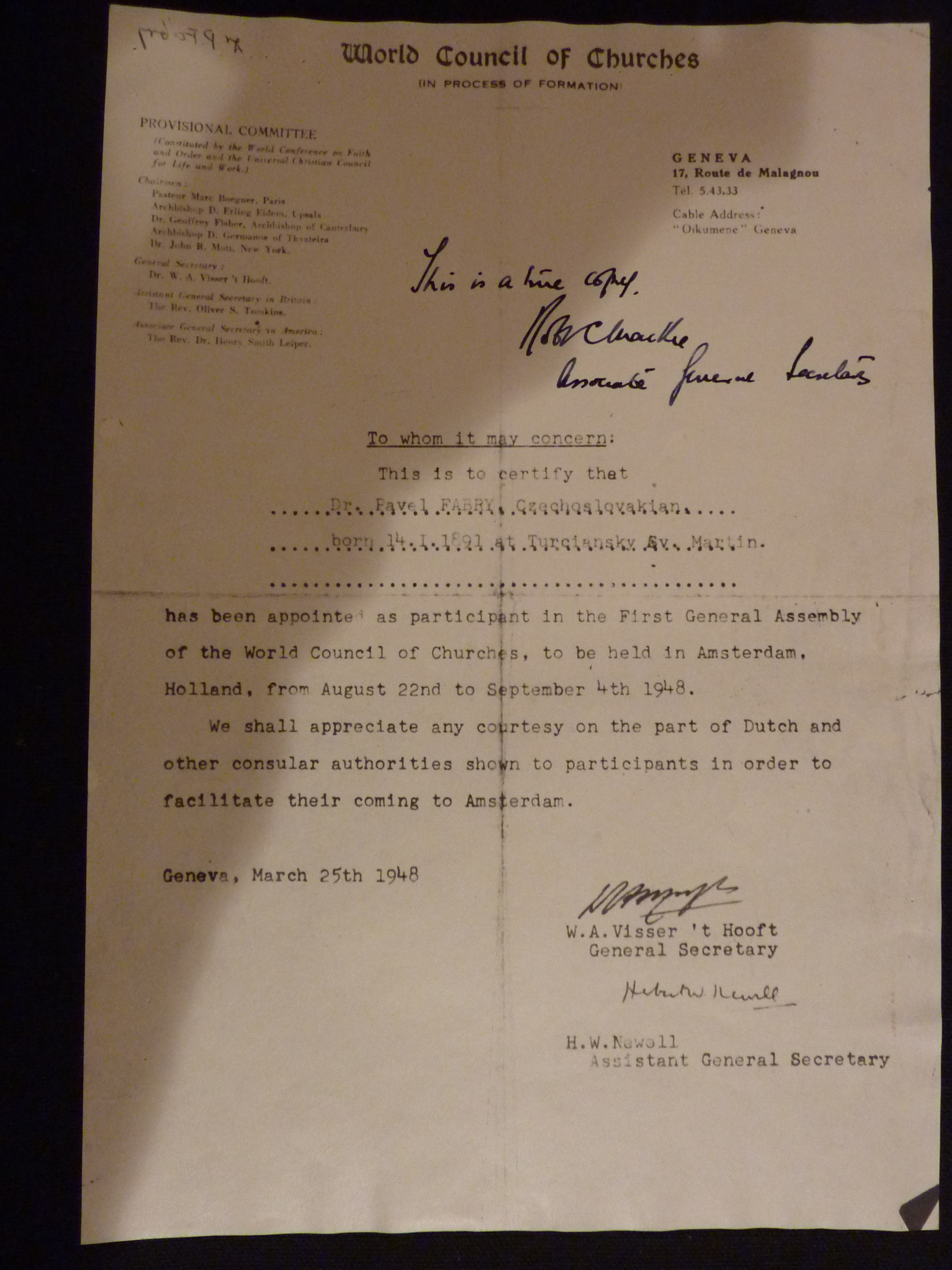
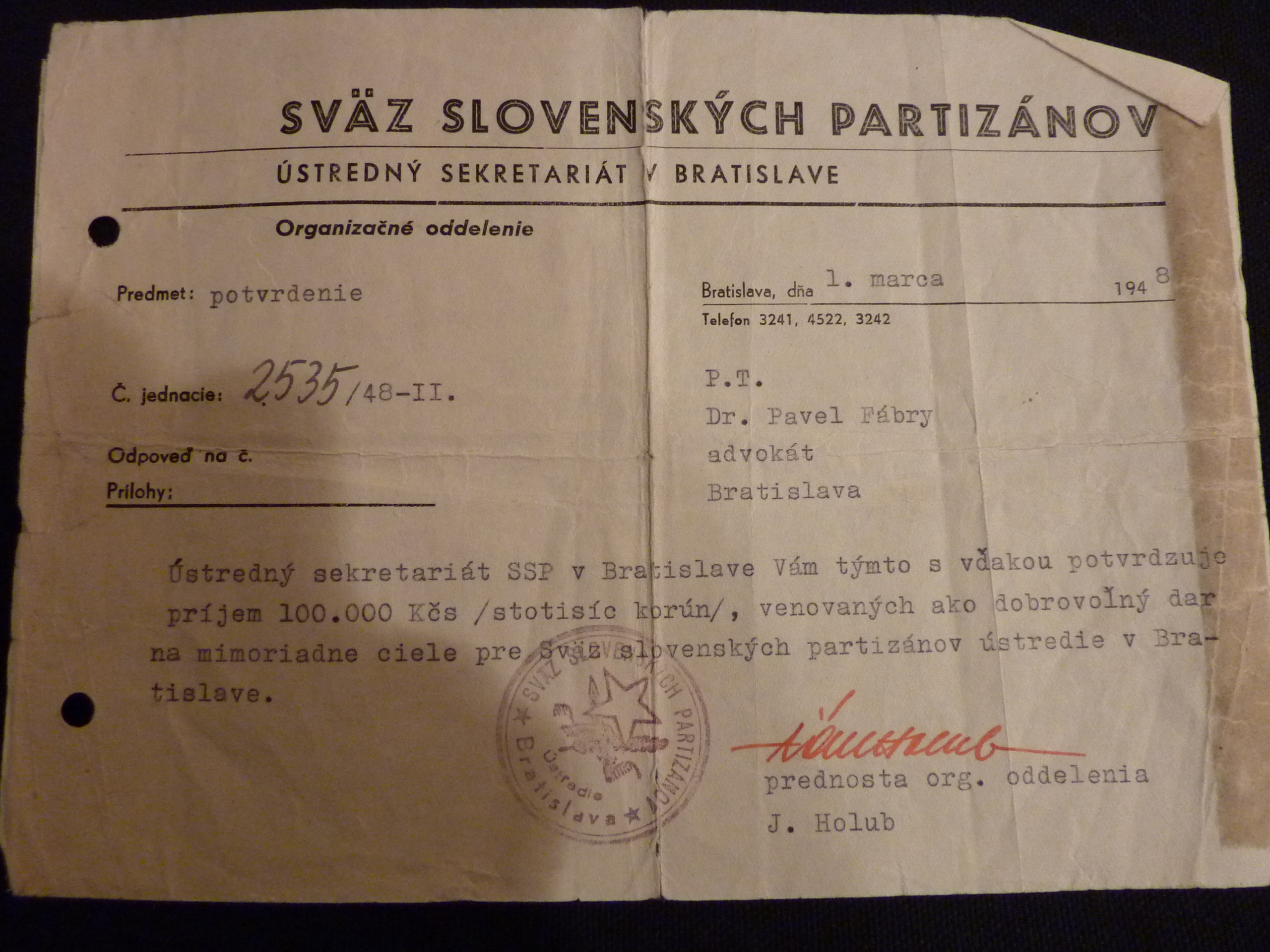
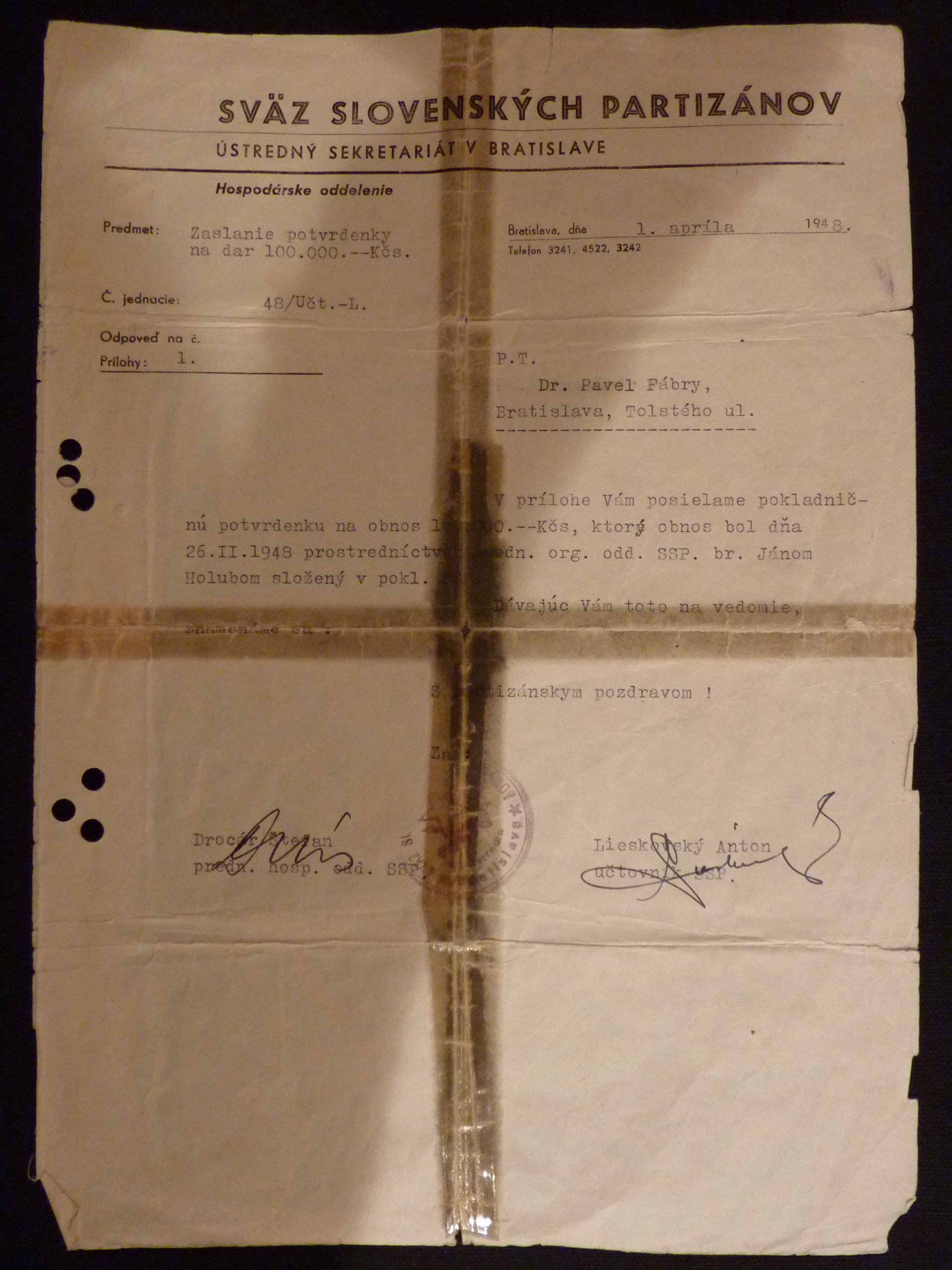
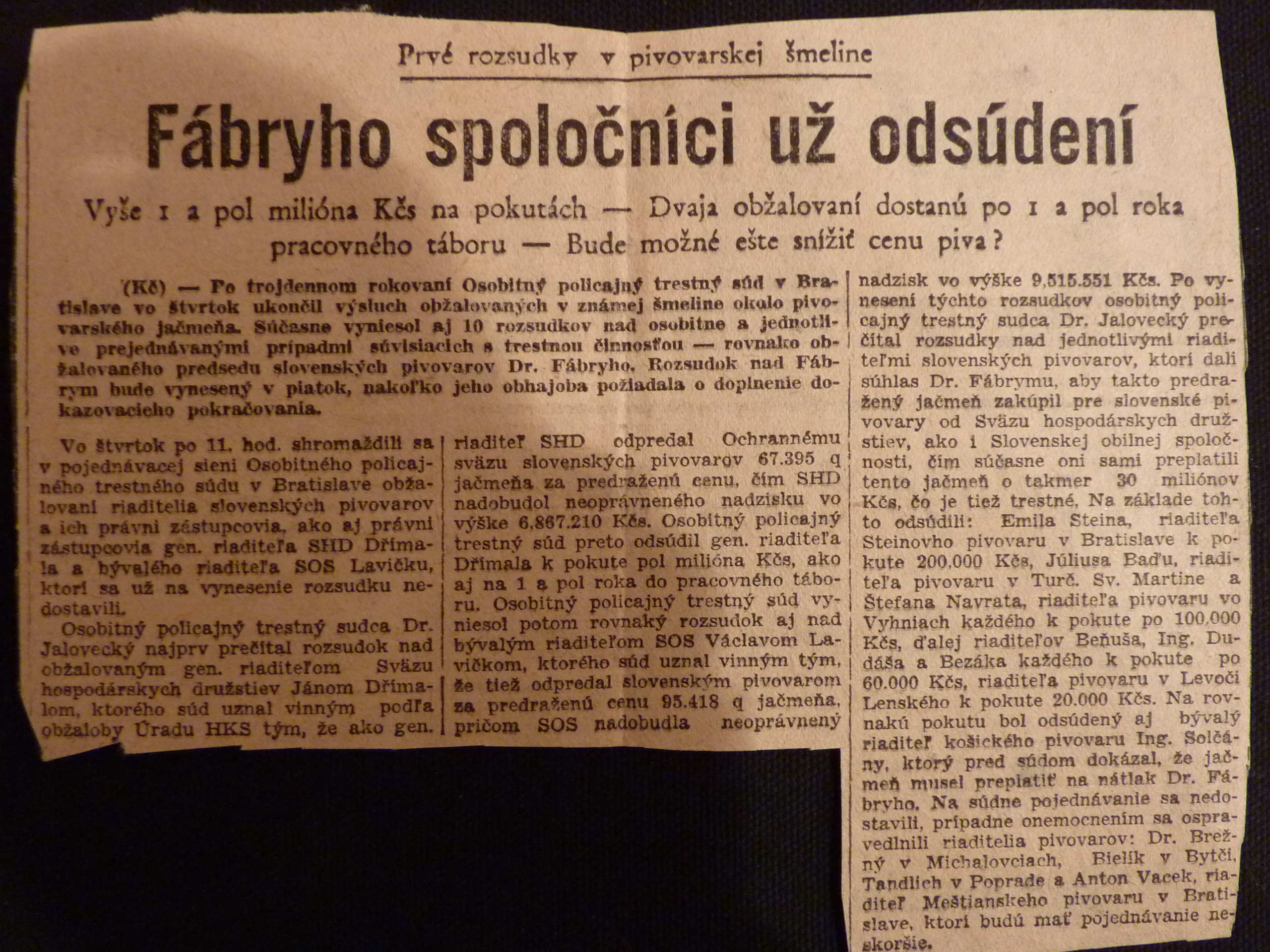
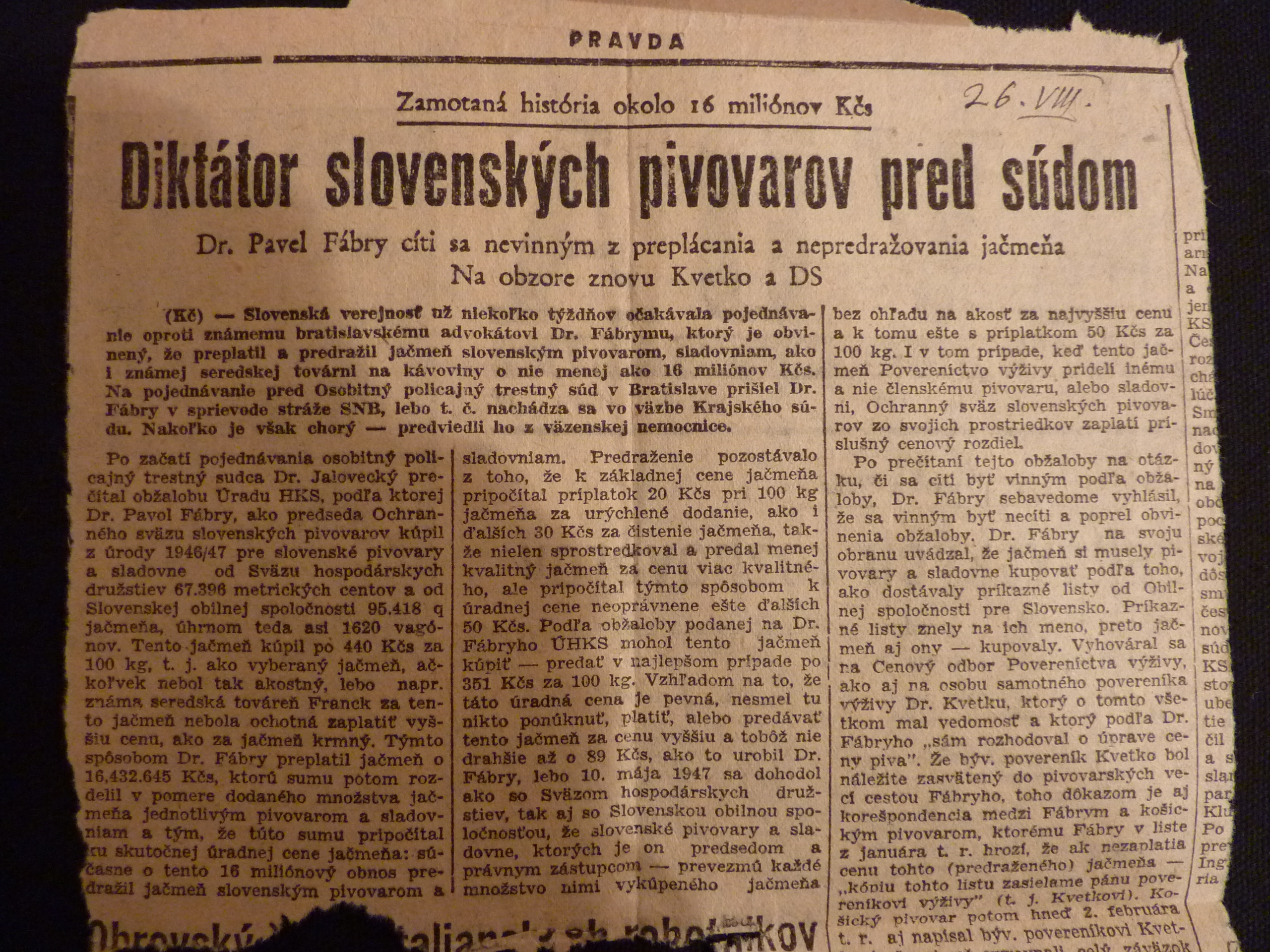
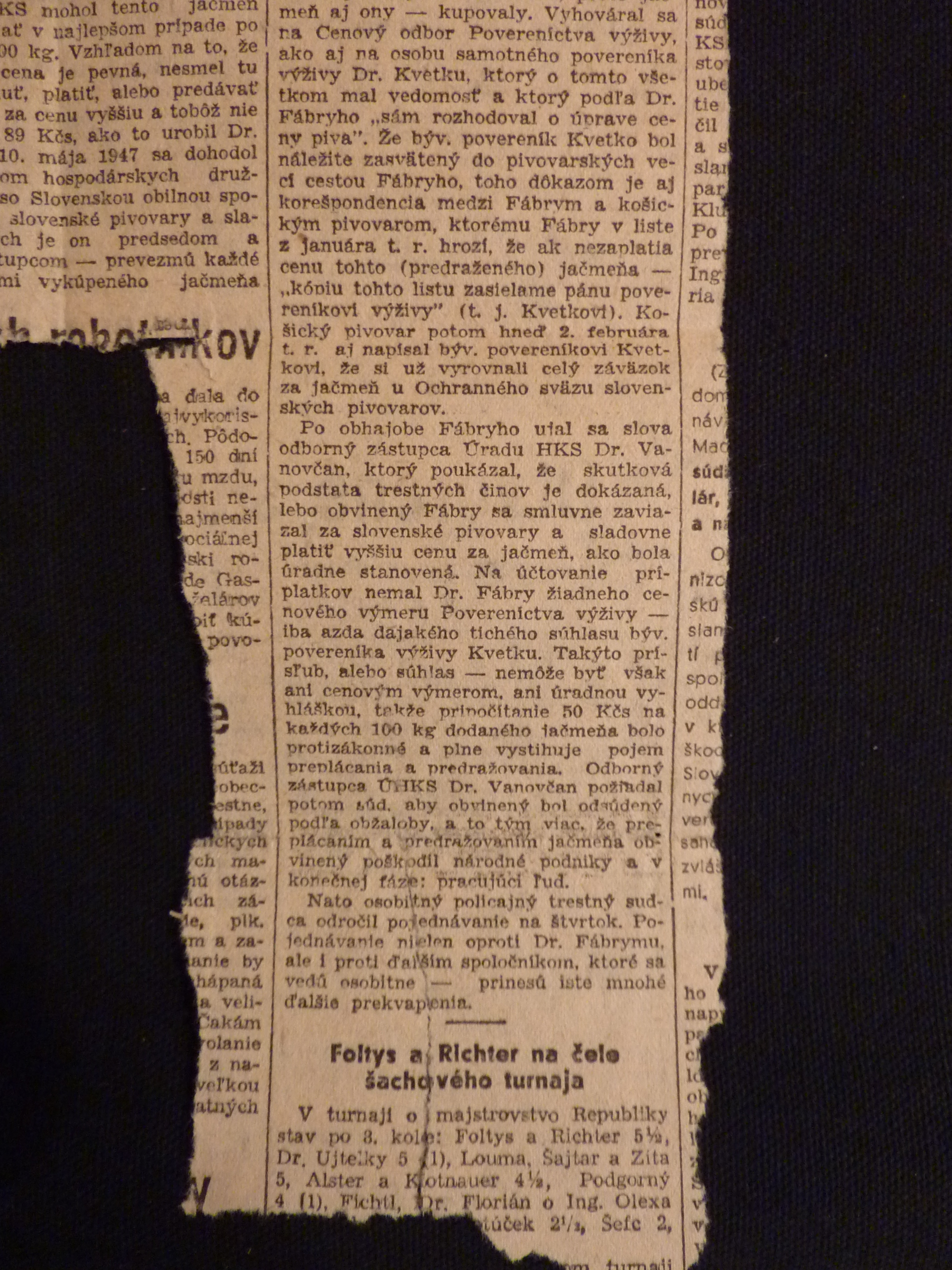


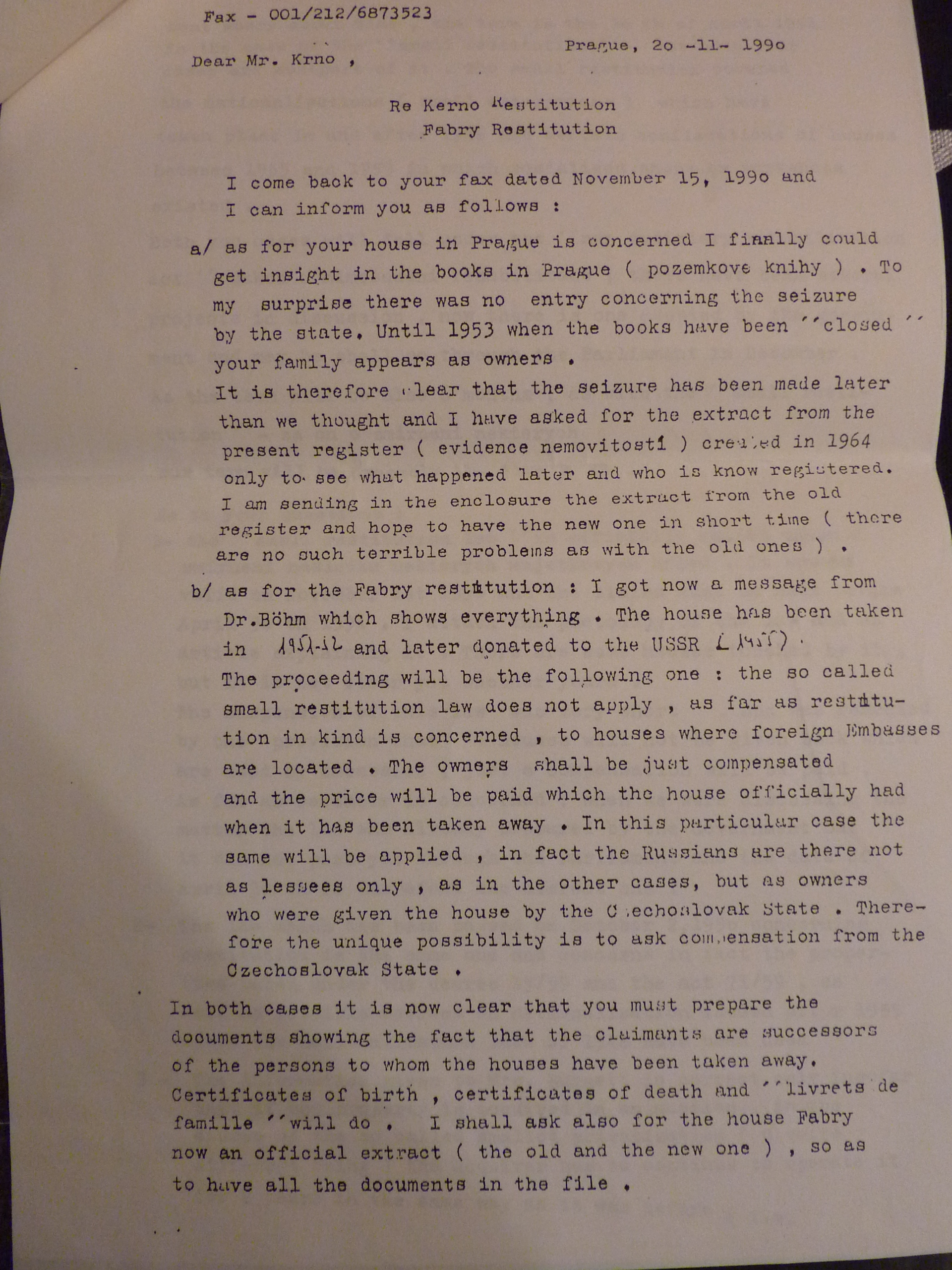

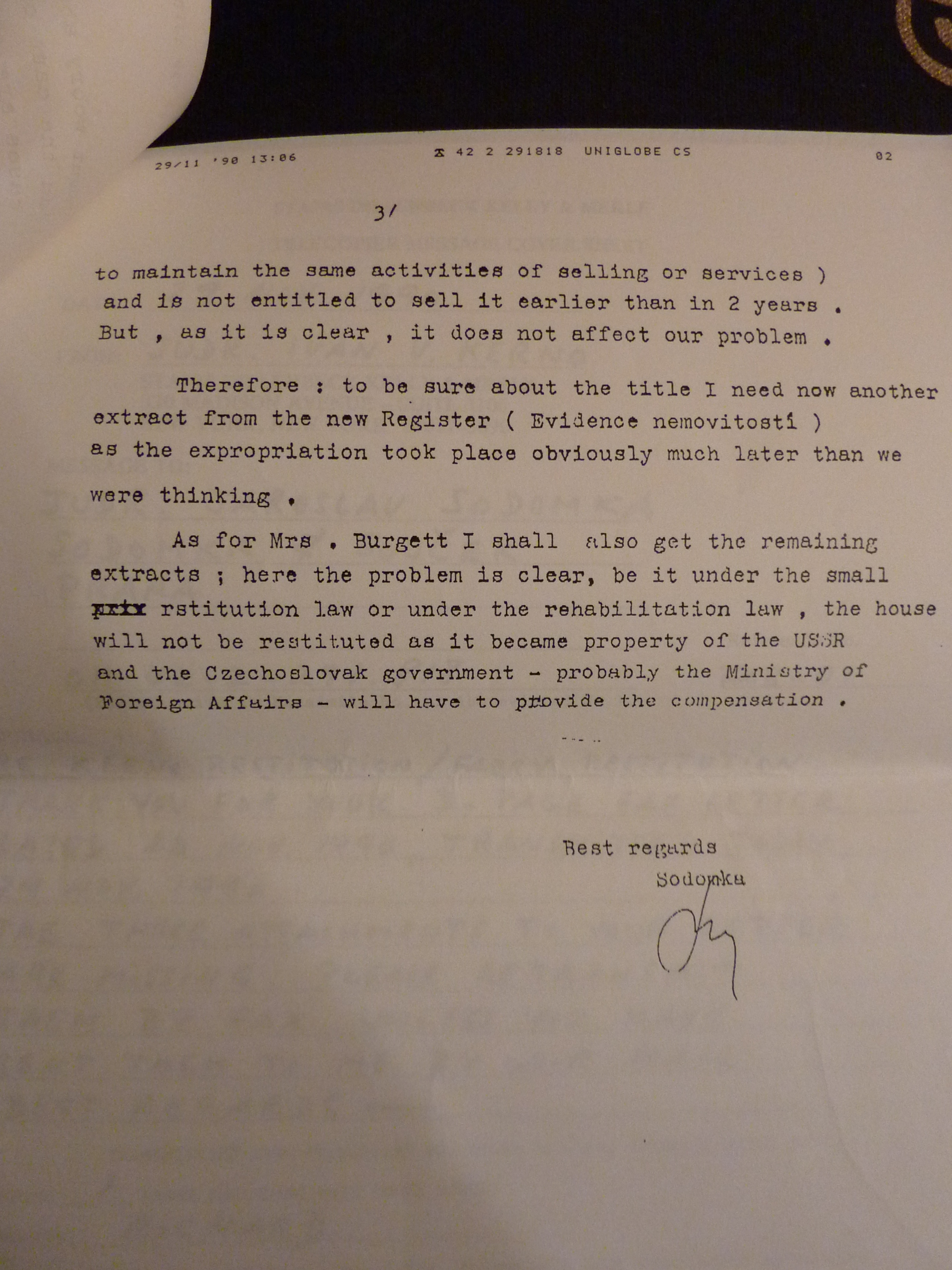


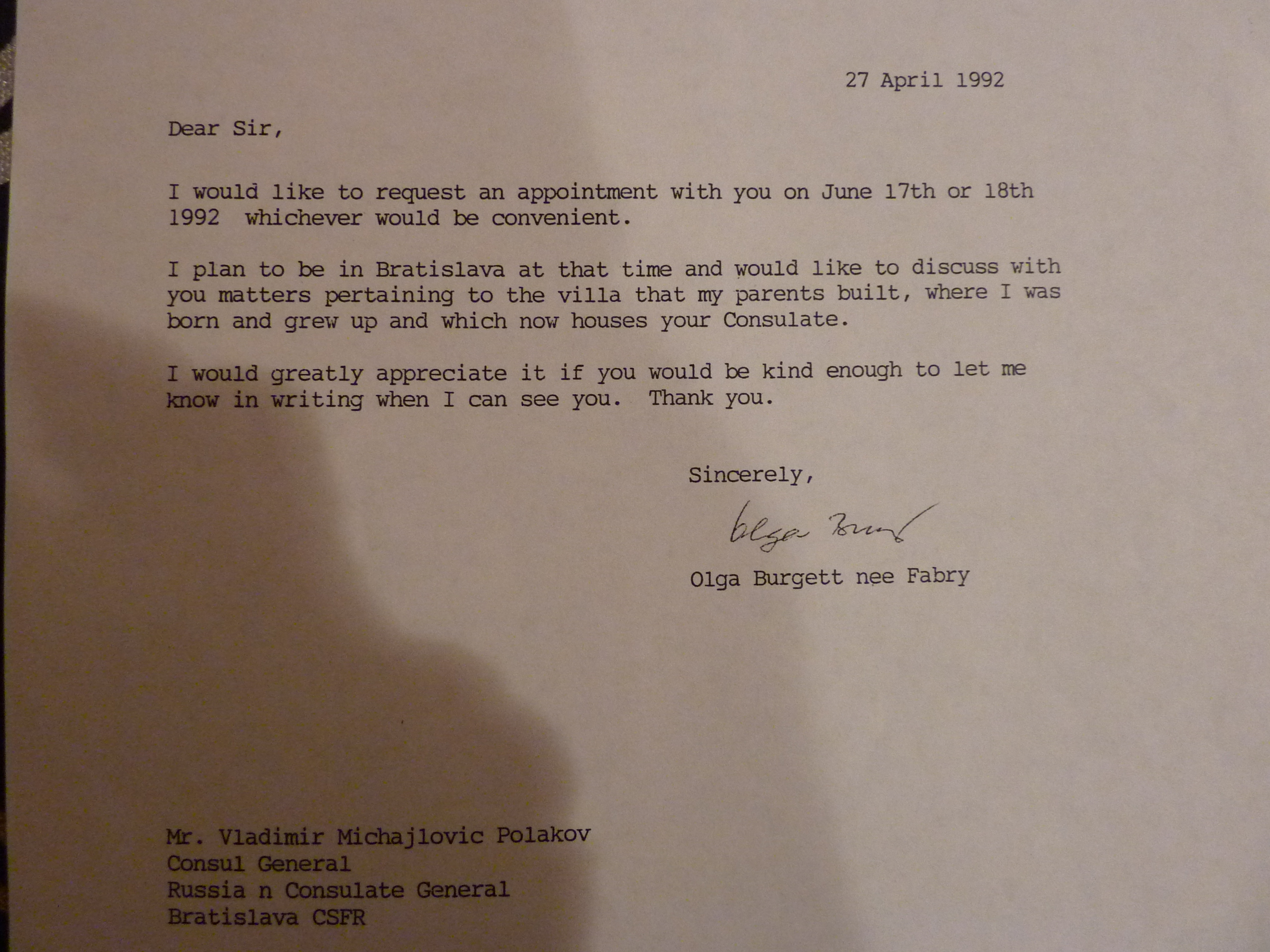
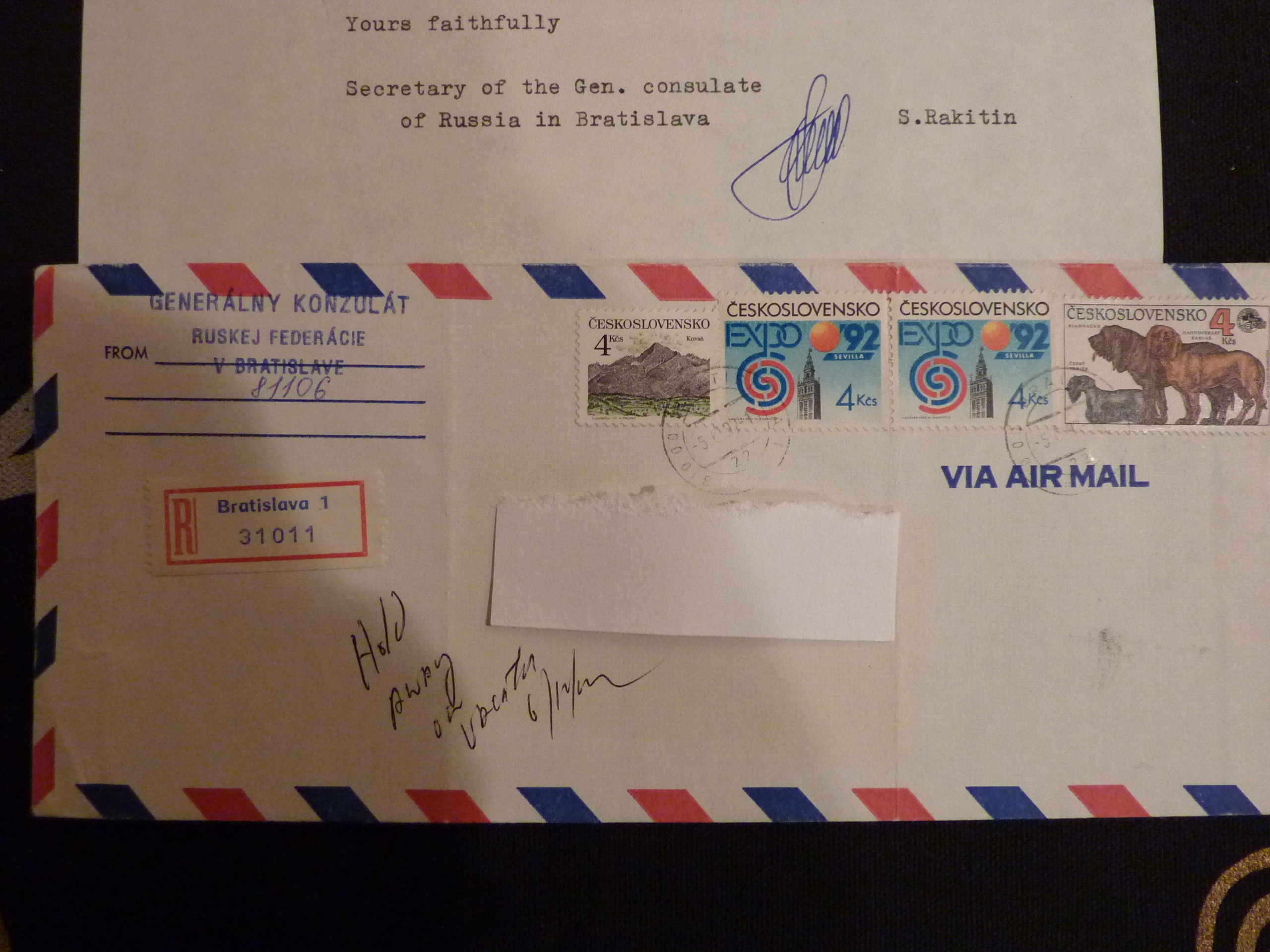
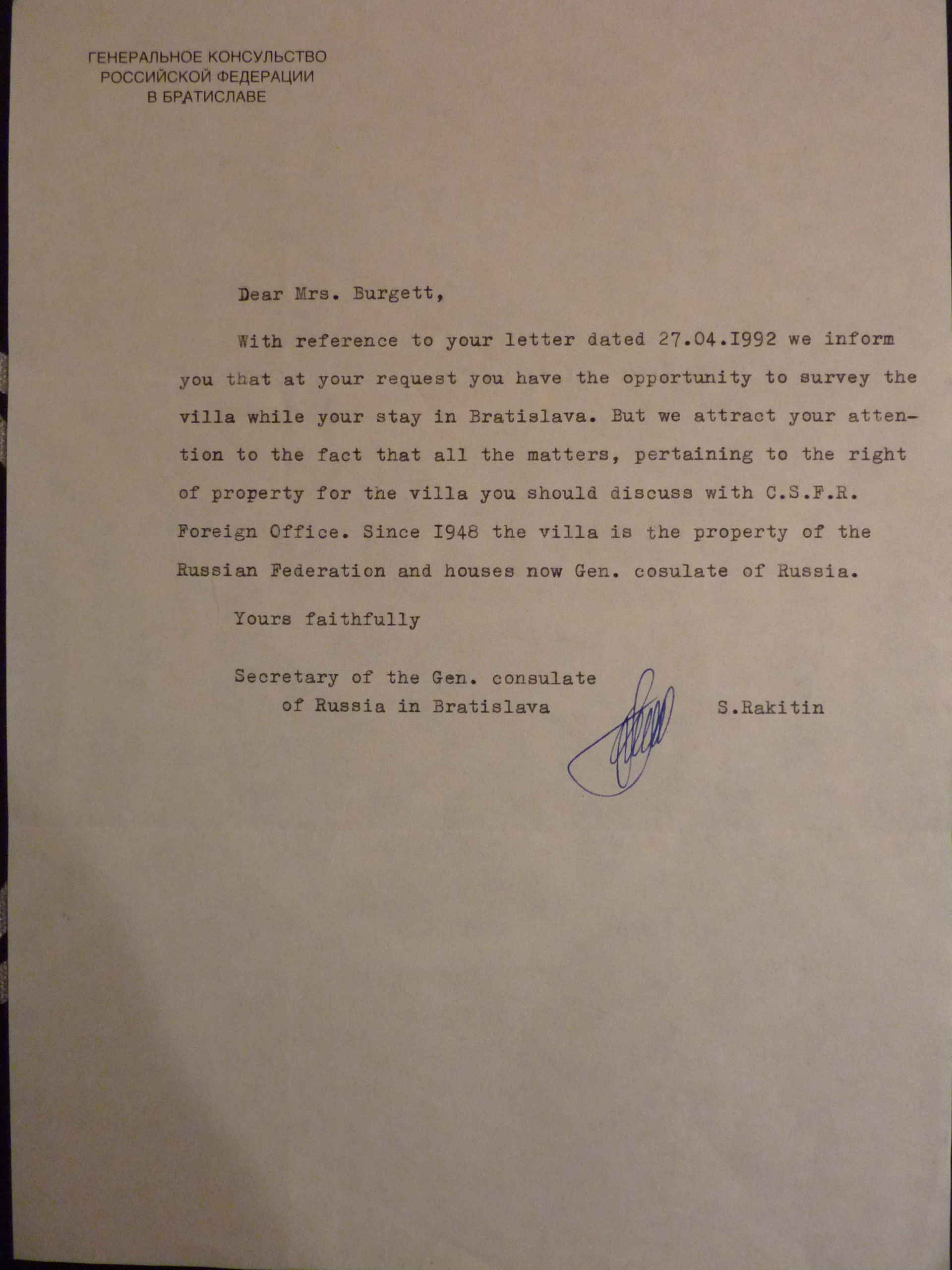
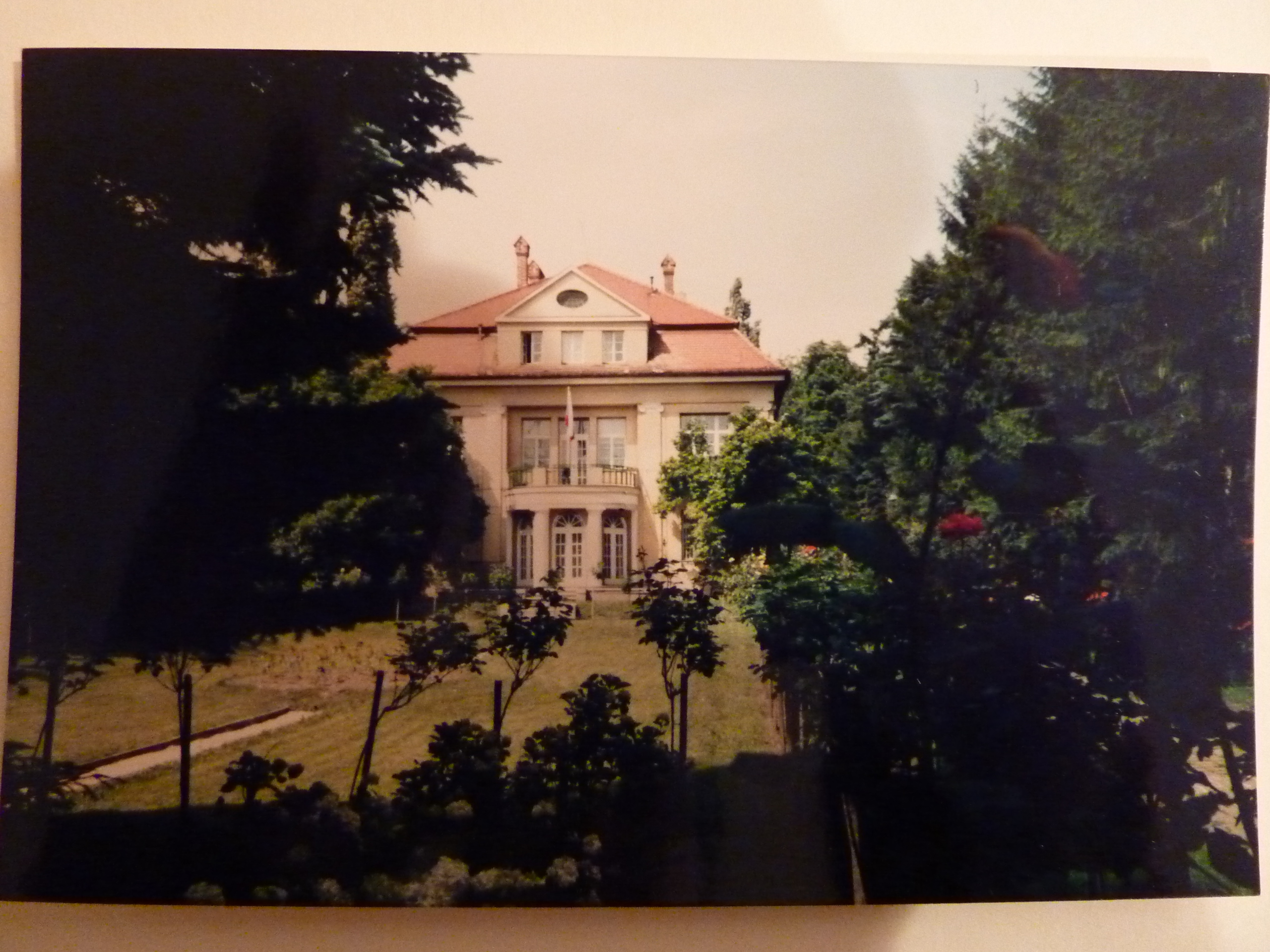
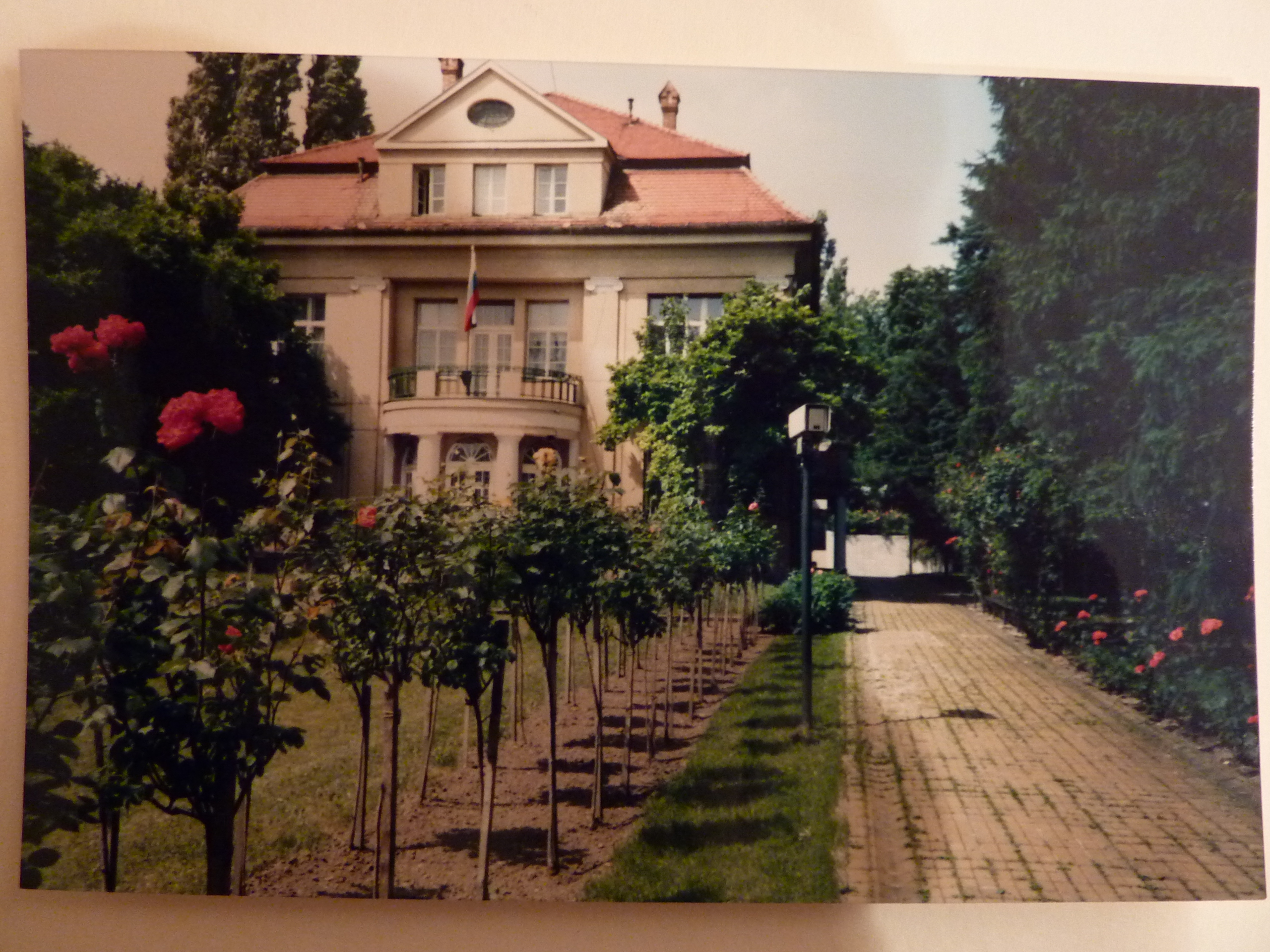


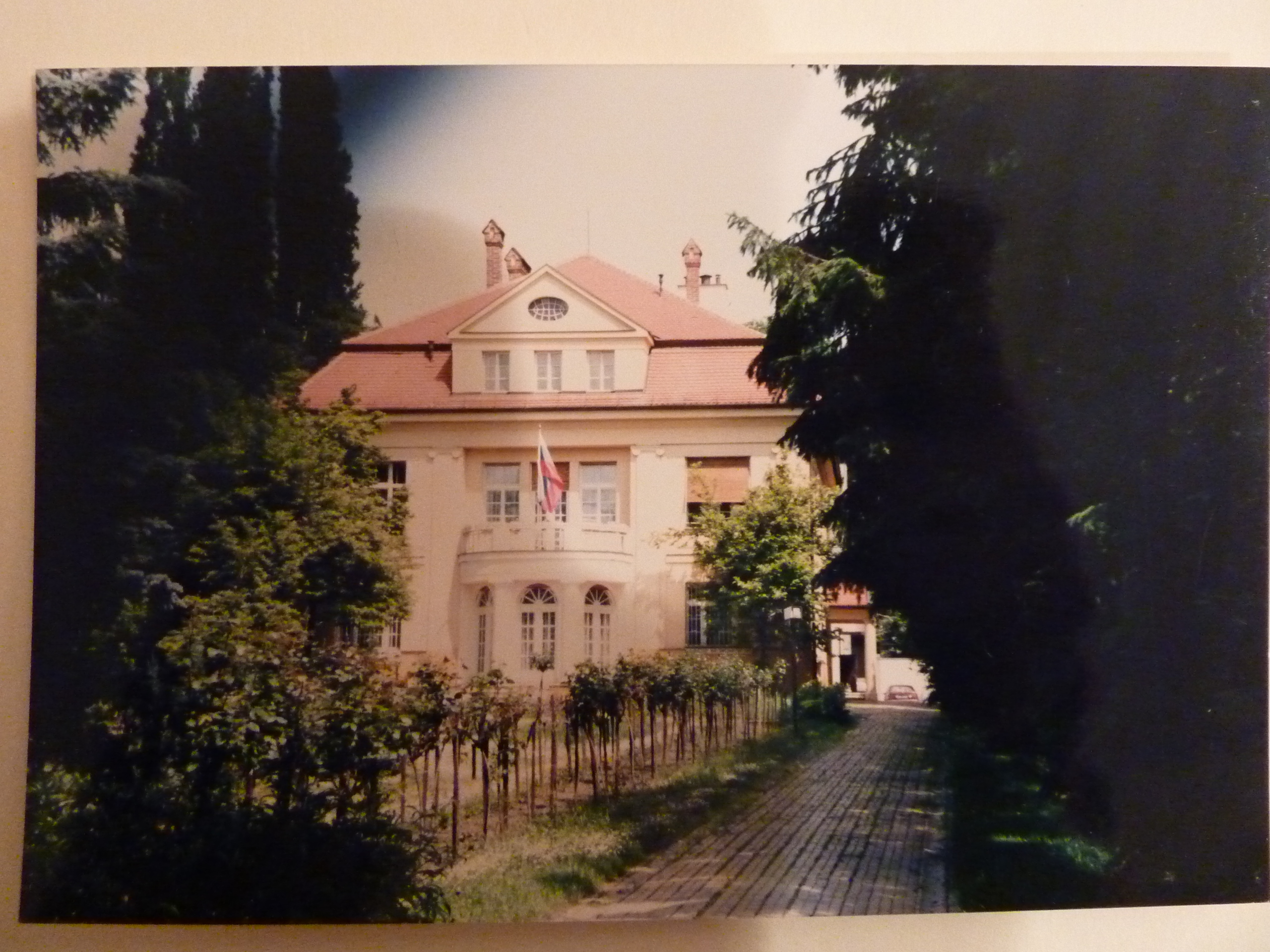

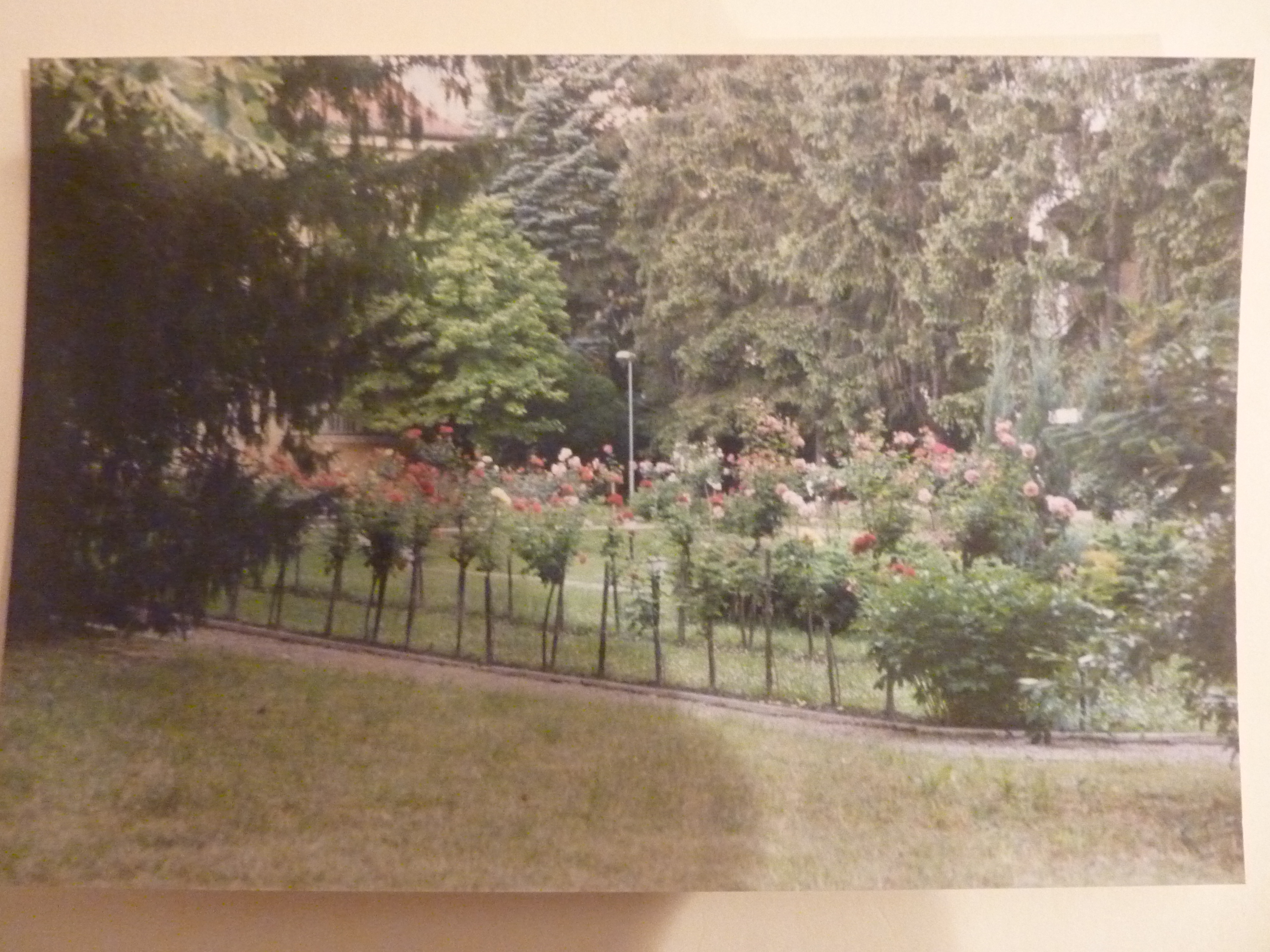


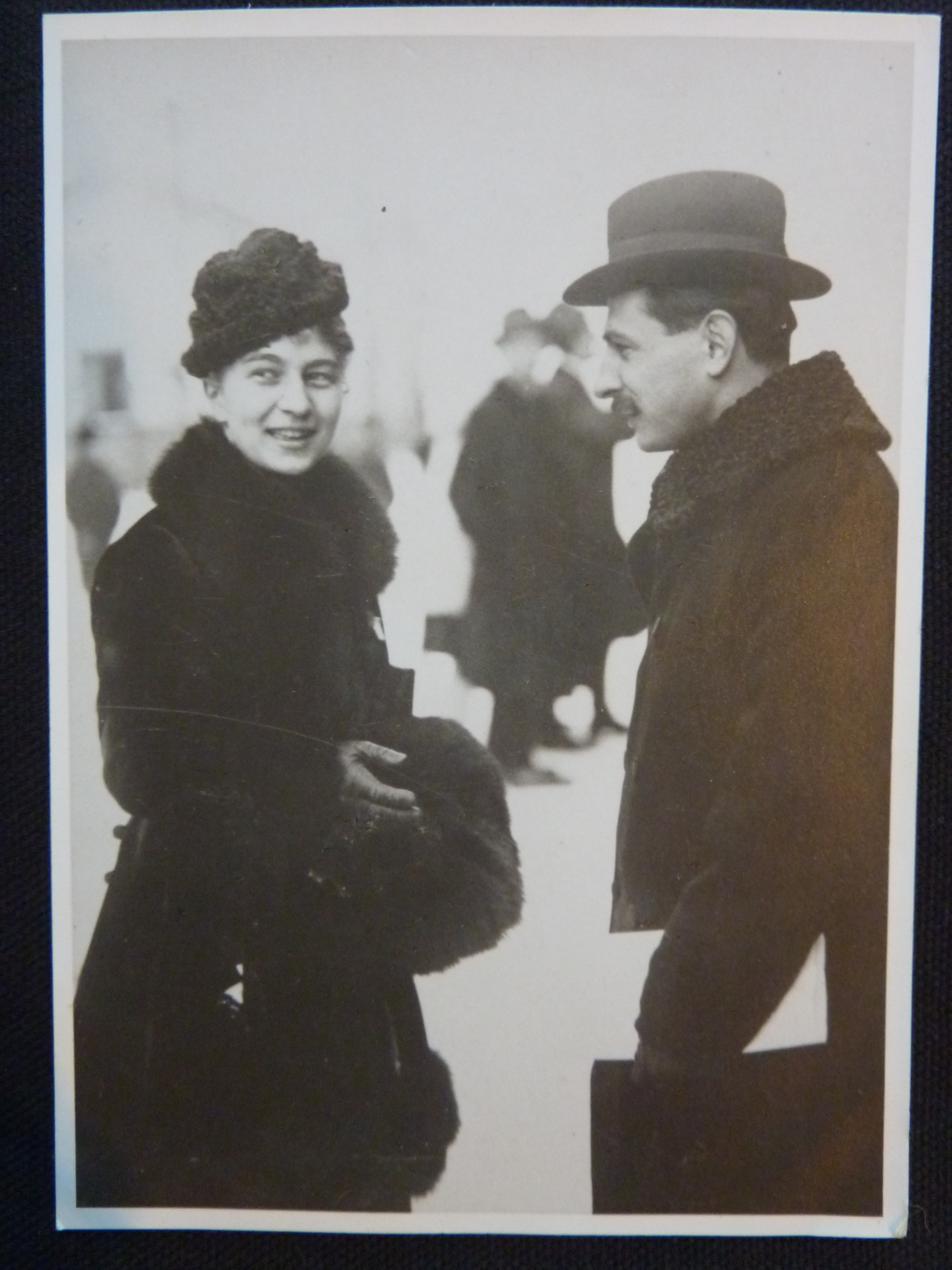
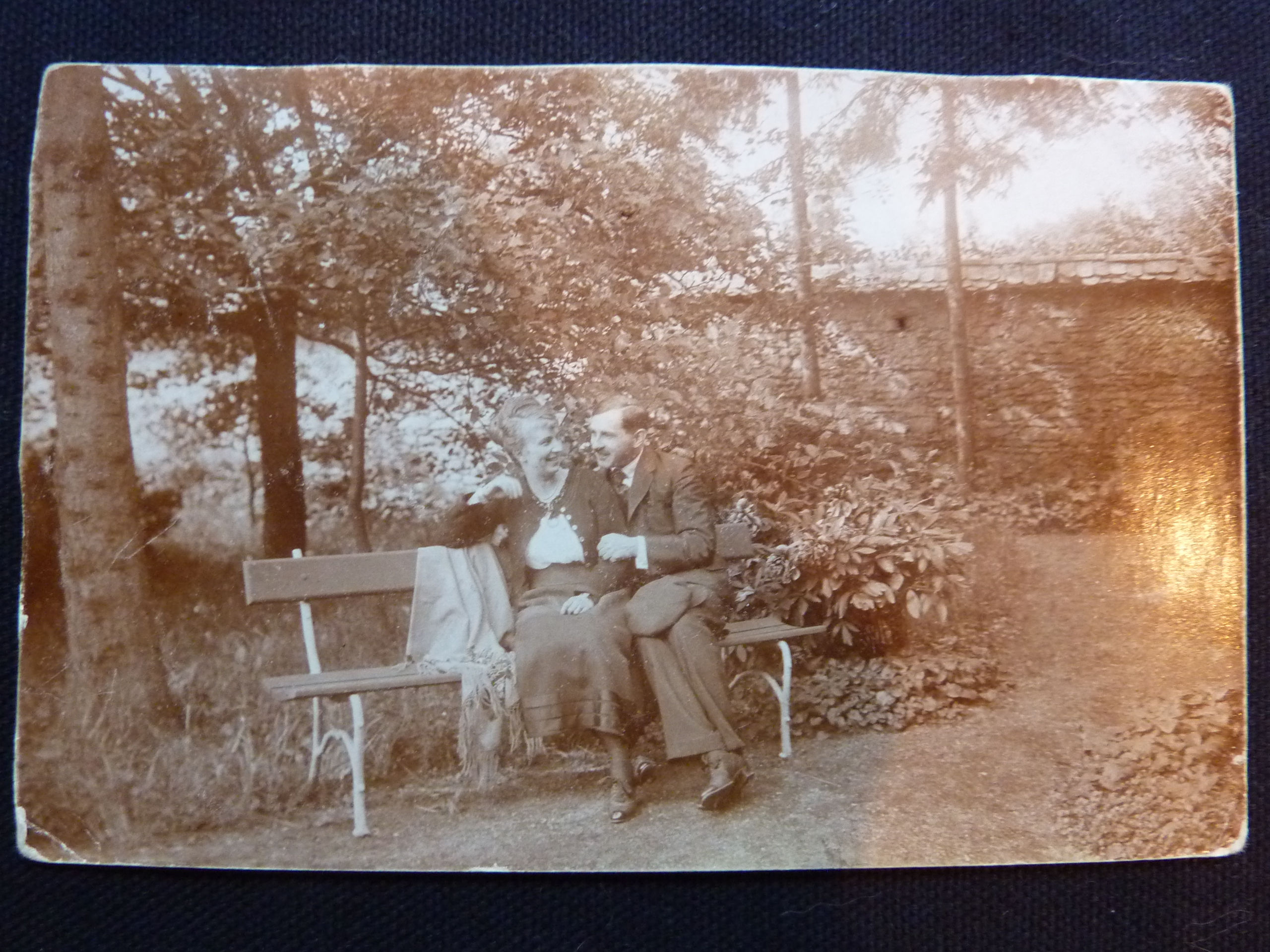
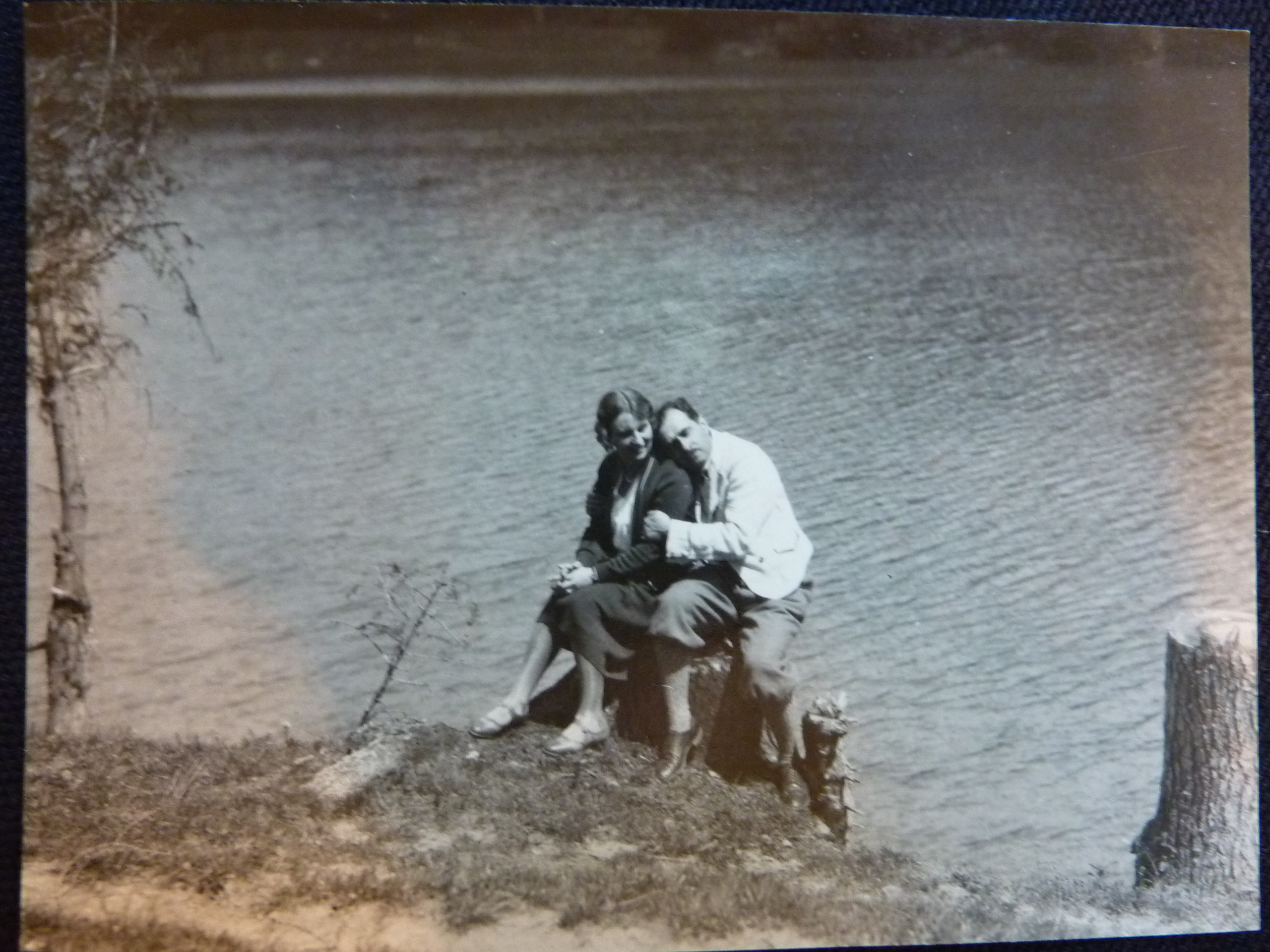


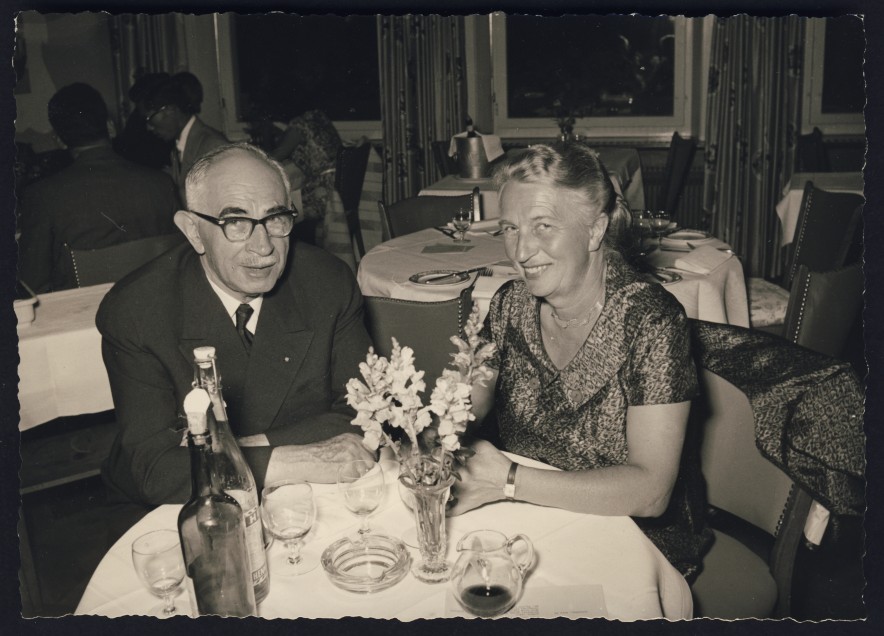

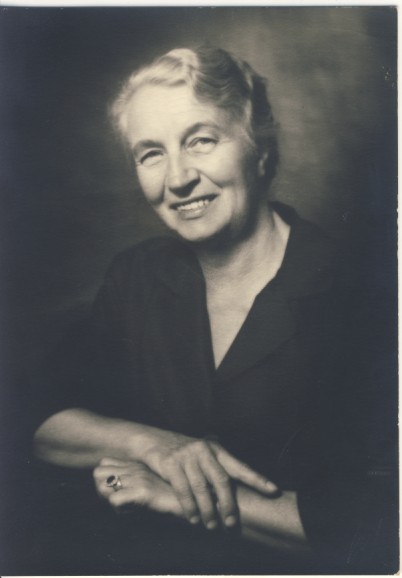
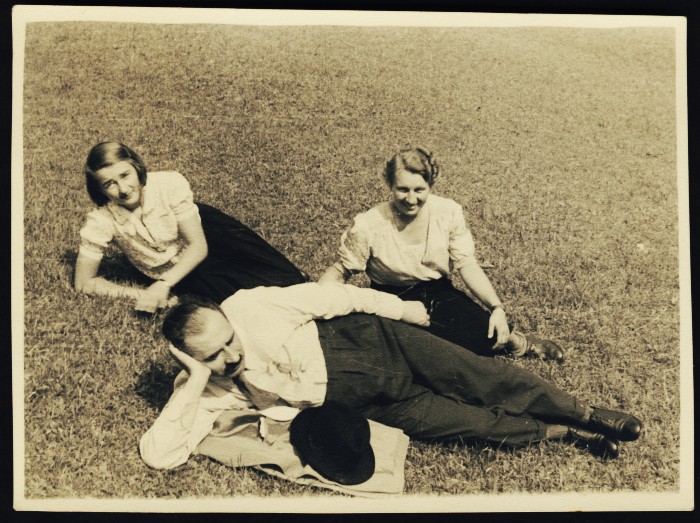
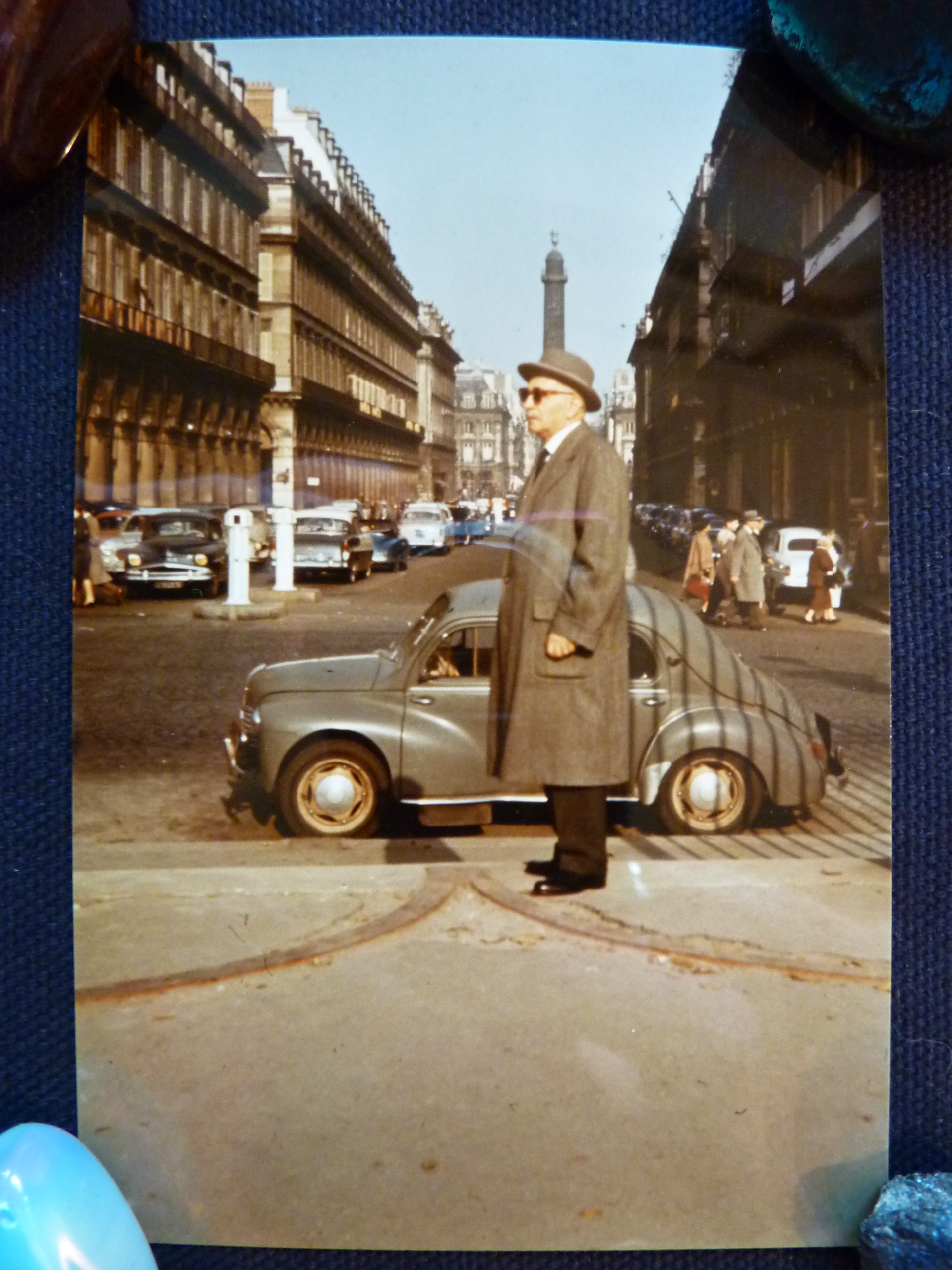

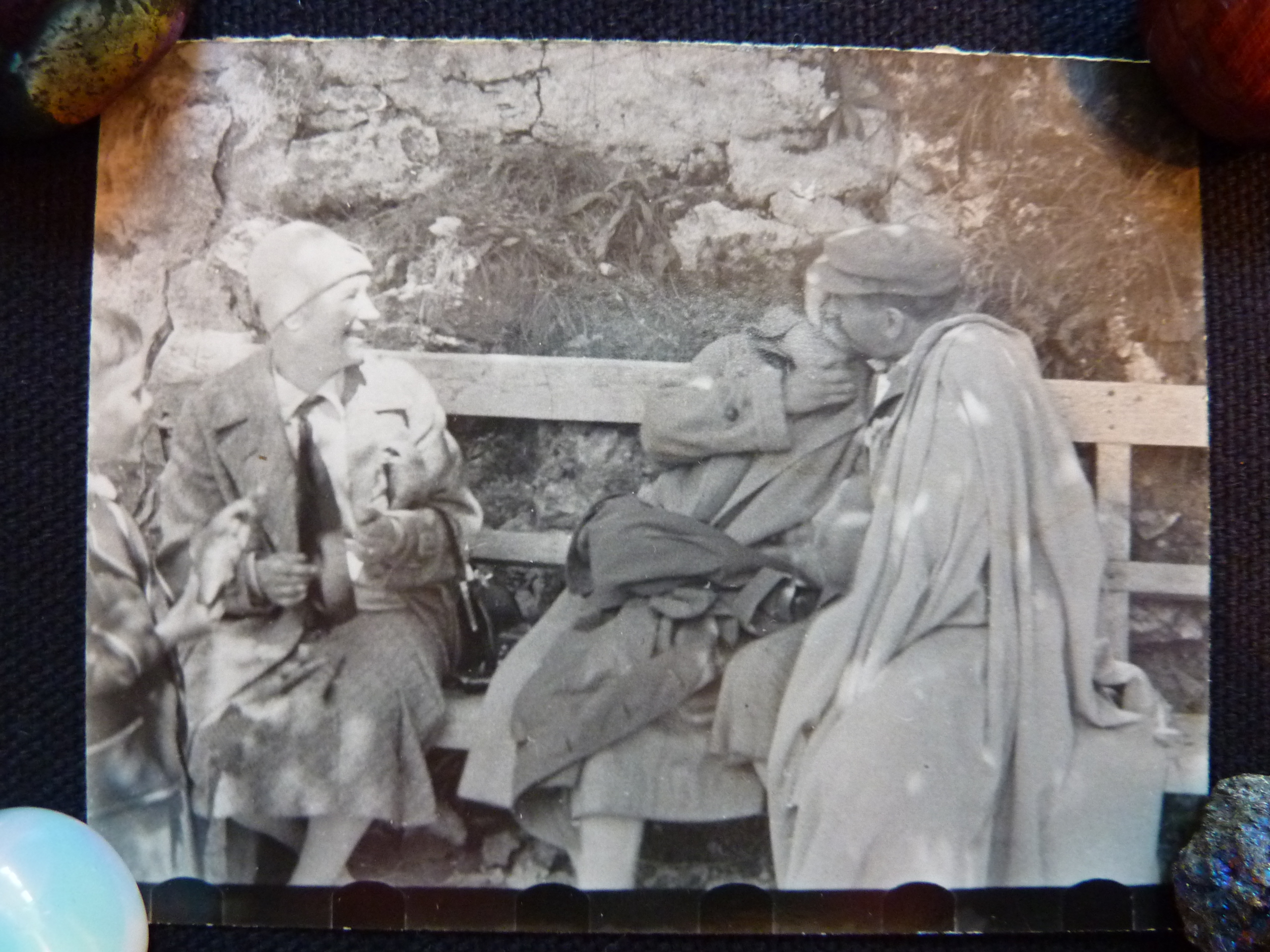
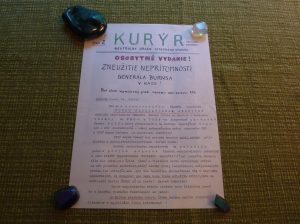
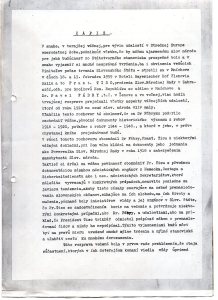

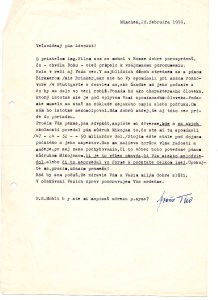


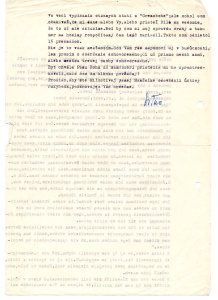
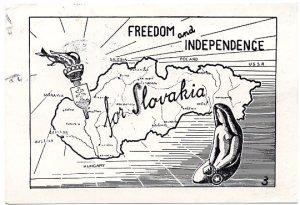



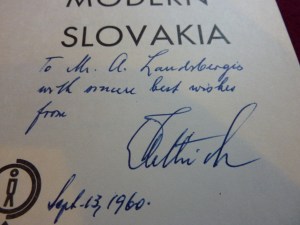


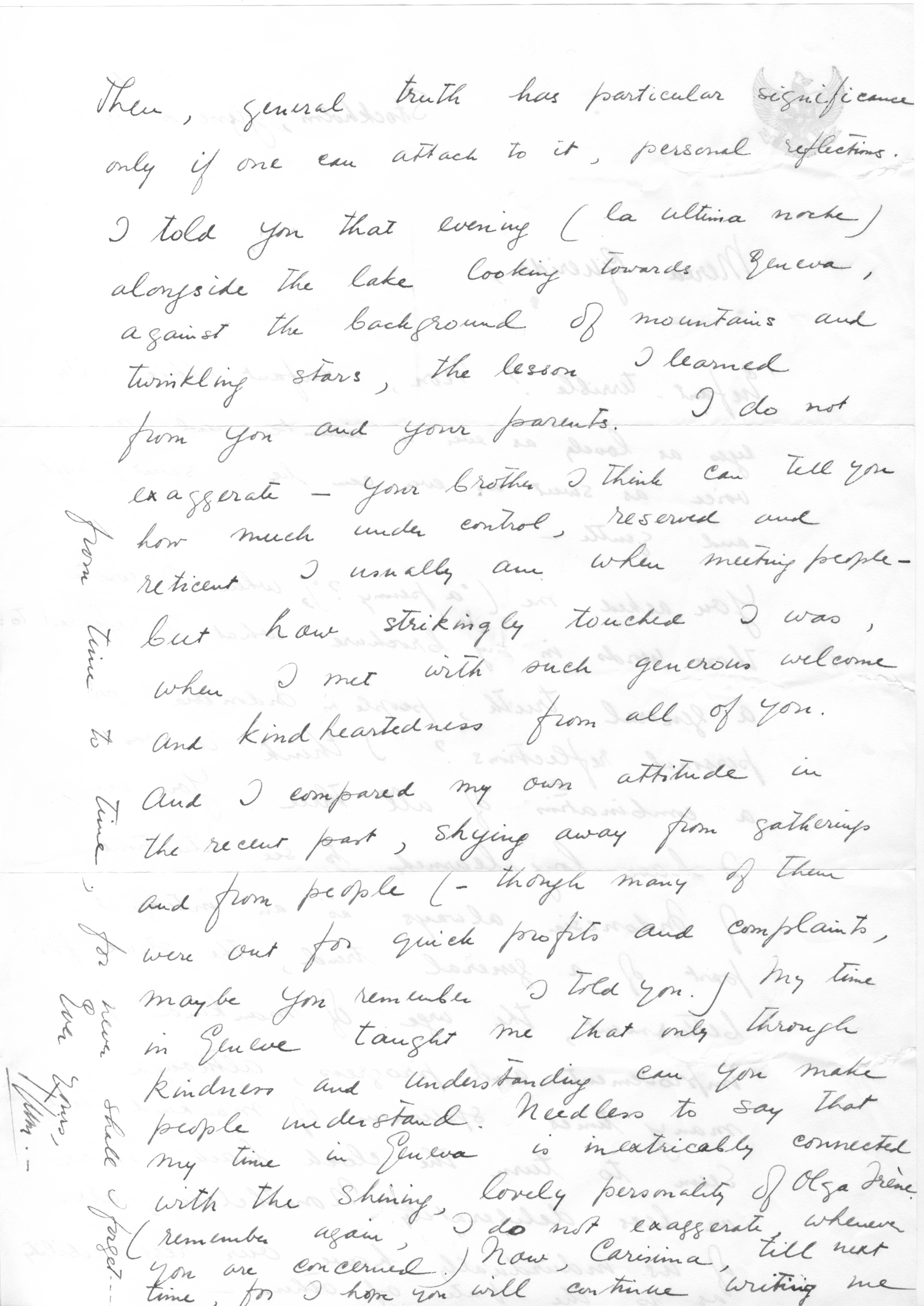

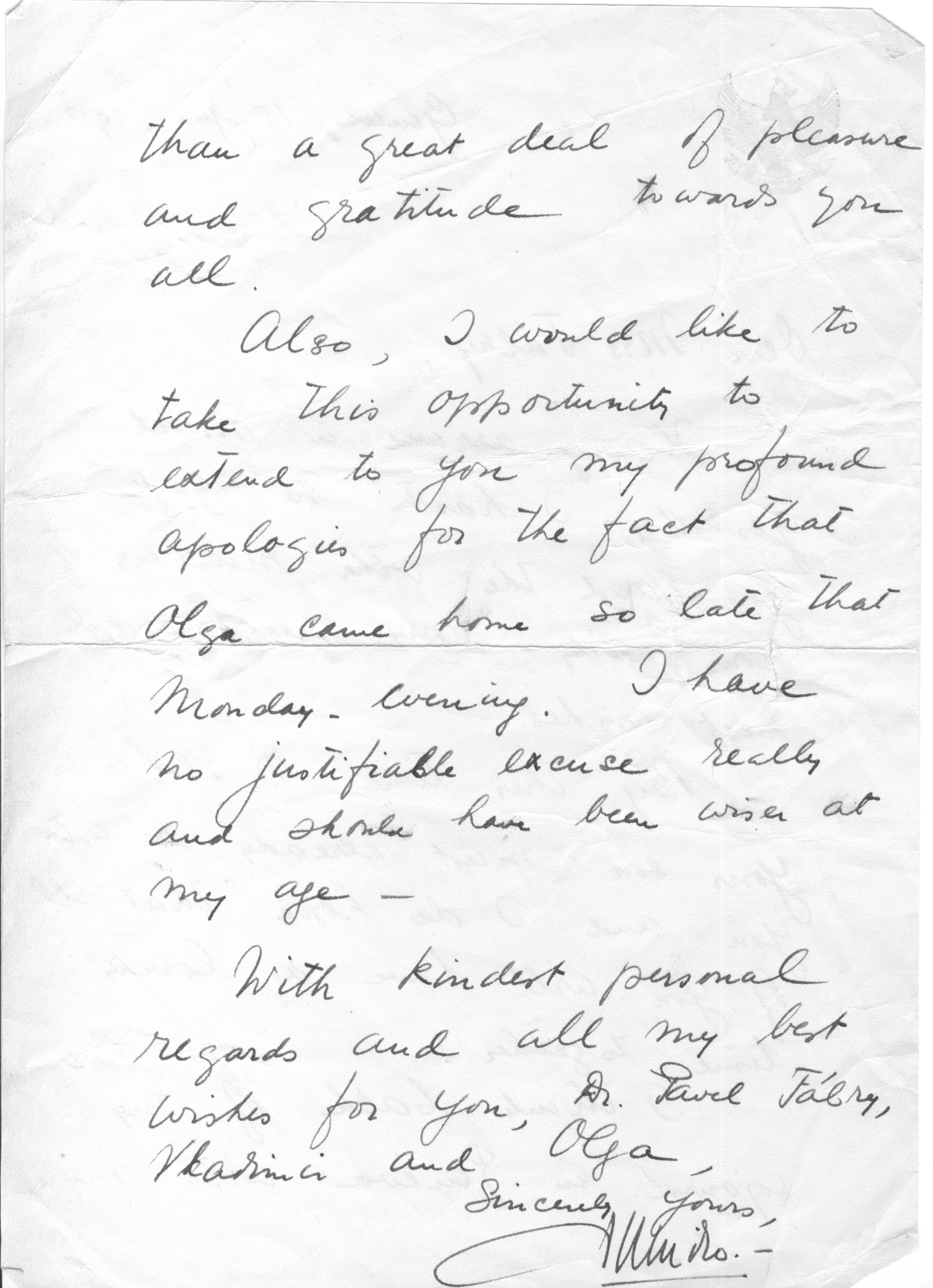
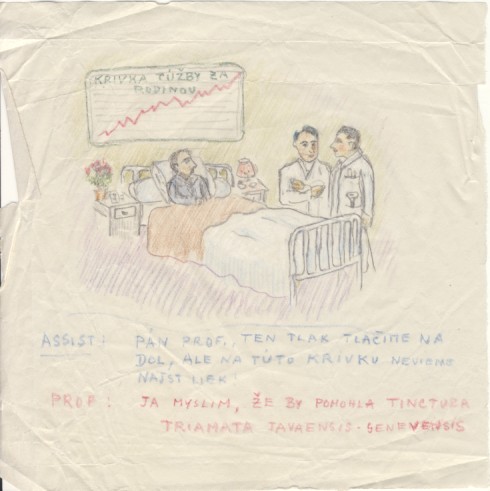



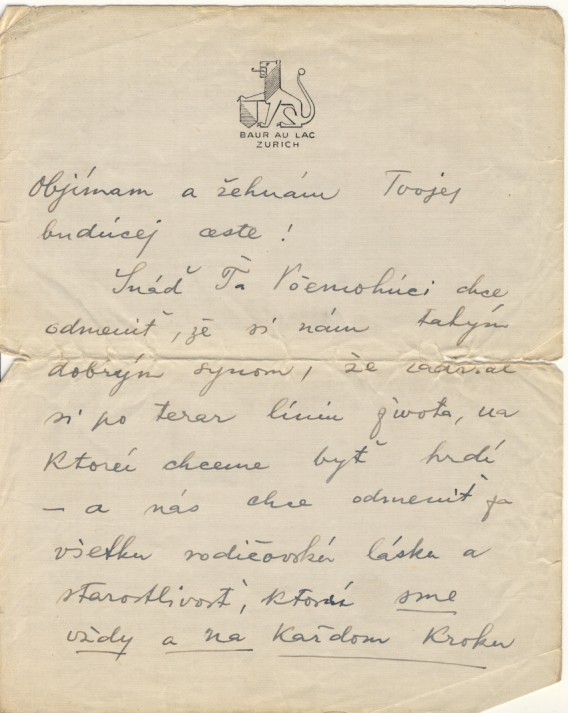

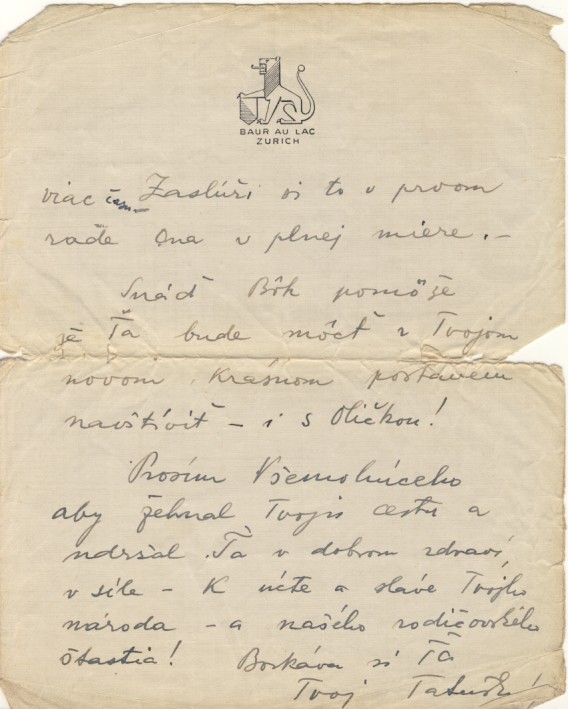
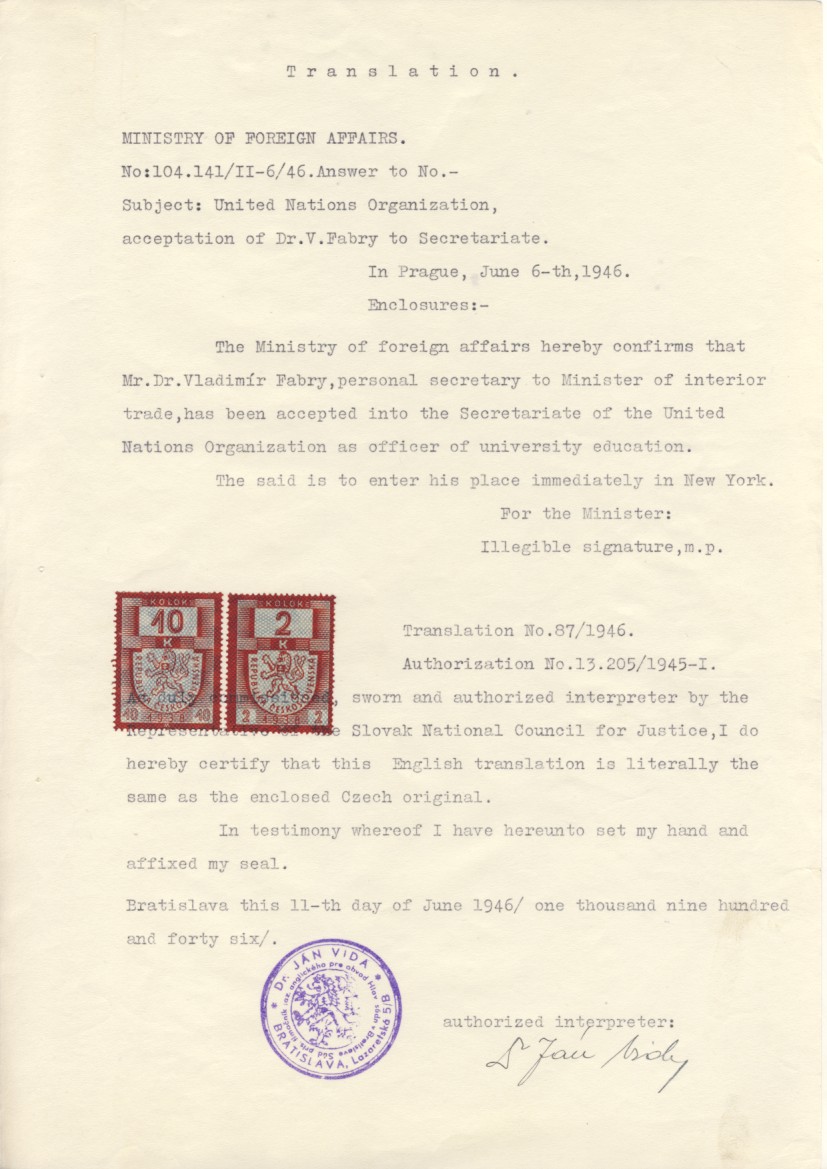
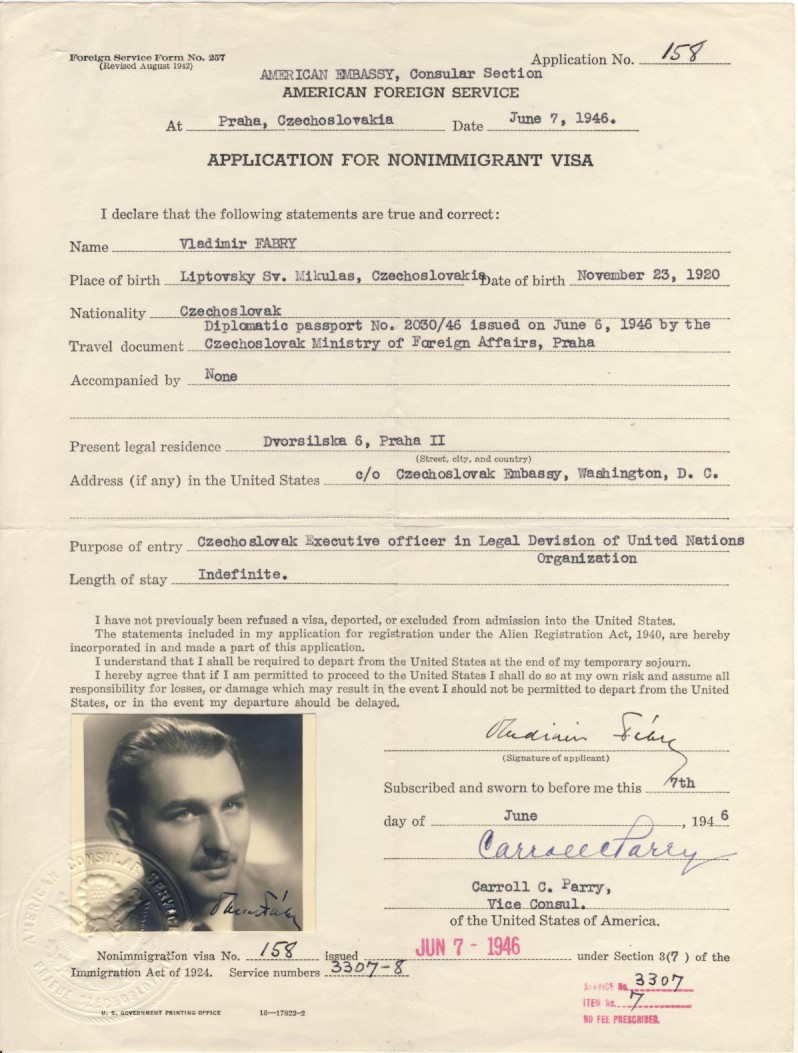

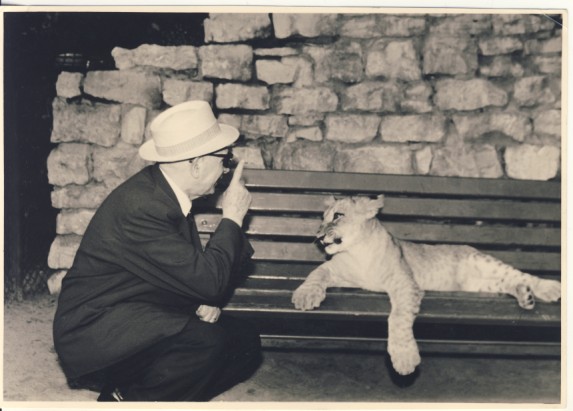
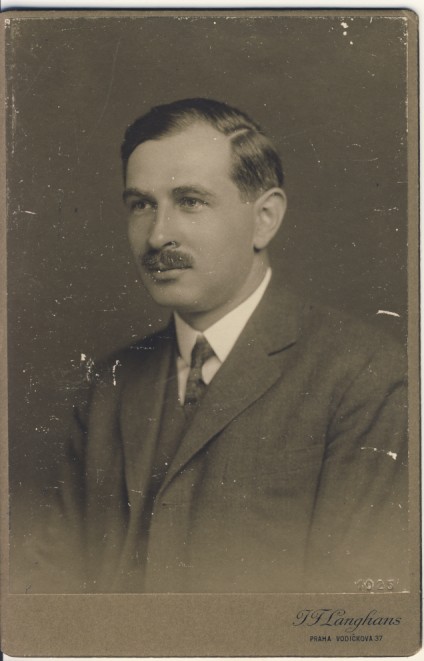

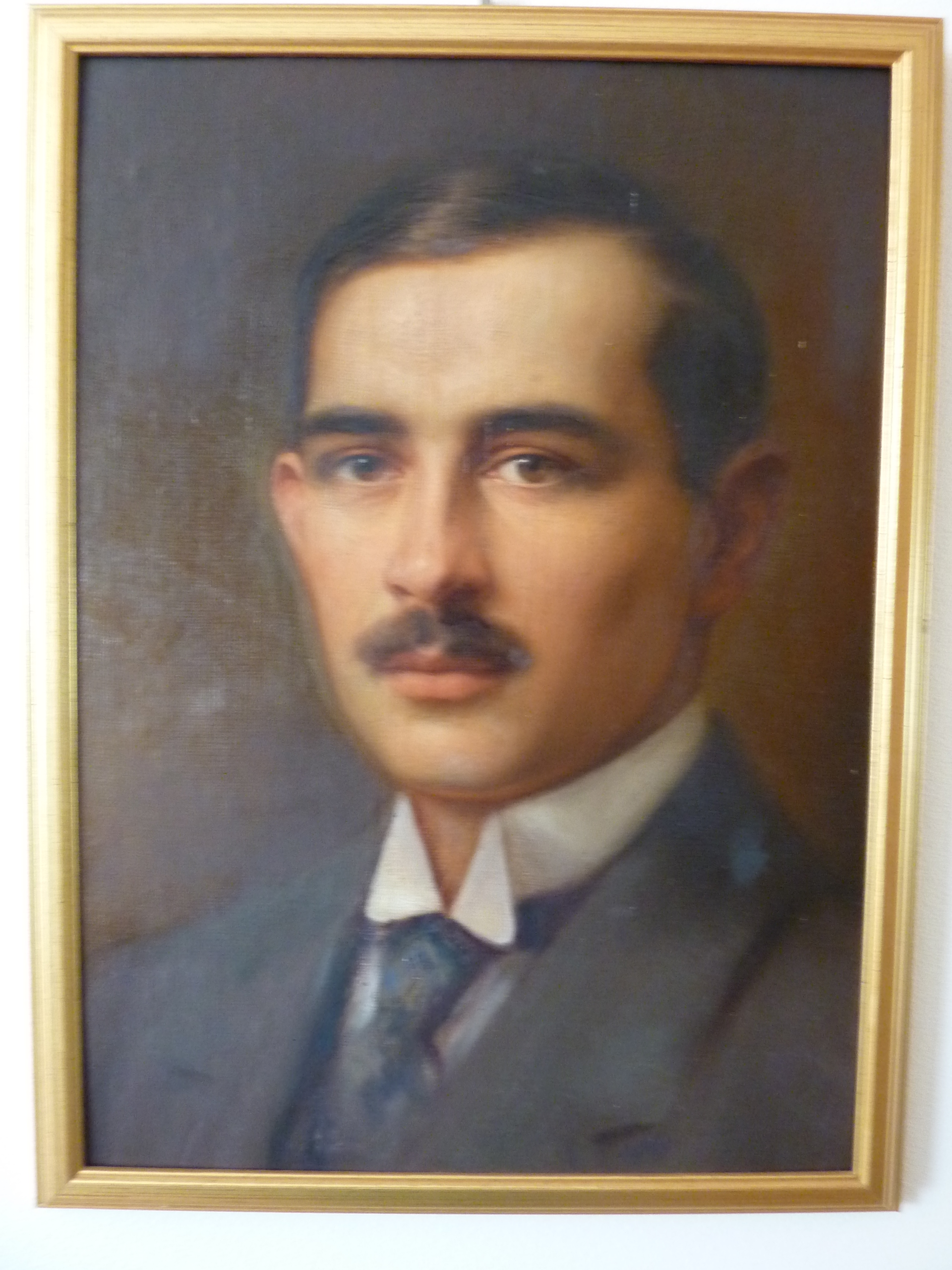

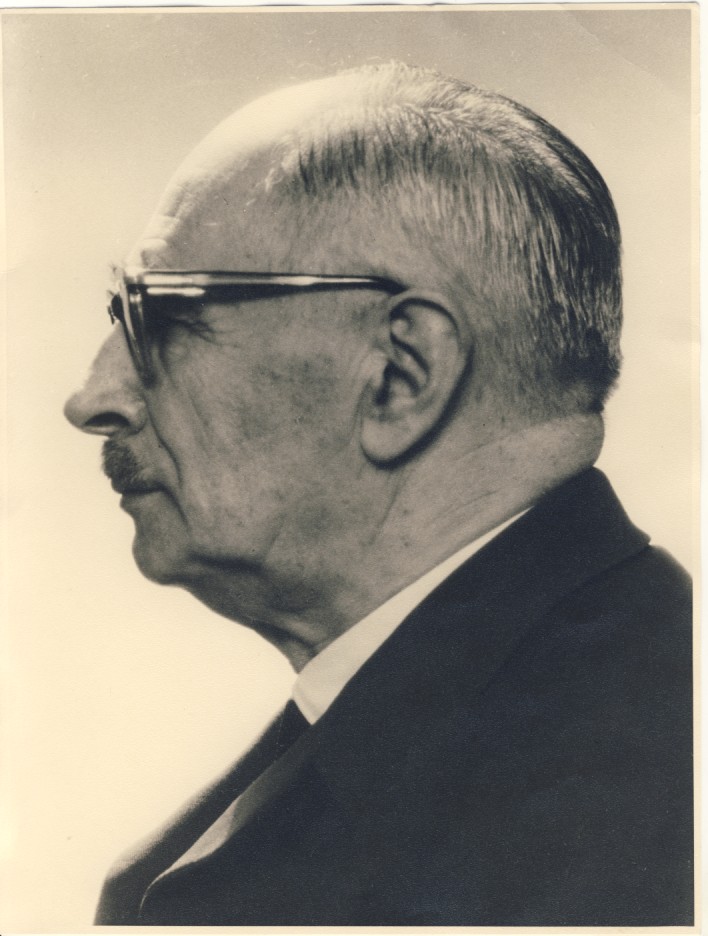




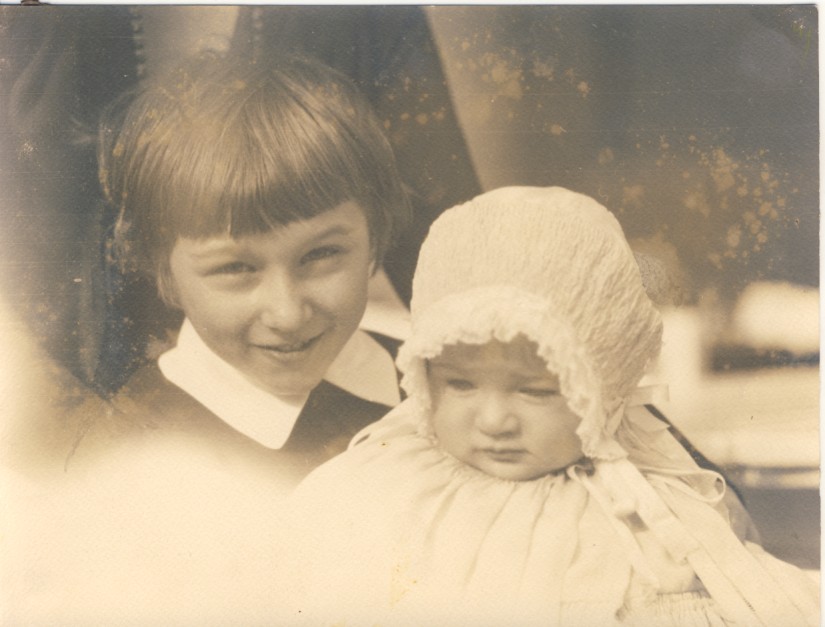
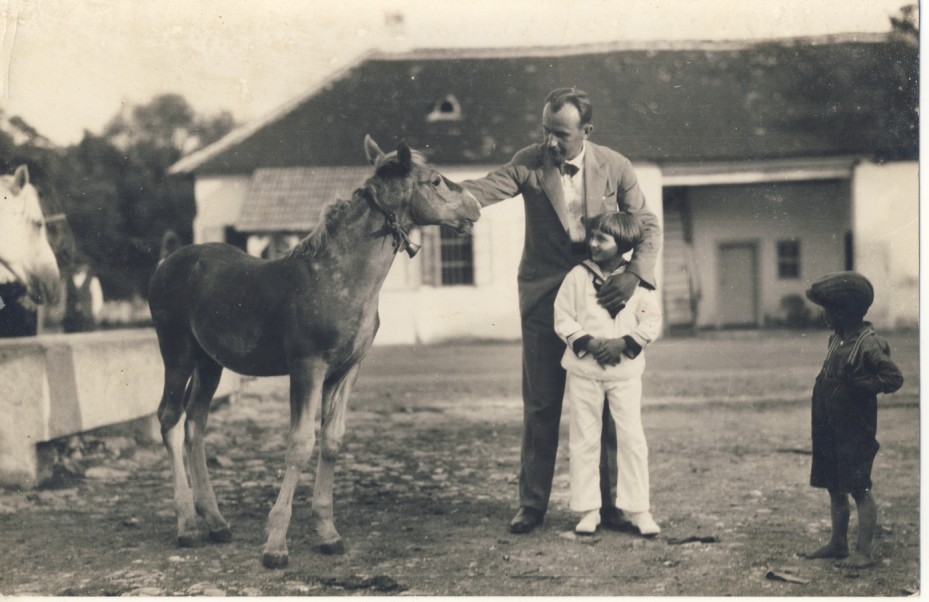


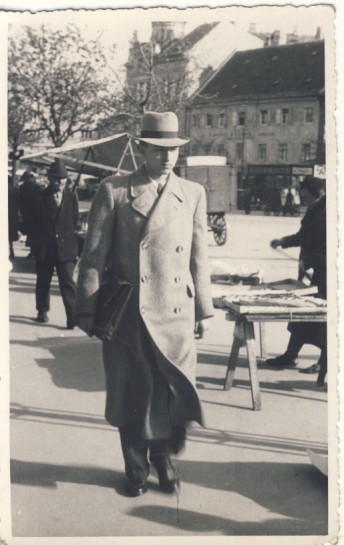

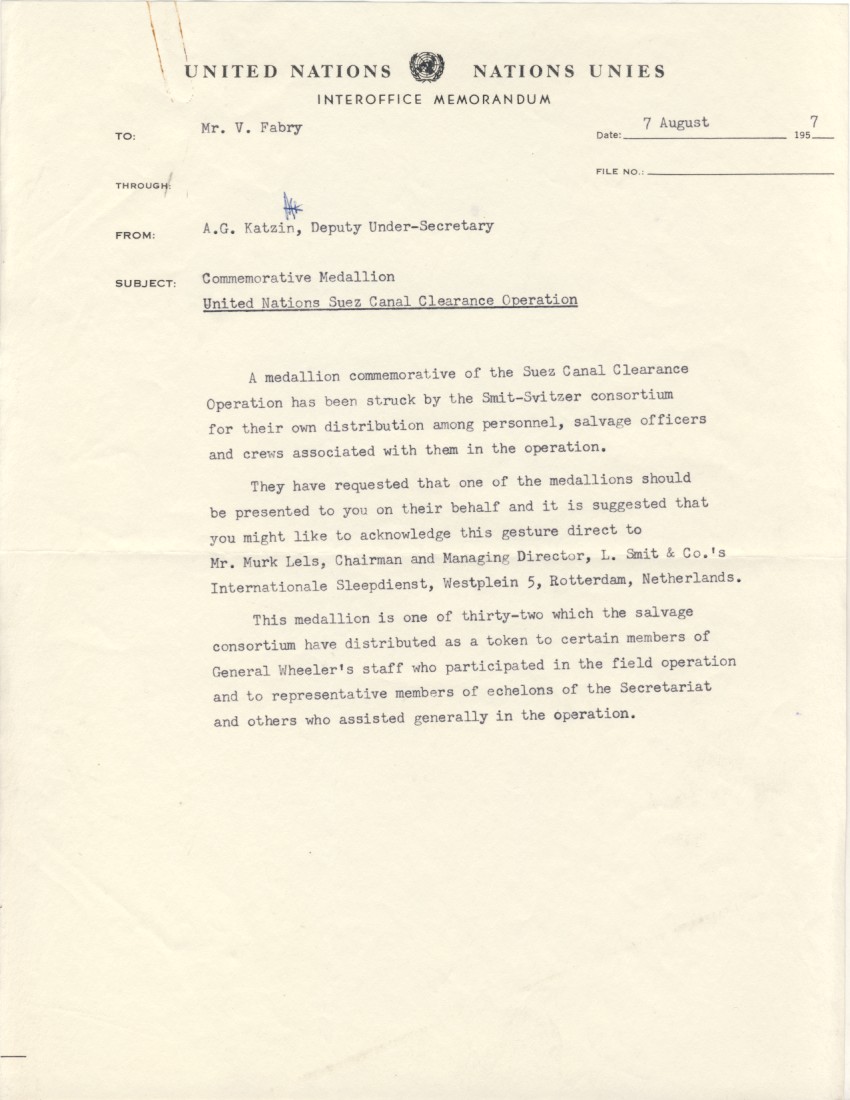

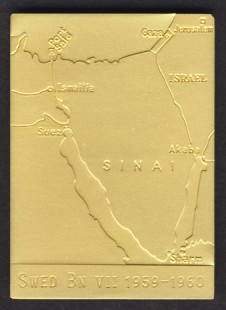
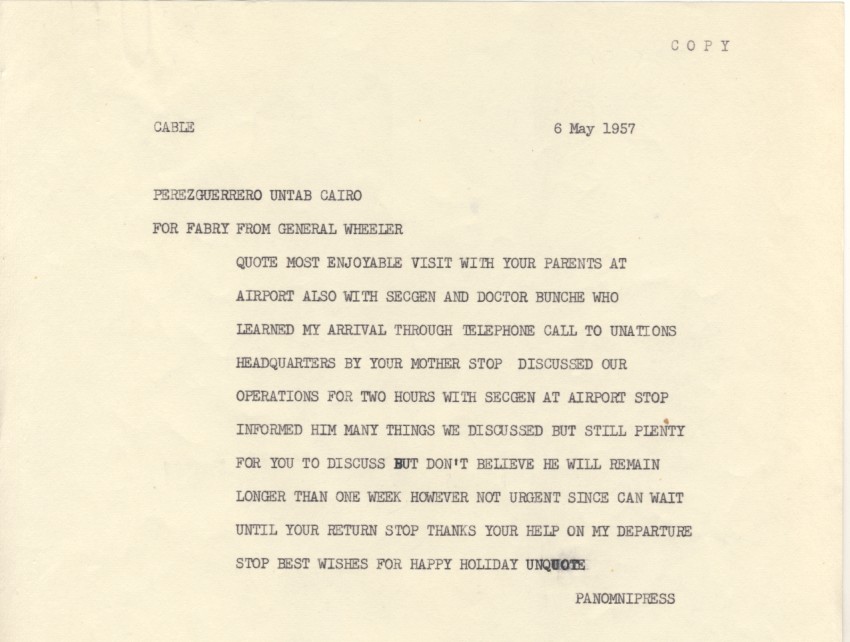
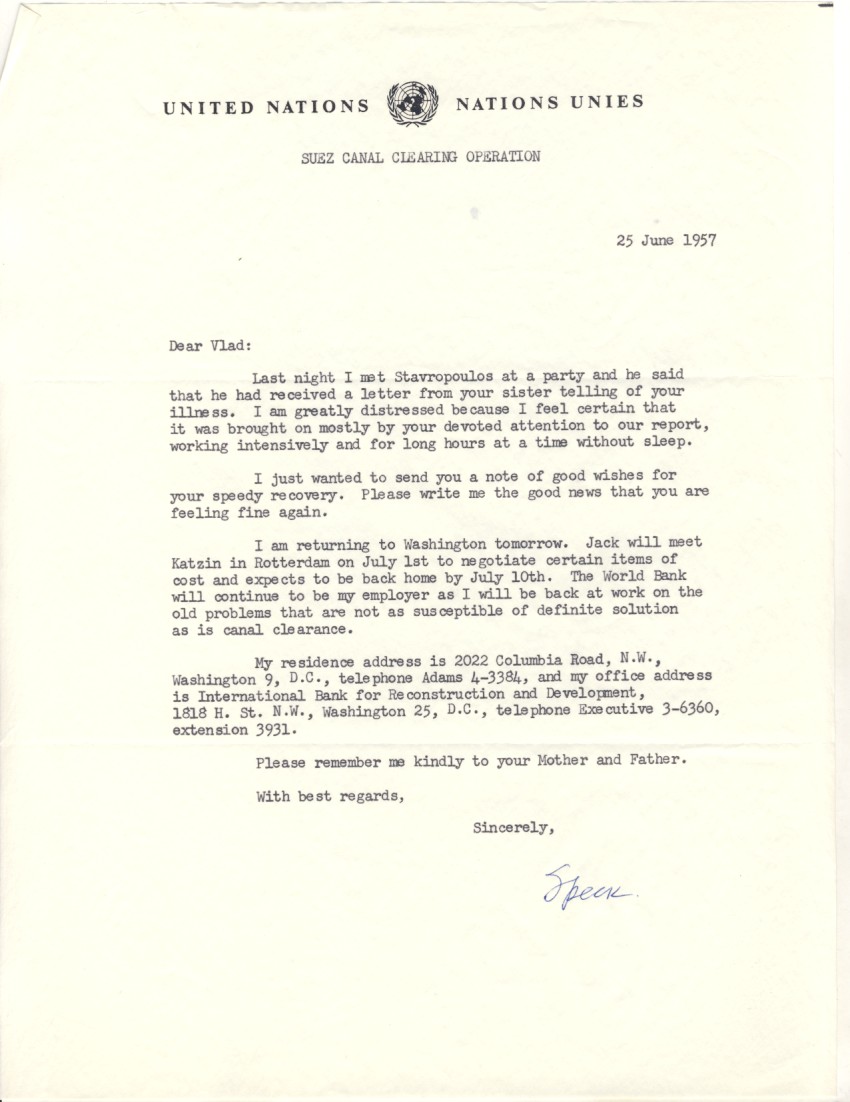
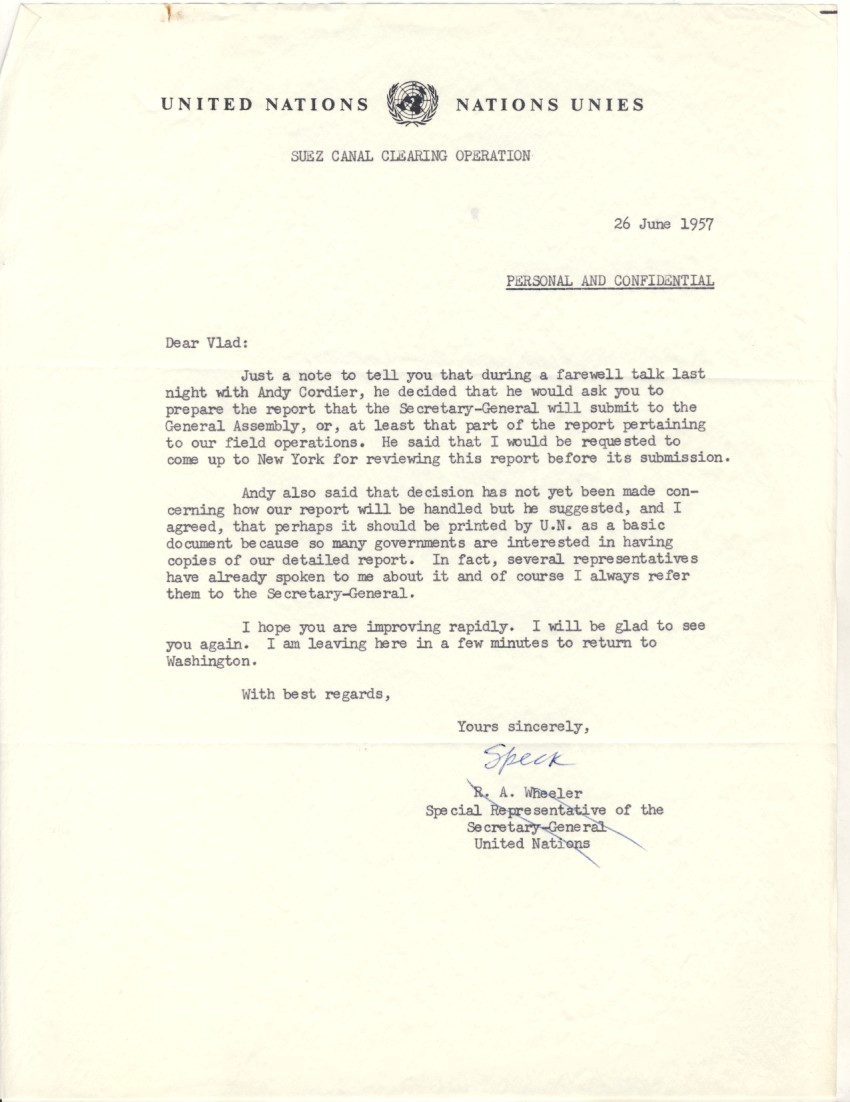

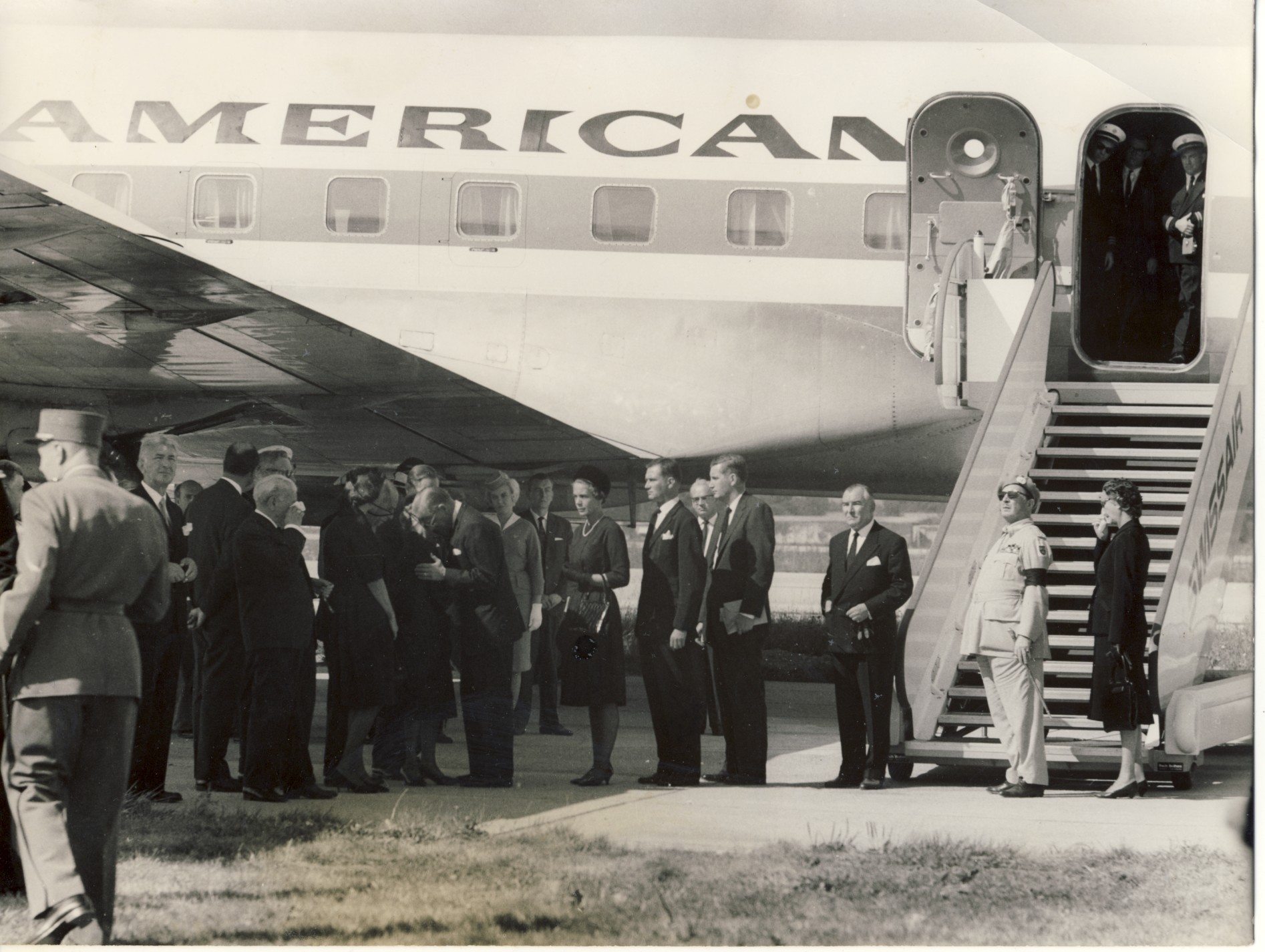
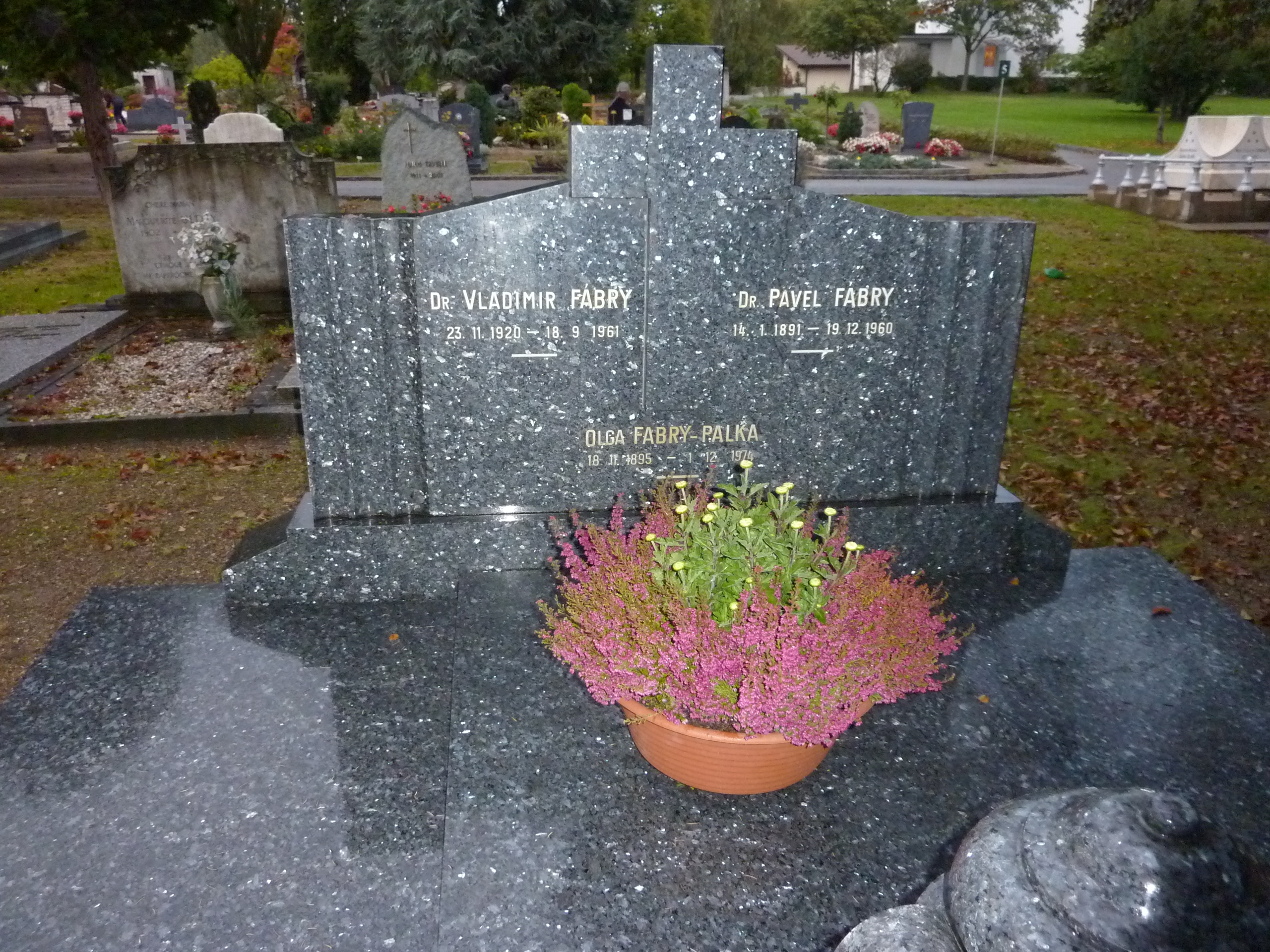

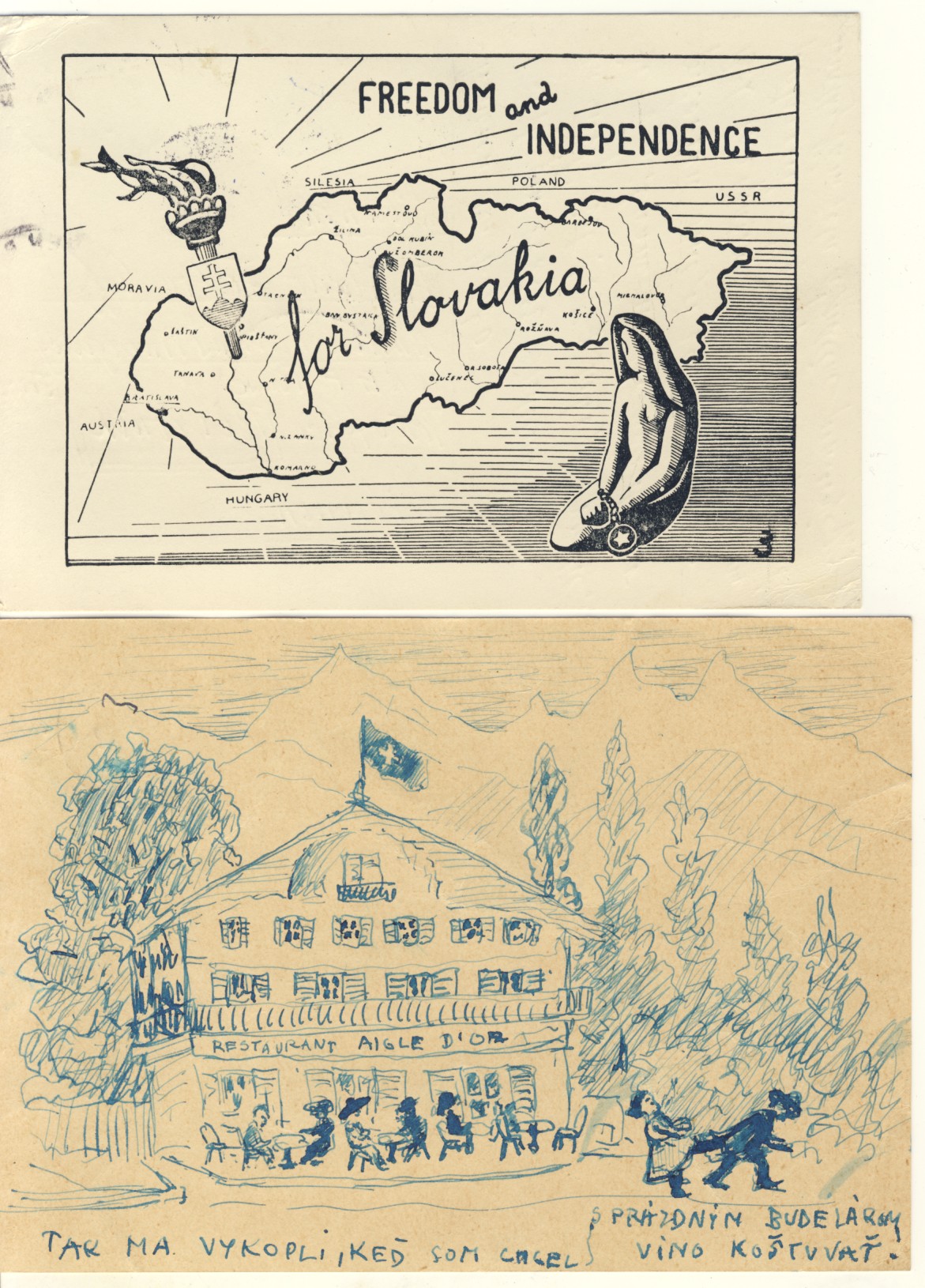


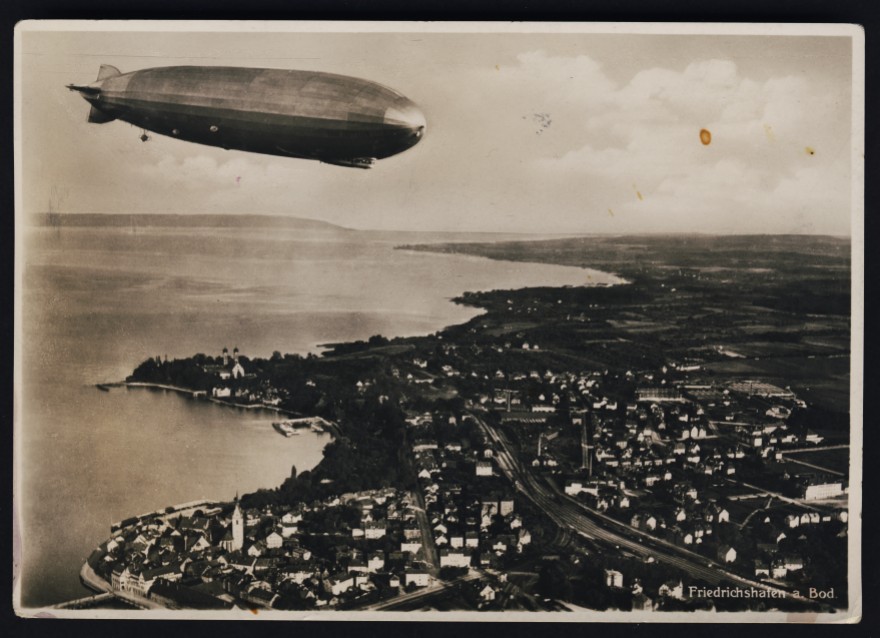

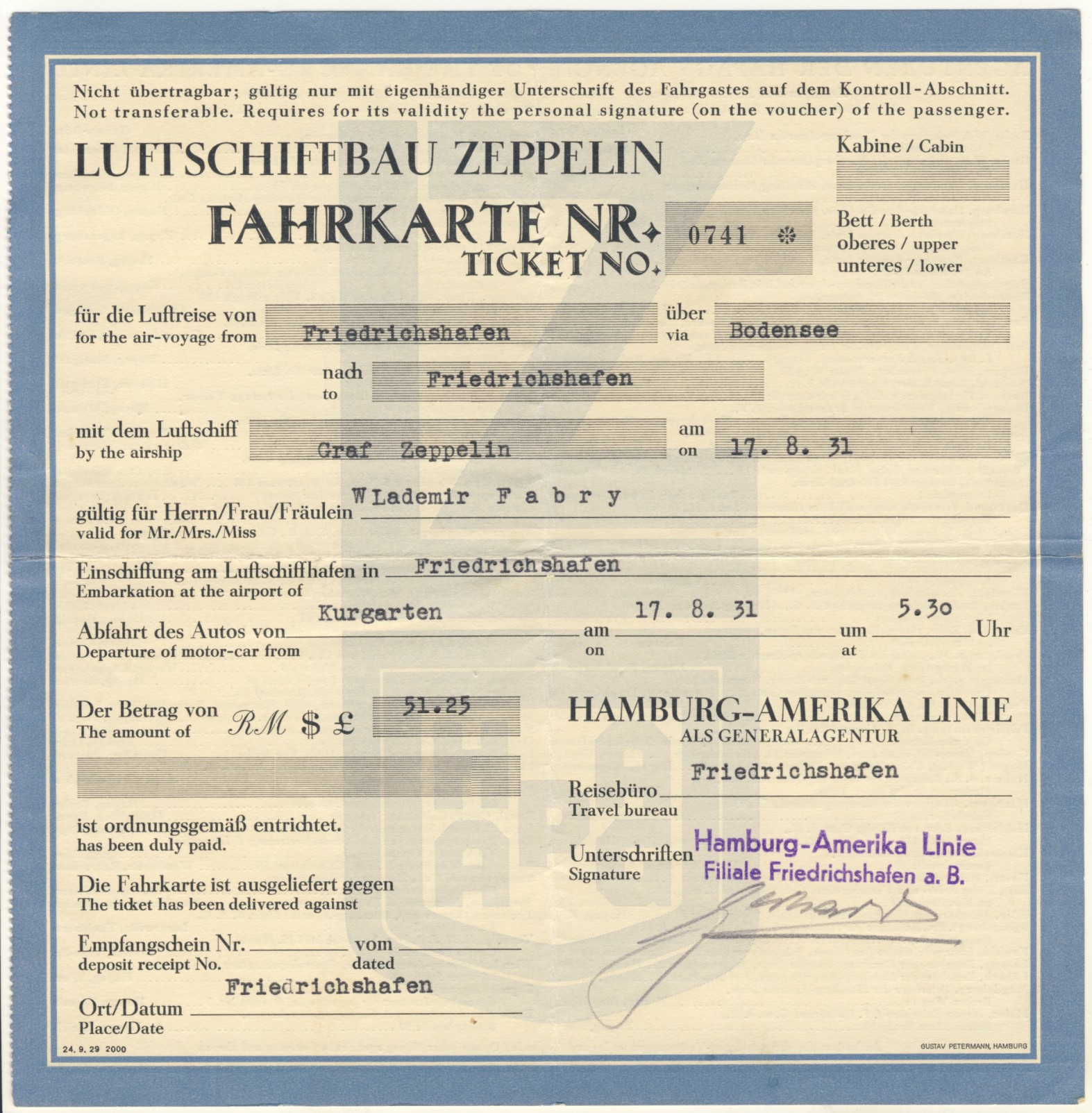


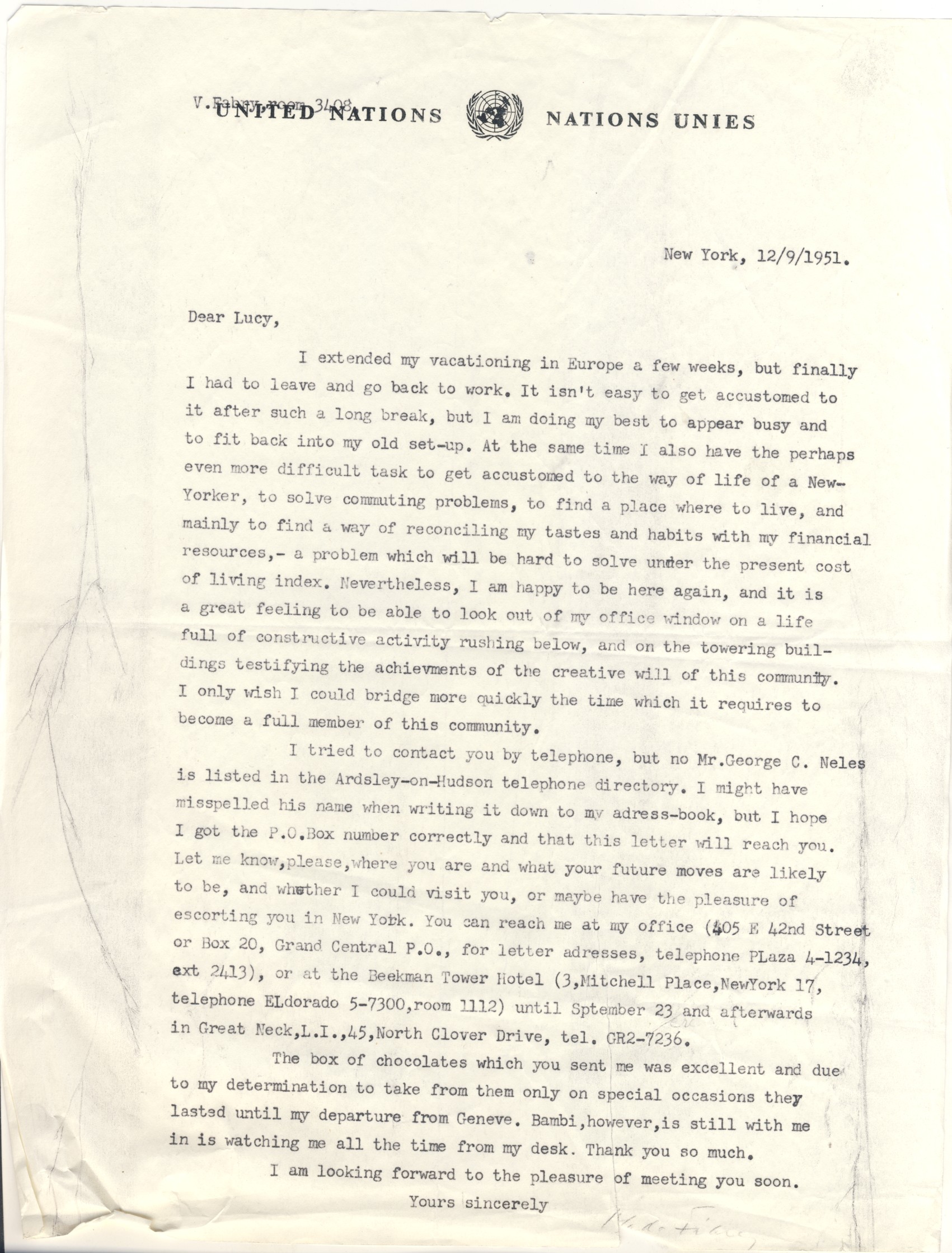
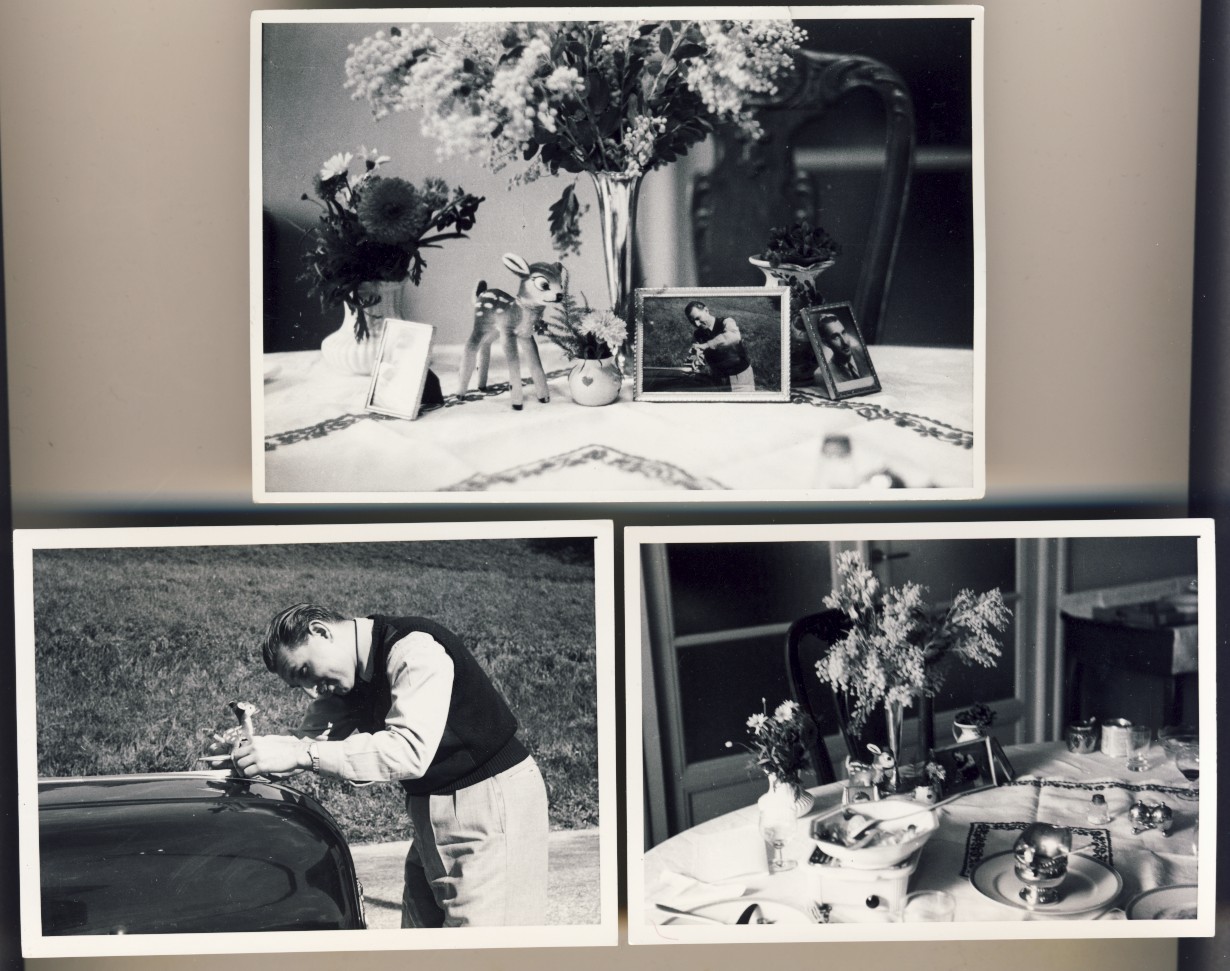
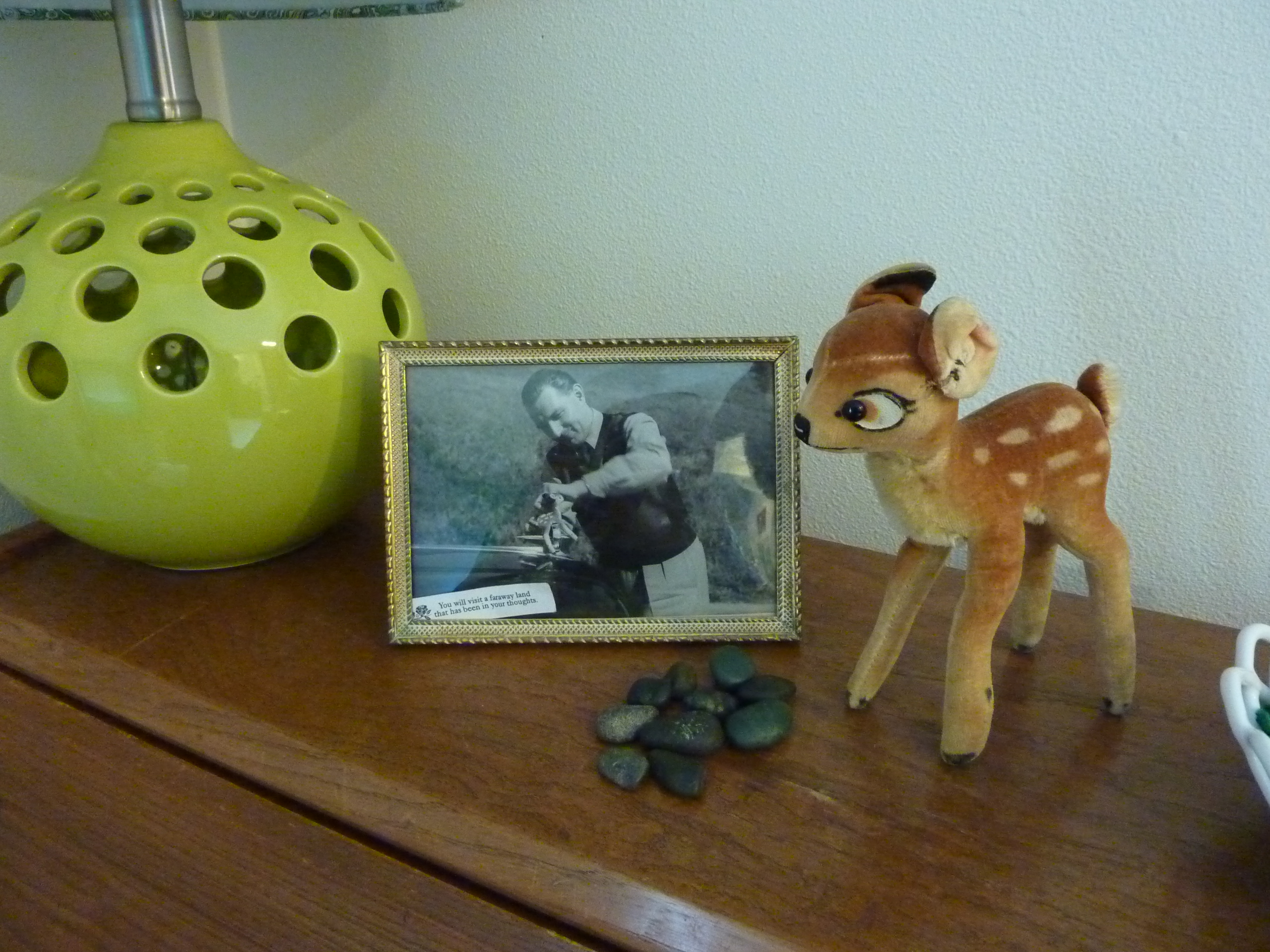
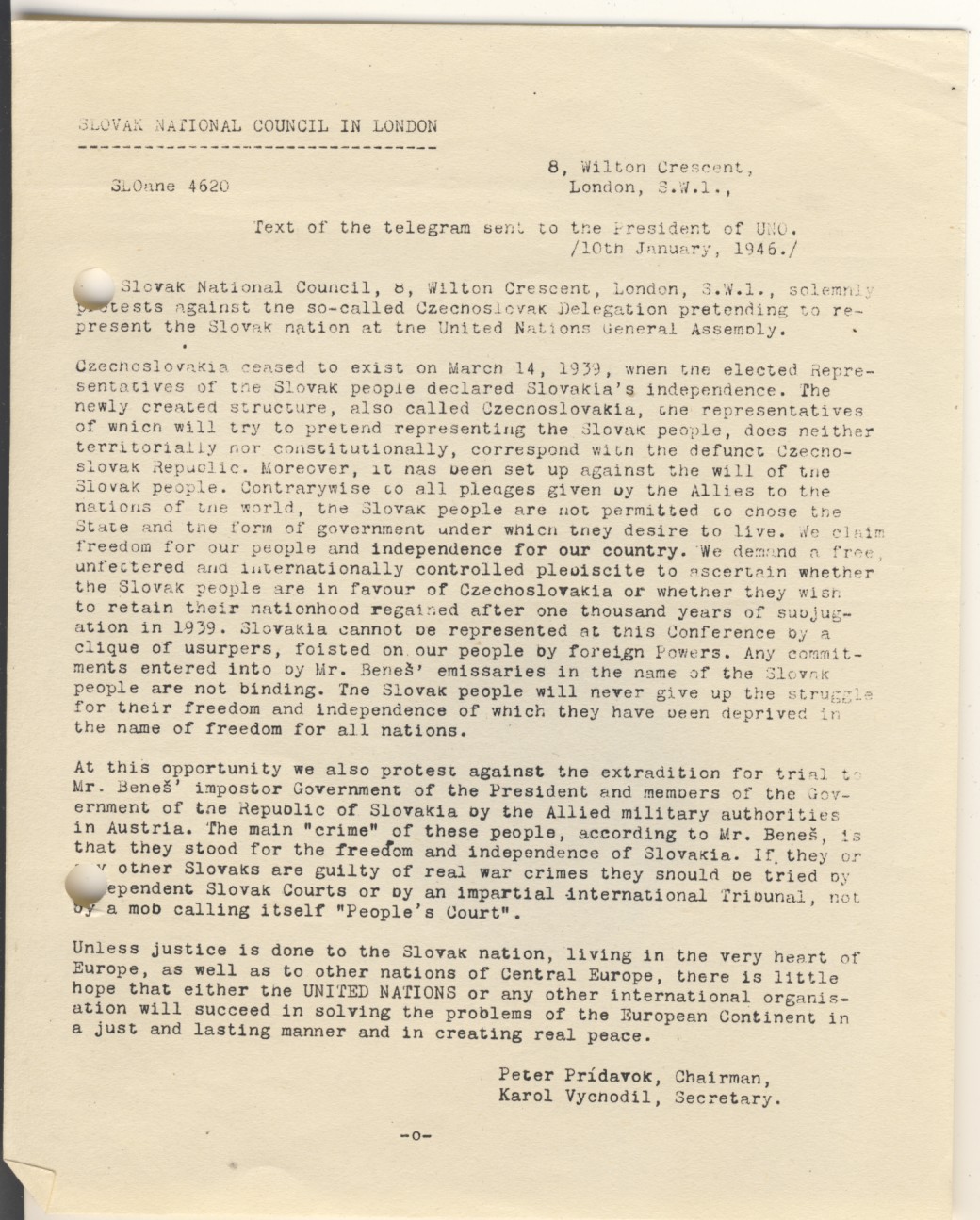
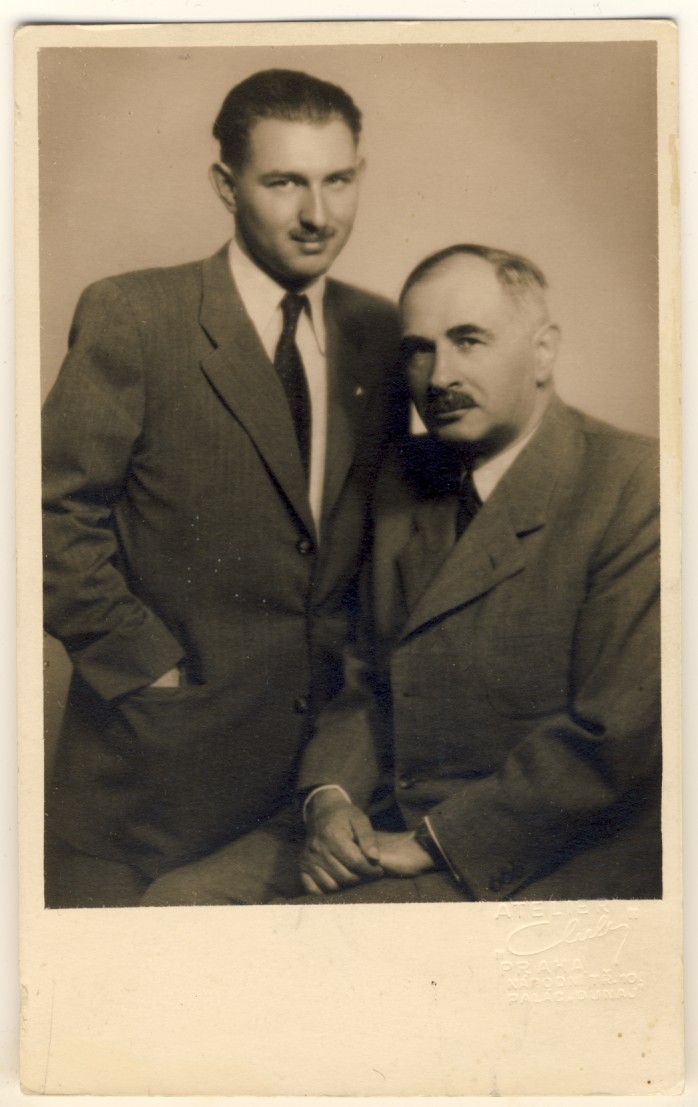
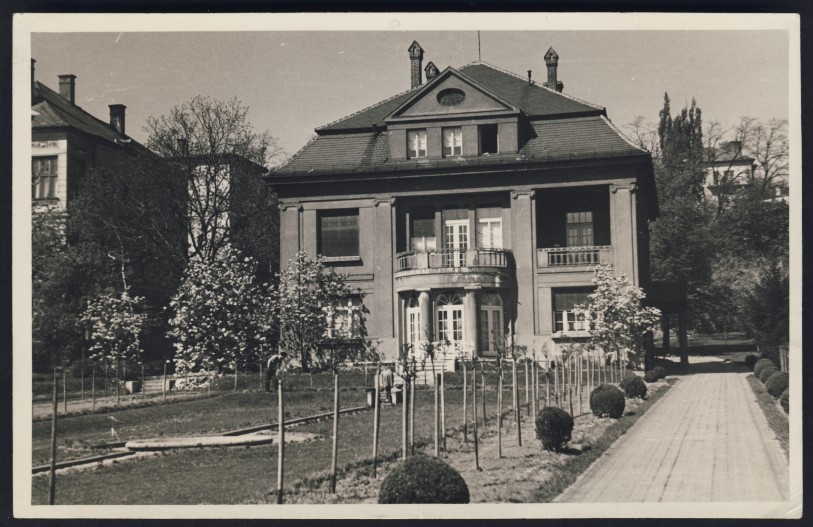
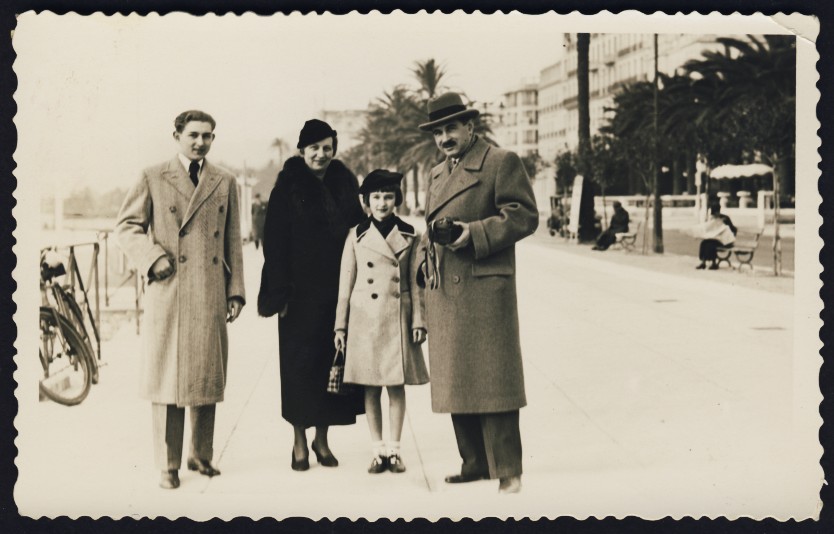
 Vlado
Vlado 